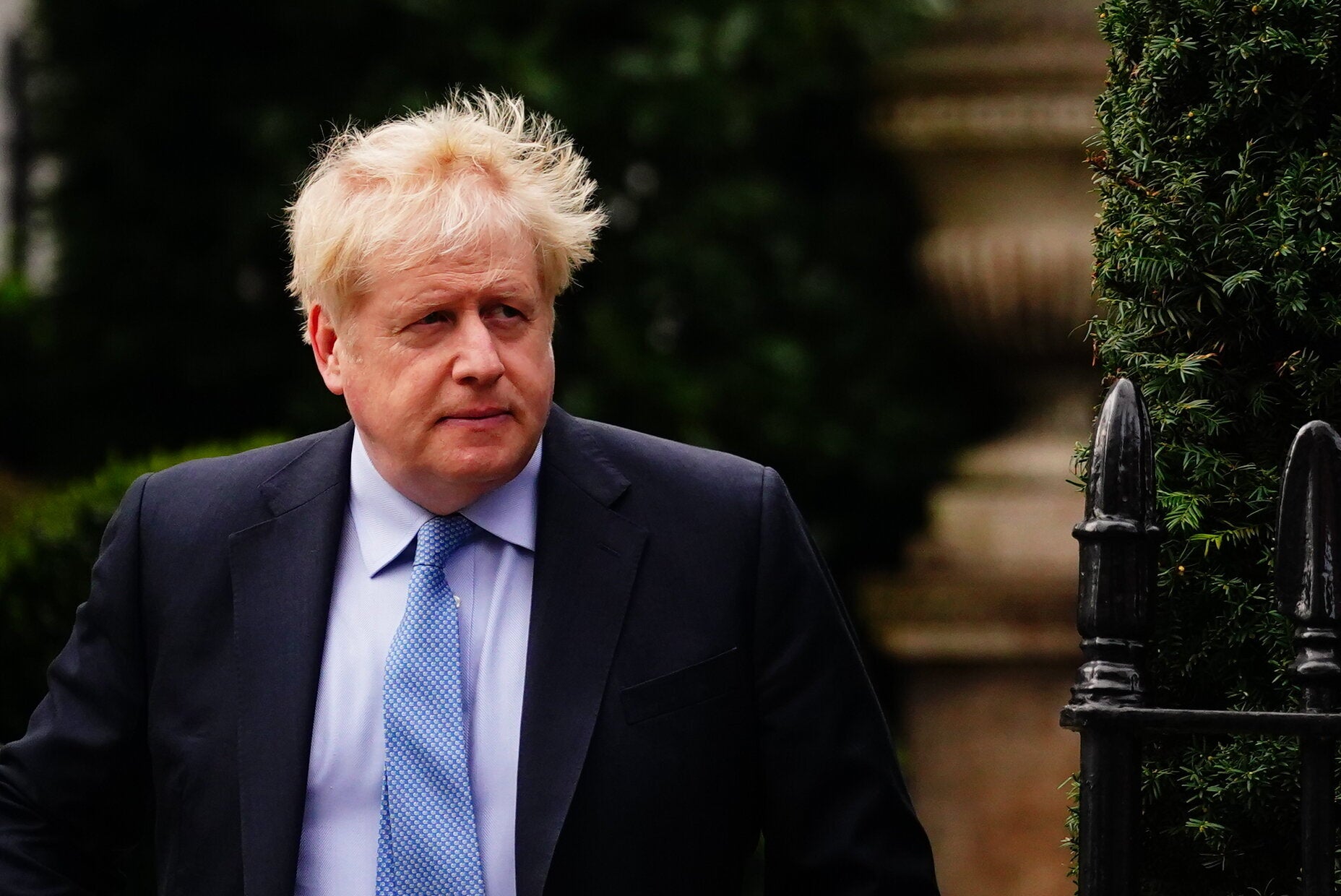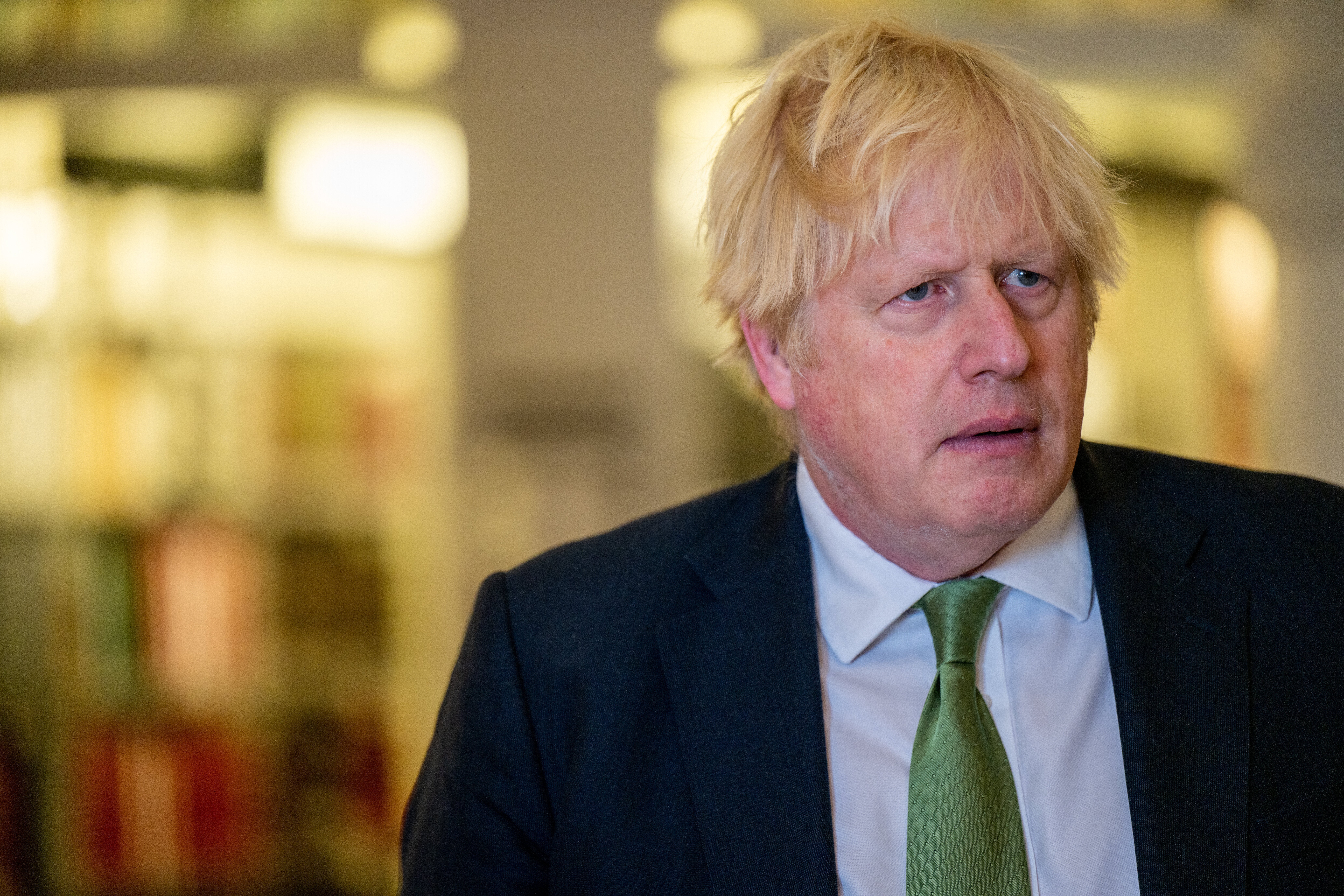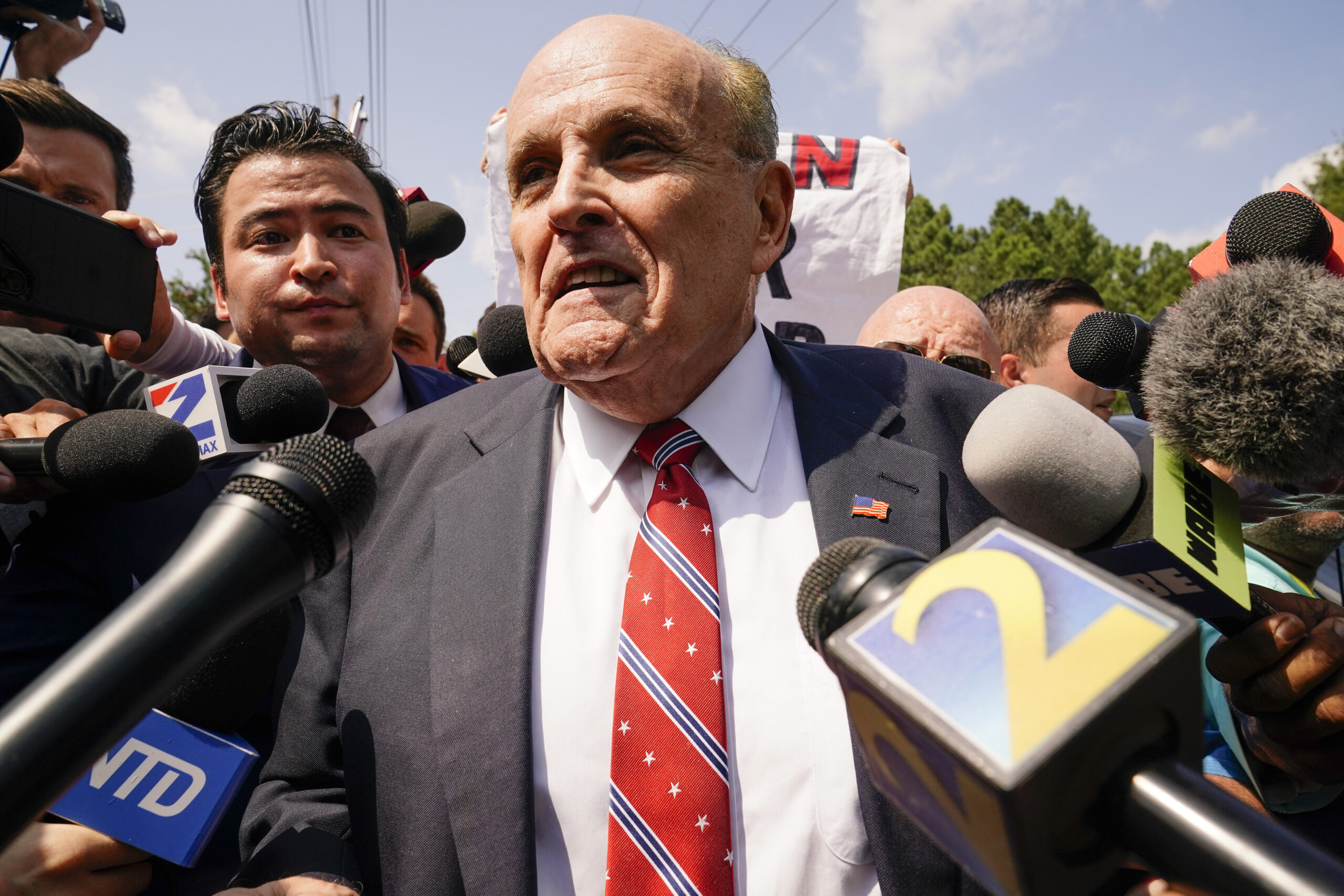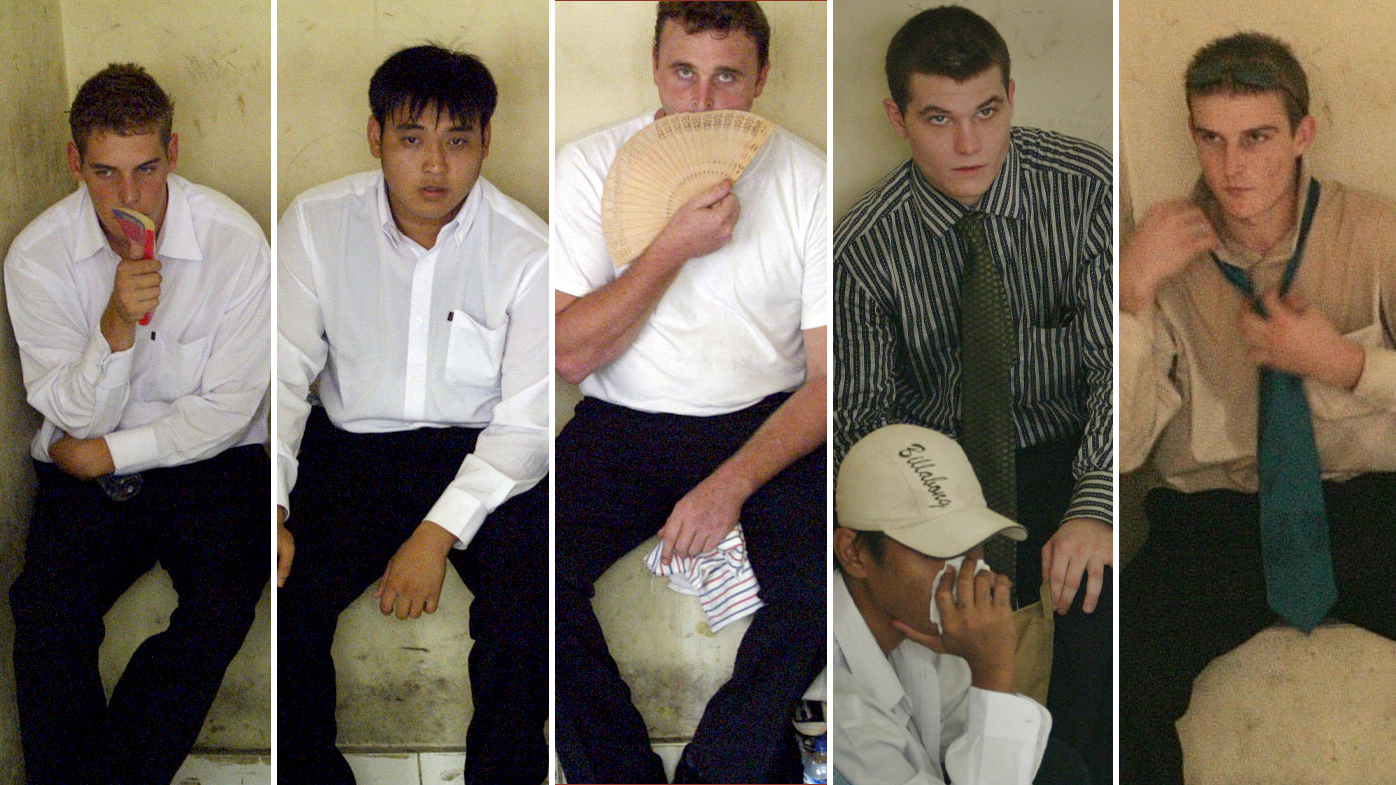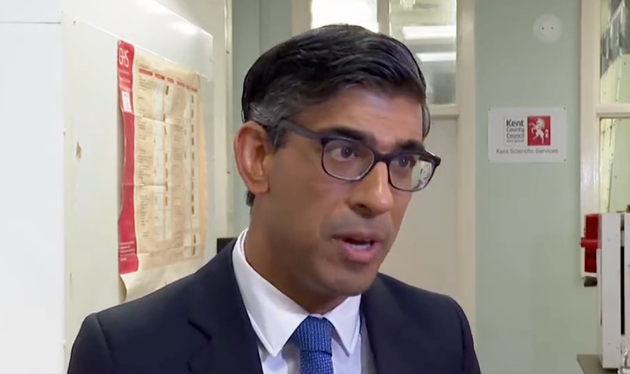
Rishi Sunak kept repeating himself during the 80-second clip.
Rishi Sunak has been rinsed over an excruciating 80-second interview in which he kept repeating himself.
The prime minister was compared unflatteringly to his predecessor Theresa May – who was dubbed the “Maybot” for her awkward public persona.
Sunak was quizzed by Sky News over the controversy surrounding the Covid inquiry’s demands for WhatsApp messages sent by Boris Johnson during the pandemic.
He said: “I think it’s really important that we learn the lessons of Covid and that’s why the inquiry was established and we want to make sure that whatever lessons there are to be learned are learned and that we do that in a spirit of transparency and candour.
“The government has co-operated with the inquiry – tens of thousands of documents have been handed over.
“And with regard to the specific question at the moment, the government’s carefully considering its position, but it’s confident in the approach that it’s taken.”
Asked if the government wanted to get into a legal battle with the inquiry over the withheld messages, the PM said: “We are carefully considering next steps and the government is confident in its position.”
Pressed again, Sunak said: “The government’s handed over tens and tens of thousands of documents in a spirit of candour and transparency because it is important that we learn the lessons of Covid.
“With regard to the particular question at the moment, we’re carefully considering next steps but the government is confident in its position.”
The exasperated interviewer tried once again to get a straight answer out of the prime minister, but falling back on his pre-prepared lines once again, he said: “The government is considering next steps carefully, but has been confident of its position and has handed over tens of thousands of documents today in a spirit of candour and transparency because it’s important that we learn the lessons from Covid and carefully considering next steps.”
Campaign group Best for Britain tweeted: “The skill of a politician is to stick to their answer without looking like a myna bird, rocking on its perch, just mimicking human speech.”
How bad can you look in an 80-second clip. This bad. 👇🏽
The skill of a politician is to stick to their answer without looking like a myna bird, rocking on its perch, just mimicking human speech. ~AA pic.twitter.com/uLmCE5tWoO
<p>The Supreme Court will not decide right now whether Louisiana violated the Constitution when it enacted a congressional map last year that created a second majority-Black district. In a surprise […]</p>
<p>The post <a href="https://www.scotusblog.com/2025/06/supreme-court-punts-decision-on-louisianas-congressional-map-to-next-term/">Supreme Court punts decision on Louisiana’s congressional map to next term</a> appeared first on <a href="https://www.scotusblog.com">SCOTUSblog</a>.</p>
<img src="https://api.follow.it/track-rss-story-loaded/v1/9J3IfYOcRESxuZO4h3Qn-Xn9ye8UNv30" border=0 width="1" height="1" alt="Additional briefing filed in HHS task force case" title="Additional briefing filed in HHS task force case"> <p>U.S. Solicitor General D. John Sauer told the justices on Monday afternoon that Congress has given the Secretary of the Department of Health and Human Services the power to appoint members of the U.S. Preventive Services Task Force, while the lawyer for a group of individuals and small businesses challenging the constitutionality of that group’s structure countered that Congress failed to do so. The arguments came in relatively rare supplemental briefs filed at the justices’ request two weeks after the oral arguments in <em><a href="https://www.scotusblog.com/cases/case-files/becerra-v-braidwood-management-inc/">Kennedy v. Braidwood Management</a></em>. </p> <p>Under the Affordable Care Act, the task force – an independent panel of experts – makes recommendations about which “preventive health services” private insurers and group health plans must cover at no additional cost to the patient. One such recommendation, made in June 2019, was for the HIV prevention medicine pre-exposure prophylaxis, known as PrEP.</p> <span id="more-505677"></span> <p>A group of individuals and small businesses with religious objections to the requirement that insurers and health plans provide coverage for PrEP, which they say promotes gay sex, drug use, and extramarital sex, went to federal court. They contended (among other things) that the task force violates the Constitution’s appointments clause, which requires “principal officers” of the United States to be appointed by the president and confirmed by the Senate. </p> <p>When the lower courts agreed, the Biden administration came to the Supreme Court, which agreed to weigh in. </p> <p>At the oral argument on April 21, several justices appeared sympathetic to the Trump administration, which continued to defend the task force’s structure. The government emphasized that the HHS secretary exercises significant control over the task force – including the power to remove members of the task force at any time. </p> <p>But some justices questioned whether the HHS secretary actually has the power to appoint and remove task force members, leading to an April 26 order directing both the Trump administration and the challengers to file new briefs addressing that power (or the lack thereof). </p> <p>Sauer explained that federal law directs the director of the Agency for Healthcare Research and Quality, a subagency within HHS, to “convene” the task force. Because there is no other law addressing the selection of task force members, he reasoned, Congress “necessarily included that power within the power to convene the” task force. And then two other laws transferred the director’s power to appoint members of the task force to the HHS secretary, he concluded. </p> <p>The Supreme Court’s decision in <em><a href="https://supreme.justia.com/cases/federal/us/73/385/">United States v. Hartwell</a></em> establishes that the power to appoint an “inferior” office is proper as long as Congress gives a department head “the ultimate decision over the appointment,” Sauer contended. Indeed, he suggested, the laws at issue in this case “more clearly” give the appointment power to the department head, who can personally appoint task force members – rather than simply reviewing a subordinate’s choice, as in <em>Hartwell</em>. </p> <p>At a minimum, if it is not clear whether the secretary has the power to appoint task force members, Sauer told the justices, the court should resolve any ambiguities in the government’s favor rather than interpreting the laws in a way that will leave them “clearly unconstitutional.”</p> <p>“Instead of halting the Task Force’s work unless and until Congress enacts a new law,” Sauer stressed, “this Court should sensibly interpret the laws already on the books to vest the appointment of Task Force members in the Secretary.”</p> <p>Representing the challengers, Jonathan Mitchell observed that the law at the center of the court’s request only instructs the AHRQ director to “convene” the task force; it does not say anything about who can appoint the task force members or how. Congress’s use of the word “convene” does not mean “convene and appoint,” he wrote. Congress “is content to leave those decisions to the discretion of the executive branch, in the same way that the statute allows the executive to decide the number of Task Force members and the length of their terms,” Mitchell reasoned. </p> <p>If task force members must be appointed by either the AHRQ director or the HHS secretary, and task force members are “principal officers,” then the law violates the Constitution, because principal officers – which, courts have concluded, the task force members are – must be appointed by the president and confirmed by the Senate, Mitchell said. The justices should thus interpret the law to avoid this potential constitutional problem, Mitchell posited. </p> <p>But in any event, Mitchell continued, on the government’s interpretation the AHRQ director can appoint the task force members “while giving the Secretary nothing more than an option to exercise the Director’s appointment powers given his supervisory role over the Department. That is not enough,” Mitchell concluded, “to ‘vest’ the appointment of the Task Force in the Secretary, because the statute permits the AHRQ Director to appoint Task Force members unilaterally without any secretarial involvement.” </p> <p>A decision in the case is expected by late June or early July. </p>
<p>The post <a href="https://www.scotusblog.com/2025/05/additional-briefing-filed-in-hhs-task-force-case/">Additional briefing filed in HHS task force case</a> appeared first on <a href="https://www.scotusblog.com">SCOTUSblog</a>.</p>