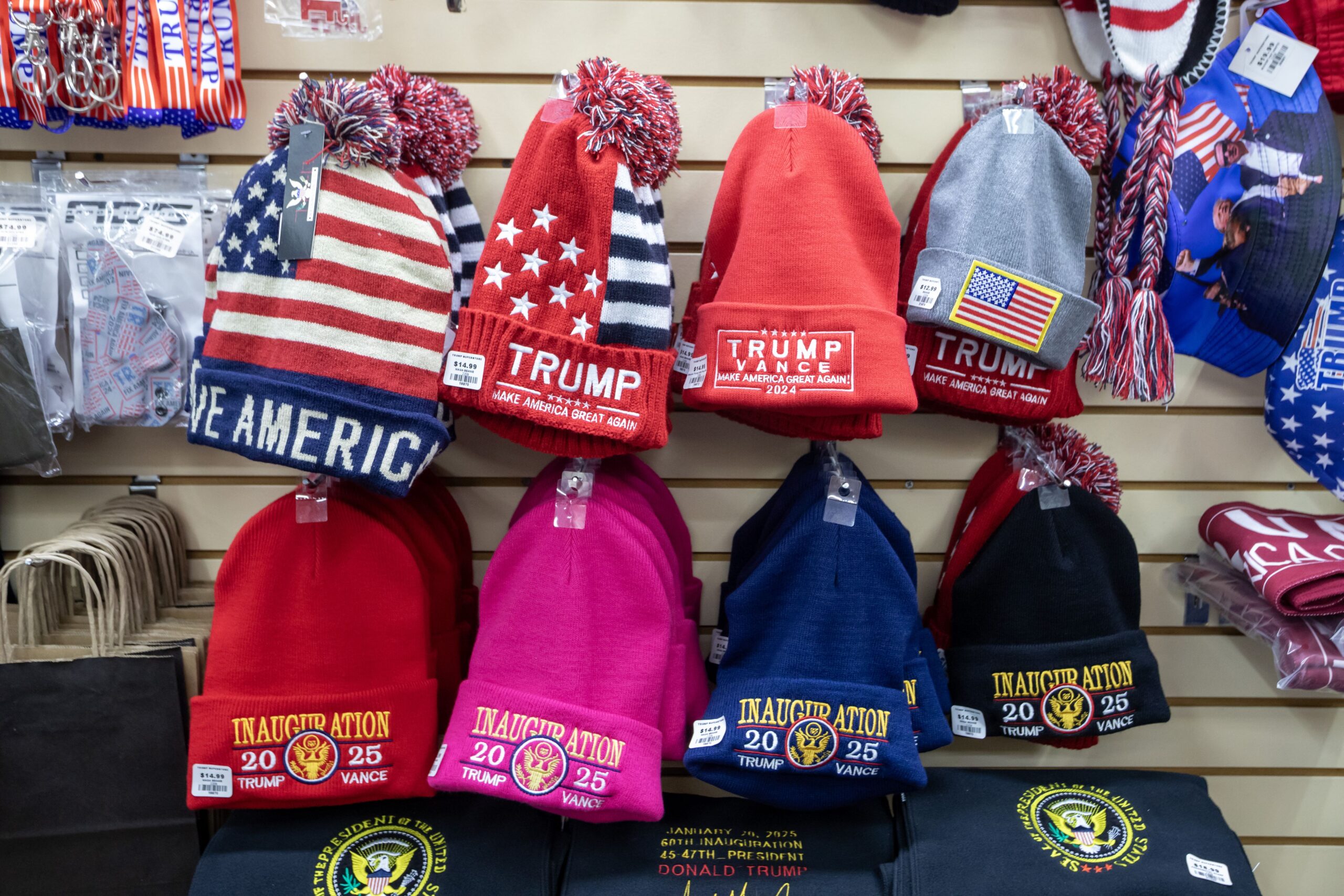


Unauthorized merch promoting Donald Trump — from hats and mugs to signs and T-shirts — is everywhere online. Go to a Trump rally or other MAGA political event and you’re bound to find people hawking their DIY Trump wares.
The Trump Organization apparently isn’t too pleased.
A lawsuit filed last week claims online sellers on platforms like eBay, Amazon, and Walmart are hawking goods that infringe on the Trump Organization’s trademarks.
“Defendants design the online marketplace accounts to appear to be selling genuine TRUMP Products while selling inferior imitations of such products,” the suit, filed in US District Court in Florida, reads.

But The Trump Organization’s lawsuit isn’t your run-of-the-mill trademark case — look at the filing and you won’t find a list of sellers the firm is going after. Instead, there’s a vague stand-in for the defendants: “The individuals, corporations, limited liability companies … identified on Schedule A.”
The Trump Organization is jumping on a relatively recent legal trend that has swamped certain corners of intellectual property law. I wrote about Schedule A cases in a feature published last week on dupes, as well as a Vergecast segment featuring law professor (and Schedule A expert) Sarah Fackrell.
These lawsuits are a way to go after dozens, hundreds, or even upwards of a thousand online storefronts all at once, making it much cheaper for plaintiffs. Schedule A suits are regularly filed under seal, meaning there isn’t the same level of public transparency. At times, plaintiffs have been able to get extraordinary remedies in court, like getting defendants’ assets frozen — including in a case I wrote about where an Amazon seller was unable to withdraw $50,000 in earnings.
These types of lawsuits get their name from the separate “Schedule A” form that’s filed to court — often under seal — listing all the online storefronts being sued.