

Image: Cath Virginia / The Verge, Getty Images
When a Waymo pulls up and parks in front of her home on a residential street in West Los Angeles, 10-year-old Morgan rushes to the window.
“The Waymo is home!” she says, calling to her parents, Lisa Delgin and Zach Tucker.
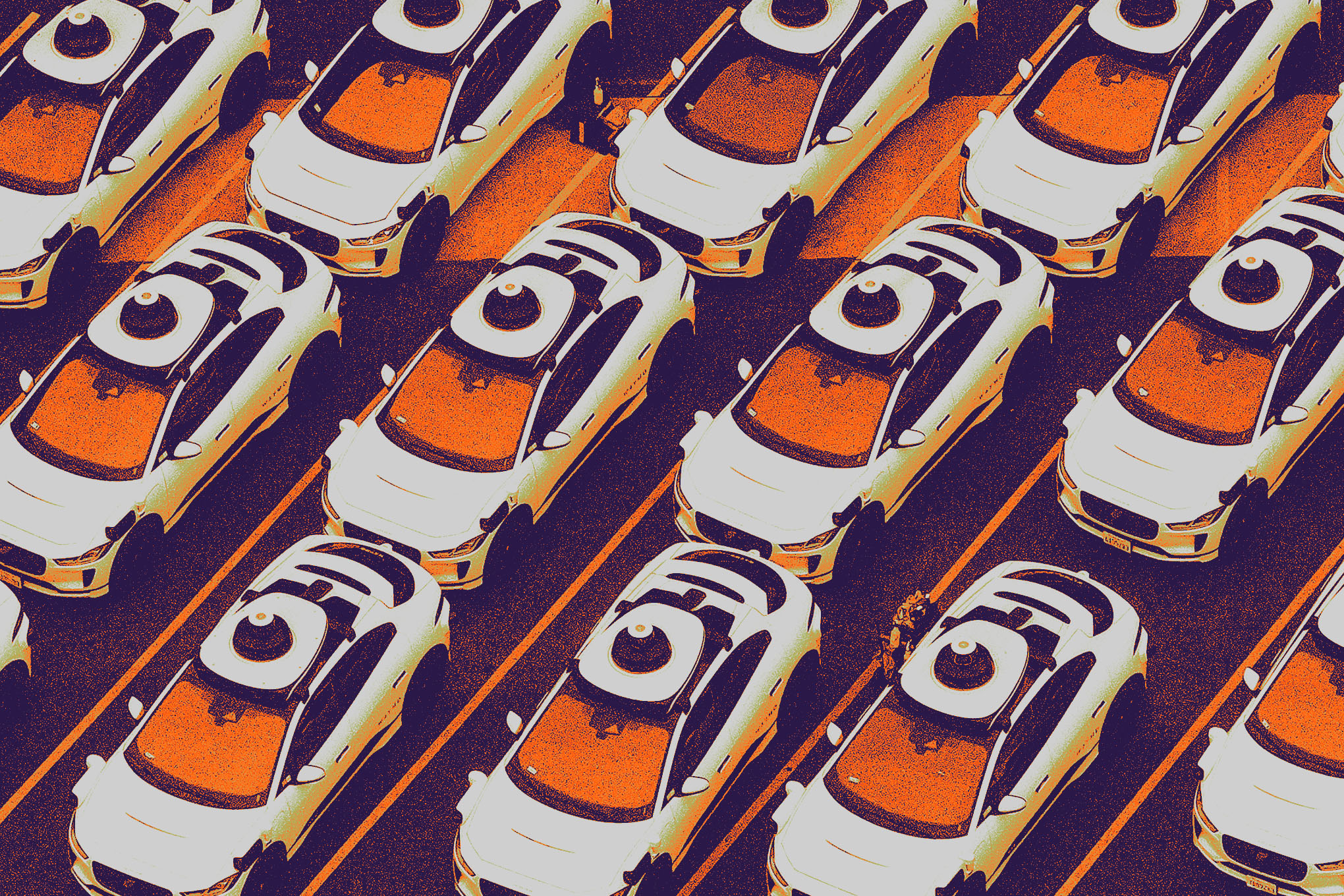
It is by no means the first time a Waymo has come “home” to this particular spot. Last year, a Waymo robotaxi dropped Delgin and Tucker off after a New Year’s Eve party and idled there for several minutes until it took off for the next ride. Since then, Waymos have been parking in that same spot, day after day, sometimes for minutes, sometimes for hours.
“It would always come back here, like a beacon,” Delgin said. “Like it knew there was a spot here that it could take.”
As with Uber rideshares and Bird scooters before them, Waymos are the latest tech transportation innovation to start showing up in people’s lives — and they sometimes cause friction with residents in the cities that become their first markets.
But the AI of it all adds a layer of opacity to these interactions. Confused driverless cars seem to make random stops, their mandatory backup sounds are irritating, and it’s unclear whether they are even beholden to traffic laws, human drivers allege. When it comes to parking in neighborhood spots, some residents are annoyed, and some are unsettled by the always-on cameras and sensors. But most just want to know why their homes or blocks seem to have become unofficial Waymo hubs.
“Of all the blocks…” Delgin wonders.