

The West of England Combined Authority (Weca) regional mayor, Helen Godwin, and council leaders have announced a new ‘vision’ for the future of transport across the region. The vision features an interconnected transport network with seamless journeys across the region, including Bristol, which could see the city getting its very own tram or light rail network.
The West is currently the biggest city-region in the country without mass transit services or a commitment to building them. Mass transit services operate at high frequencies along dedicated routes, meaning reliable journeys, whether on a tram, light rail, guided bus, or another form of transport.
In her foreword to the new Transport Vision, the Mayor confirmed a shared determination from the region’s political leaders to deliver the work needed to be able to start building mass transit within four or five years. The report also contains the first potential concepts of mass transit for the West, picturing Redcliffe Way and Bristol Airport, which is currently the country’s only regional airport without a fixed mass transit link.
How Bristol lost its trams and buses became the popular choice
Founded in 1875 by Cotham local Sir George White, the Bristol Tramways Company initially utilised horse-drawn vehicles before transitioning to electric power in 1895. At its height in the early 1900s, the network spanned 17 routes with 200 trams.
However, the rise of more comfortable bus services meant the system’s popularity started to fade. After a wartime bombing severed the main power lines, the tram network was officially scrapped and replaced by the Bristol Omnibus Company.
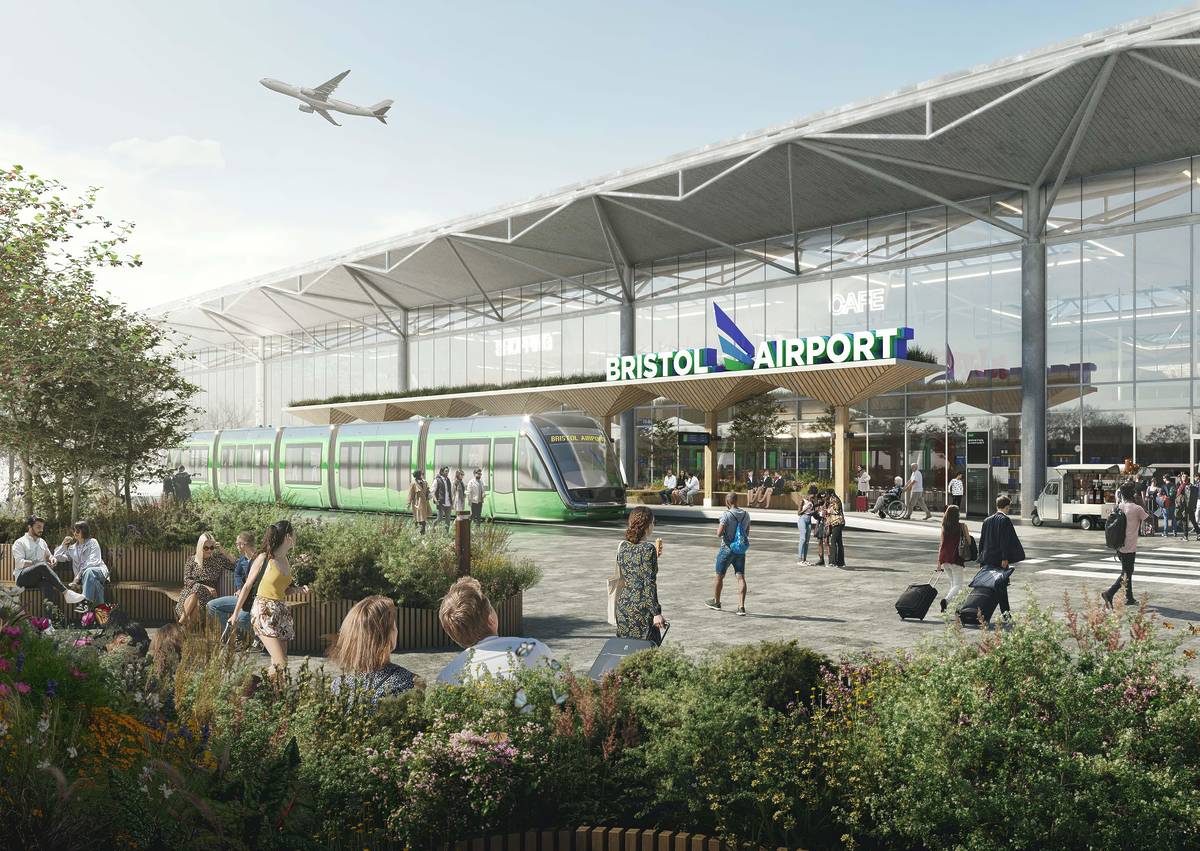
The Transport Vision for the West of England region
The Transport Vision sets out the direction of travel for a better-connected West of England, which includes:
- Better buses: reliable, affordable services with one ticket and one timetable
- More trains: new stations and more frequent services with low-emission trains
- Mass transit: a high-capacity system that links our key economic centres
- Active travel: better walking and cycling routes, with e-bikes/e-scooters there for short trips
- Improved streets: smoother roads and pavements, more electric vehicle chargers, Park & Rides and travel hubs linking transport options
This ambitious plan will mean different things in different places, from rural bus services to major transport interchanges, with easy connections between these options.
“We need a transport system that people can trust, wherever they live.”
Helen Godwin, Mayor of the West of England, said: “Nobody wants to sit stuck in traffic or hang around for a bus that never turns up. Our record transport investment secured from government must make a real difference that people across the West can see and feel. We can start to give people their time back: to be home sooner, get out into nature more, or visit the many attractions that make our part of the world so special.
“We need a transport system that people can trust, wherever they live. Together, we can and must deliver the integrated transport system that people need and deserve. As we lay the foundations with existing transport projects, and step things up a gear for better buses, more trains, and mass transit plans, we will seek our fair share of further funding to really get the West moving.”
When will the West of England’s transport transformation begin?
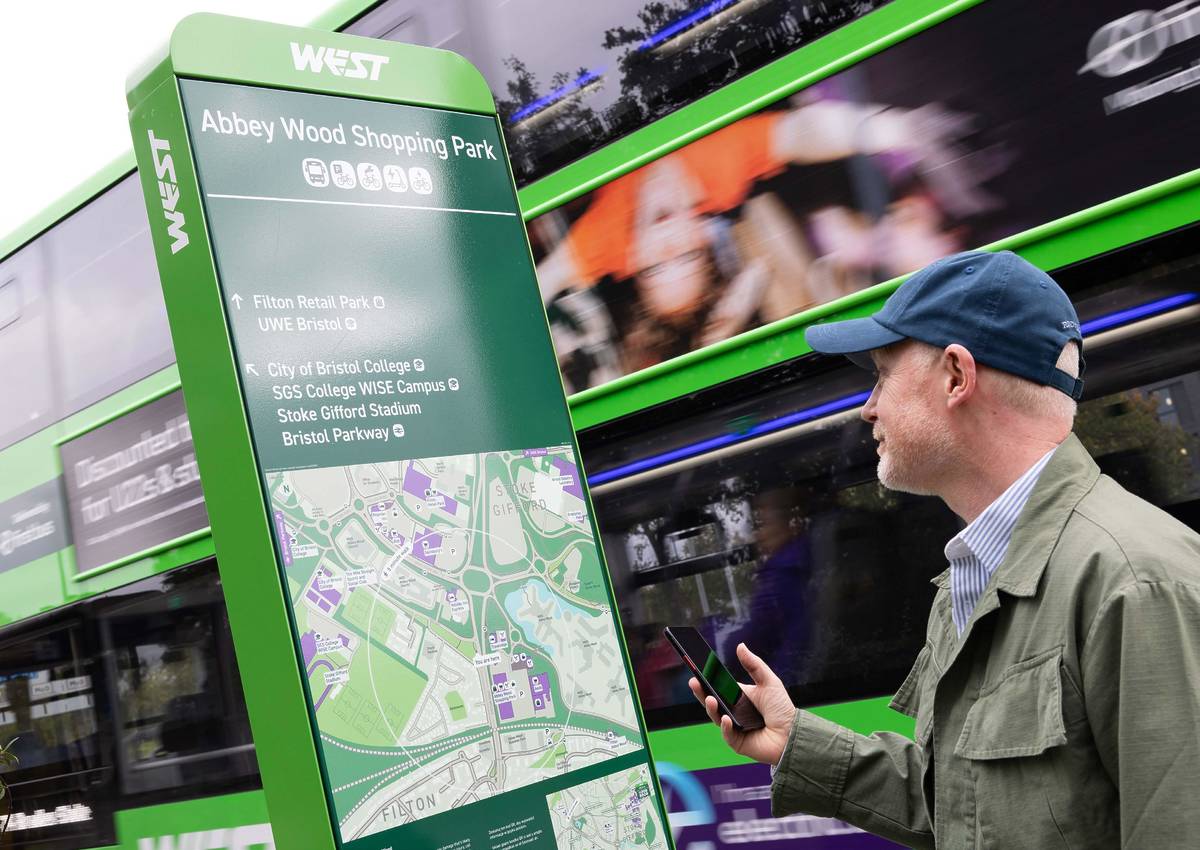
Over 250 new green buses will be on the West’s streets by the end of the year, with more train stations being built, and £752 million secured for better buses, more trains, and mass transit plans. The report from Weca also includes a target to double the number of school streets by 2028, making pick-up and drop-off times safer for families, adding to the £70 million already committed to improve walking, wheeling, and cycling routes across the region. In December, a further £12 million was secured from Active Travel England for the West of England when the national body upgraded the combined authority’s rating to be the same as those of larger such bodies.
The report assesses the progress made over the past 20 years in regions in Europe which are a similar size to the West of England, including Toulouse in France and Malmö in Sweden. Investment in rail, buses, and trams/metros in these cities has coincided with even stronger economic growth than in this part of the world.
The document also sets out the importance of building new homes near transport links – something which the regional authority and local councils are already looking to deliver through the reopening of the Portishead Line and new stations being built on the Henbury Line, as well as through work towards a new Spatial Development Strategy.
The post Bristol is part of the biggest city-region in the country without mass transit services – now a £752 million investment could bring back its iconic tram system after 80 years appeared first on Secret Bristol.
