
Avid sunset-seekers, listen up. The skies across Bristol are set to be illuminated with a rather dramatic display tonight and tomorrow due to a huge plume of Saharan dust that’s currently making its way towards the UK.
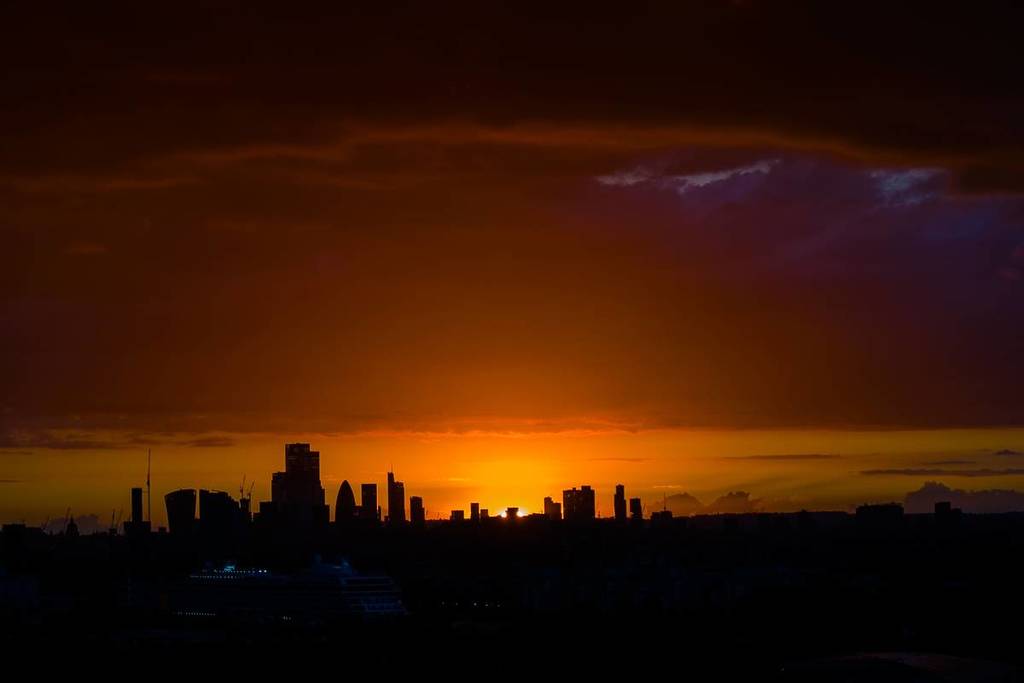
The Met Office has confirmed that this Saharan dust (which is made up of super fine sand particles from the north African desert) is currently drifting northwards across Europe, and tonight this dust could transform Bristol’s sunset into a striking spectacle of gold, red, and amber. The particles are so fine that they can actually stay in the air for days on end, so Bristol could be treated to some fairly breathtaking sunrises and sunsets over the next few days.
The well-travelled dust is known to create pretty remarkable sunsets due to the way it scatters the sunlight and enhances colours. But when mixed with rainfall or moisture in the air, it can also bring with it what is known as ‘blood rain’.
Now, don’t panic, blood rain is nowhere near as terrifying as it sounds. Blood rain is the name that’s given to the dusty rain that can sometimes leave a (pretty annoying) rust-coloured deposit on surfaces like cars and windows after. It’s rare for the dust concentration in the air to be high enough for the actual rain itself to appear red, but you never know.
Jim Dale, a senior meteorological observer at British Weather Services, said: “Blood rain is a dramatic title. There is no blood involved at all, it is the colour.
“Saharan dust is very fine sand particles off the Sahara desert, which get lifted by the win. The dust of the sand comes down, joins with raindrops, and it leaves a film of sand or dust that is red/brown coloured on surfaces such as cars.”
The sun is due to set in Bristol tonight at 5.58pm, so the colours are expected to look their brightest and most breathtaking from around 5.15pm. So, keep those eyes peeled, Bristolians.
The post The skies in Bristol are set to turn a dramatic shade of ‘blood red’ tonight as a huge plume of Saharan dust sweeps across the UK appeared first on Secret Bristol.