

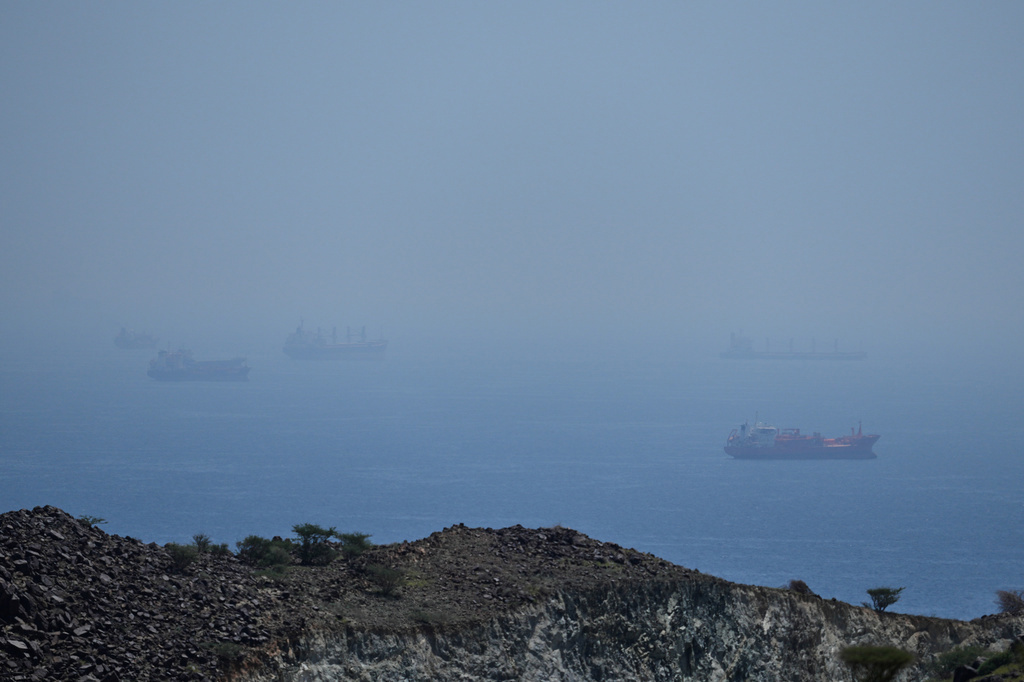
Iran fired on three ships in the Strait of Hormuz on Wednesday, intensifying its assault on shipping in the waterway crucial to global energy supplies and complicating already faltering efforts to bring the United States and Iran together for talks to end the war.
The attacks were carried out by the paramilitary Revolutionary Guard, according to Iranian media, which reported that the force seized two of the ships and was bringing them to Iran.
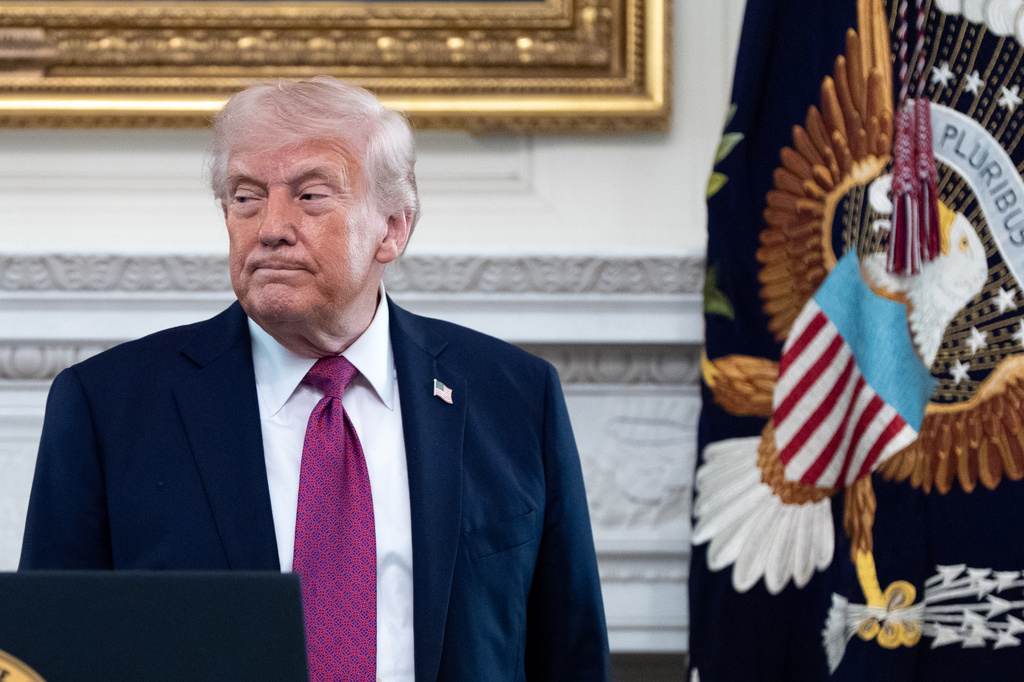
That amounted to an escalation by Iran's leaders, who appear poised to drive a harder bargain with American negotiators after President Donald Trump said the US would indefinitely extend the ceasefire with Iran that had been due to expire on Wednesday.
AS IT HAPPENED: Ballistic missile paraded through Iranian streets
Despite the extension, Trump also seemed to dig in, saying the US would continue to blockade Iranian ports.
That set the stage for continued disruption to traffic in the strait, through which 20 per cent of the world's oil and natural gas pass in peacetime, even if the ceasefire largely holds.
Already the conflict has sent gas prices skyrocketing far beyond the region and raised the cost of food and a wide array of other products.
The longer the strait remains closed, the more severe and widespread the effects will be – and the longer it will take the economy to bounce back.
Three ships come under attack in the Strait of Hormuz
Iran opened fire on a container ship in the strait on Wednesday morning, and a second was attacked a short time later, according to the British military's United Kingdom Maritime Trade Operations Centre.
Iranian state television later reported that the ships were both attacked by the Revolutionary Guard and were in the force's custody and being taken to Iran.
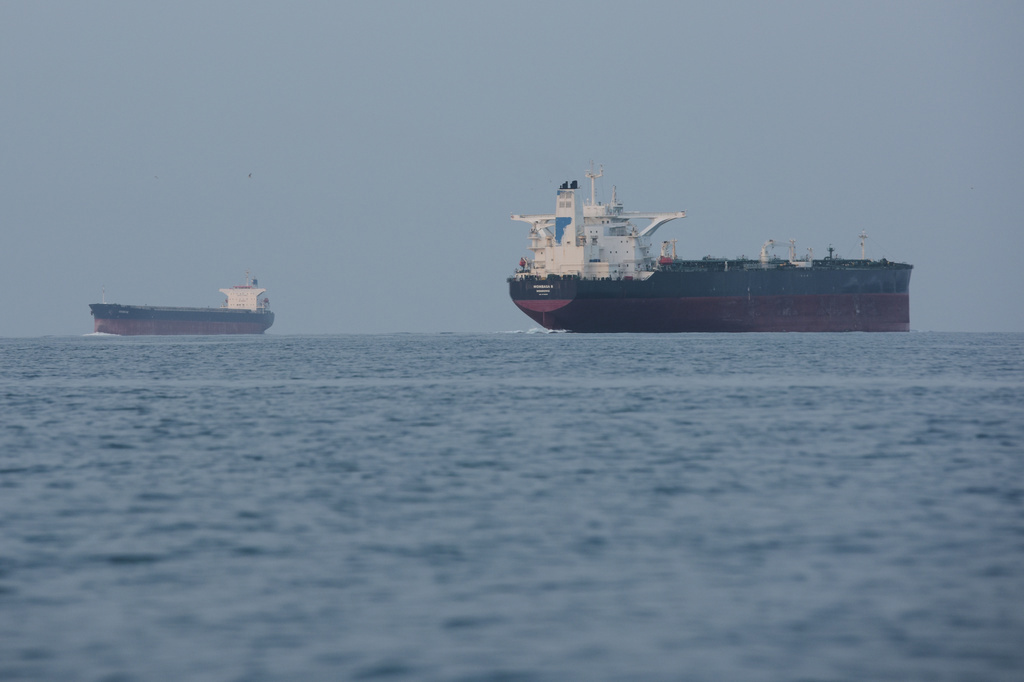
The semi-official Nour News, Fars and Mehr news agencies then reported the Guard attacked a third vessel, which it said had become "stranded" on the Iranian coast, without elaborating.
There have been more than 30 attacks on ships in the Mideast since the war began February 28 with US and Israeli airstrikes on Iran.
It's not clear when talks will restart
Iran's ability to restrict traffic through the strait – which leads from the Persian Gulf to the open ocean – has proved a major strategic advantage.
While the ceasefire means that American and Israeli airstrikes have stopped in Iran – and Tehran's missiles no longer target Israel and the wider Middle East – the attacks in the strait and earlier American interdictions of Iranian ships show the maritime threat remains.
Without any diplomatic agreement, those attacks will likely deter ships from even attempting to pass through the waterway, and further squeeze global energy supplies. Wednesday's attacks saw Brent crude oil, the international standard, spike to nearly $US100 ($140) a barrel, up more than 35 per cent since the war started.
As the assaults unfolded, Iran's Revolutionary Guard vowed to "deliver crushing blows beyond the enemy's imagination to its remaining assets in the region".
The night before, hard-line supporters of Iran's theocracy held rallies in which the Guard showed off missiles and launchers – a sign of defiance to Israel and the US, which devoted much of their airstrike campaign to destroying the county's ballistic missile arsenal.
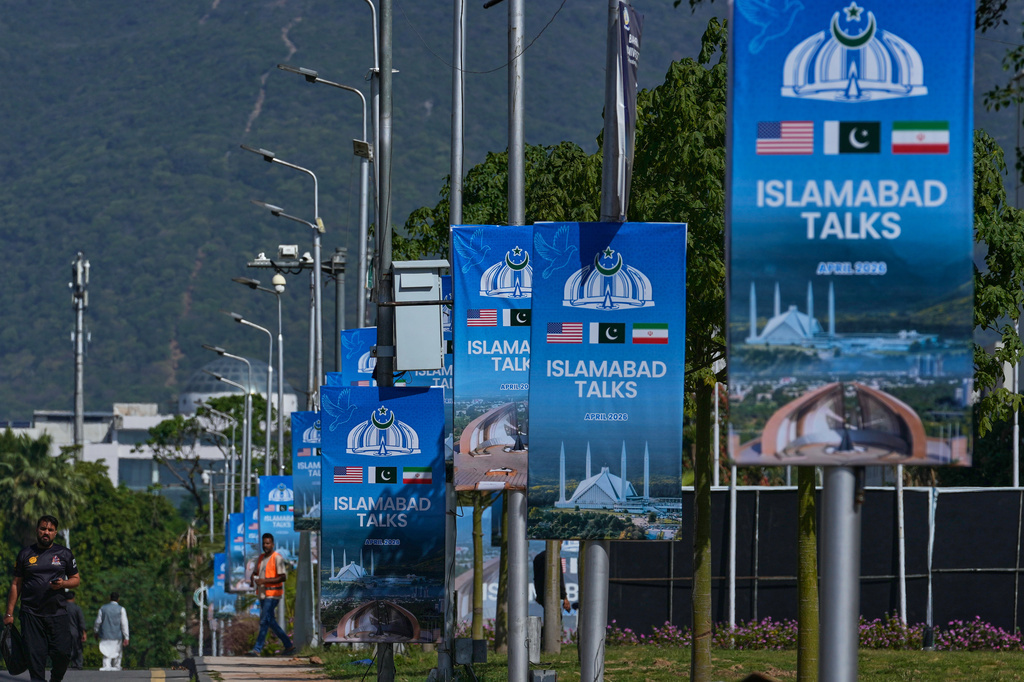
It's not clear when talks might restart. Iran's Foreign Ministry spokesperson Esmail Baghaei acknowledged Trump's ceasefire extension in comments reported on Wednesday by Iranian state television but did not specifically say Tehran was ready to attend a new round of talks.
Earlier, Mojtaba Ferdousi Pour, the head of the Iranian mission in Egypt, told The Associated Press that no delegation would go to Pakistan until the US lifts its blockade.
Two Pakistani officials told the AP that Islamabad is still waiting to hear from Tehran on when it will send a delegation. They spoke on condition of anonymity because they were not authorised to talk to the media.
One killed in drone attack in Lebanon
In Lebanon, where fighting between Israel and the Iran-backed Hezbollah broke out after the US and Israel launched their initial strikes, the state-run National News Agency said a morning Israeli drone strike on the village of Jabbour killed one and wounded two others.
Israel's military denied that it had attacked the area.
A 10-day ceasefire went into effect in Lebanon on Friday, but there have been several Israeli strikes and Hezbollah claimed its first attack on Tuesday.
Since the war started, at least 3375 people have been killed in Iran, according to authorities.
More than 2290 people has been killed in Lebanon, 23 people have died in Israel and more than a dozen have died in Gulf Arab states.
Fifteen Israeli soldiers in Lebanon and 13 US service members throughout the region have been killed.
NEVER MISS A STORY: Get your breaking news and exclusive stories first by following us across all platforms.
- Download the 9NEWS App here via Apple and Google Play
- Make 9News your preferred source on Google by ticking this box here
- Sign up to our breaking newsletter here


