
Iran said on Friday it fully reopened the Strait of Hormuz to commercial vessels, but US President Donald Trump said the American blockade on Iranian ships and ports "will remain in full force" until Tehran reaches a deal with the US, including on its nuclear program.
Iranian Foreign Minister Abbas Araghchi posted on X that the crucial waterway, through which about 20 per cent of the world's oil is shipped, was now fully open to commercial vessels, as a 10-day truce between Israel and the Iran-backed Hezbollah militant group in Lebanon appeared to hold.
Trump initially celebrated the Iranian announcement, posting on social media that the strait was "fully open and ready for full passage." But minutes later, he issued another post saying the US Navy's blockade would continue "UNTIL SUCH TIME AS OUR TRANSACTION WITH IRAN IS 100% COMPLETE."
READ MORE: War crime accused Ben Roberts-Smith gives thumbs up while leaving prison
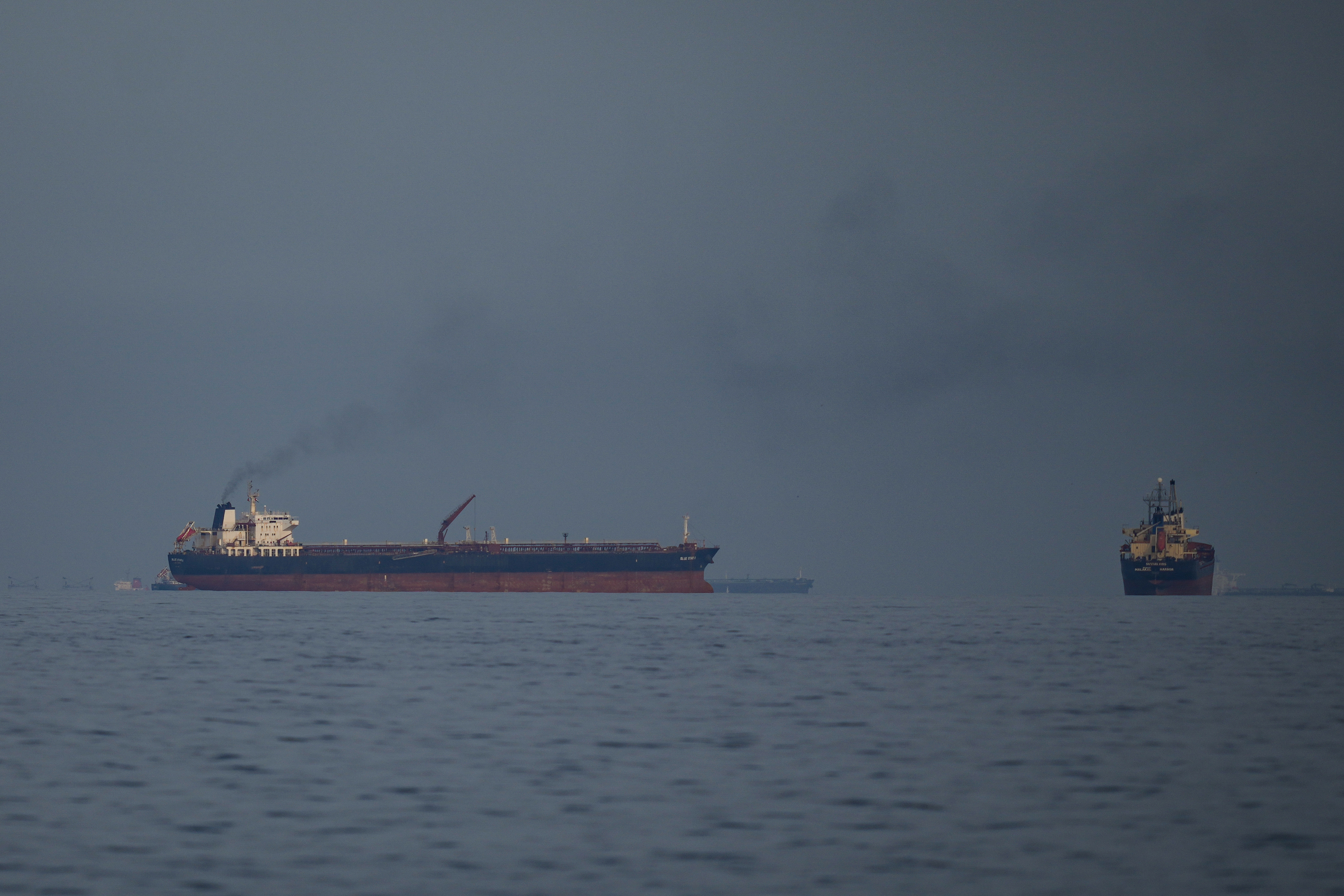
The president also said Iran, with help from the US, is working to remove all mines from the strait.
Trump imposed the blockade earlier this week after Iran restricted traffic through the strait due to fighting in Lebanon, which Iran claimed was a breach of the Pakistan-brokered ceasefire reached between the US, Israel and Iran.
At the time, Trump said the blockade would enforce an "all or none" policy in hopes of pressuring Iran to reopen the strait.
The president's decision to continue the blockade despite Iran's announcement appeared aimed at sustaining pressure on Tehran as the fate of the two-week ceasefire reached last week remained uncertain. The ceasefire has paused almost seven weeks of war between Israel, the US and Iran.
READ MORE: Petrol prices fall despite refinery fire, but Aussies could face economic pain
Direct talks between the US and Iran last weekend were inconclusive, as the two nations could not come to agreement about Iran's nuclear program and other points.
Iranian media challenge announcement about Strait of Hormuz
Two semi-official news agencies in Iran seemed to challenge Araghchi's announcement about the strait.
Considered close with Iran's powerful Revolutionary Guard, the Fars news agency issued a series of posts on X criticising what it said was a lack of clarity over the decision to reopen the waterway and a "strange silence from the Supreme National Security Council and the negotiating team."
Iran's Supreme National Security Council has recently acted as the country's de facto top decision-making body, amid doubts over the status of the new supreme leader, Mojtaba Khamenei, who was reportedly wounded early in the war.
The Mehr news agency also said the decision to reopen the strait needed "clarification" and required the supreme leader's approval.
Oil tumbles 10 per cent and the Dow soars more than 1,000 points
Oil prices fell by 10 per cent, and the Dow Jones Industrial Average soared 1020 points after Iran said the Strait of Hormuz is fully open, which would allow oil tankers to exit the Persian Gulf again and carry crude to customers worldwide.
The S&P 500 jumped 1.3 per cent in morning trading on Friday as US stocks race toward the finish of a third straight week of big gains. The Nasdaq composite climbed 1.5 per cent.
Stocks have rallied 12 per cent since late March on hopes that the United States and Iran can avoid a worst-case scenario for the global economy.
Macron and Starmer welcome Strait of Hormuz opening but say it must be permanent
The leaders of France and the UK have welcomed the announced reopening of the Strait of Hormuz but say it must become permanent.
President Emmanuel Macron and Prime Minister Keir Starmer say they will keep planning an international mission to restore maritime security, with a meeting of military planners in London next week.
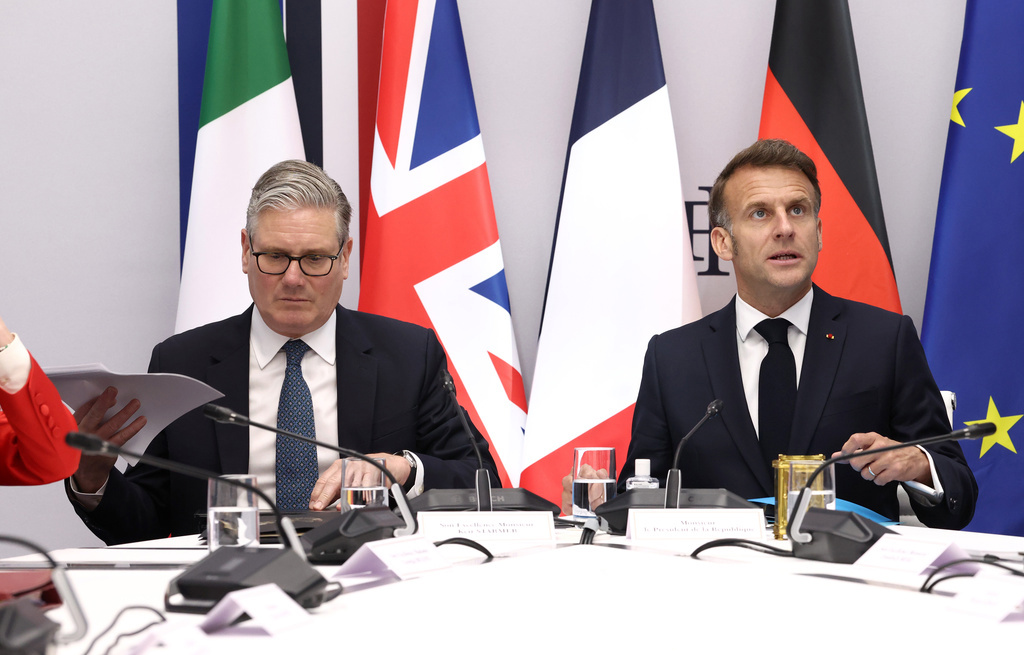
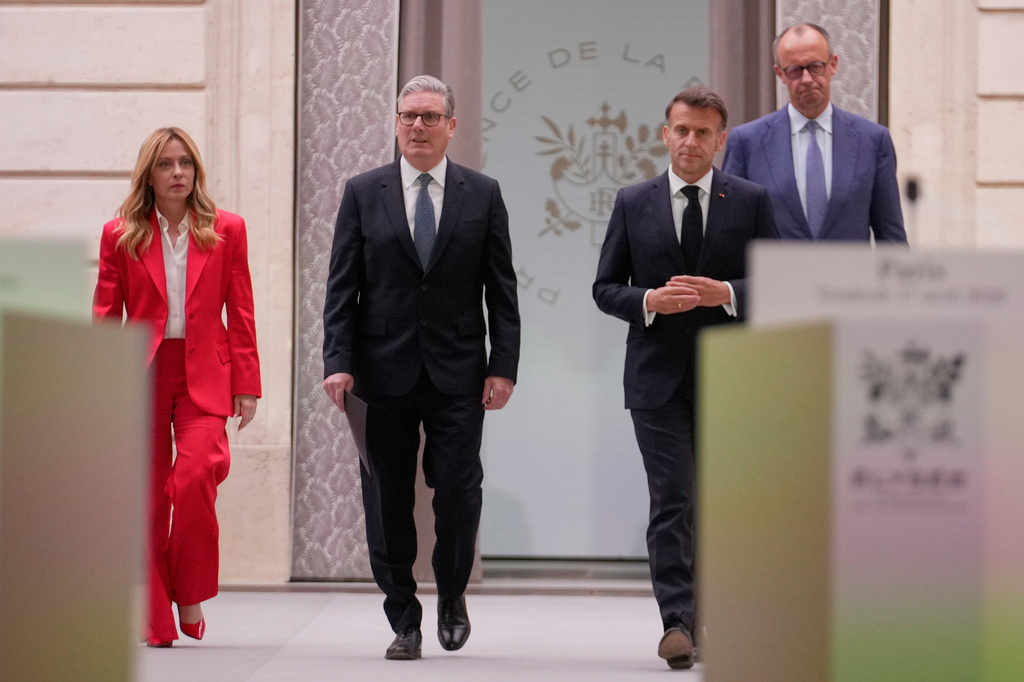
Speaking after a gathering of some 50 countries, Macron said, "We all demand the full, immediate and unconditional reopening of the Strait of Hormuz by all parties."
Starmer said the announcement by Iran and the US that the waterway is open must become "both lasting and a workable proposal."
He said France and the UK will lead a multinational mission to safeguard shipping "as soon as conditions allow."
The Paris meeting is part of attempts by sidelined nations to ease the impact of a conflict they didn't start and haven't joined, but that has sent the global economy reeling.
Petroleum prices soared after the war started on February 28, when Iran effectively shut the narrow strait through which a fifth of the world's oil usually passes.
The US is not part of the planning for what has been branded the Strait of Hormuz Maritime Freedom of Navigation Initiative, which Macron said would be "a neutral mission, entirely separate from the belligerents to escort and secure the merchant ships transiting the Gulf."
Celebrations in Beirut
In Beirut, celebratory gunshots rang out at the start of the truce. Displaced families began moving toward southern Lebanon and Beirut's southern suburbs despite warnings by officials not to return to their homes until it became clear whether the ceasefire would hold.
The Lebanese army and UN peacekeepers in southern Lebanon had reported sporadic artillery shelling in some parts of southern Lebanon in the hours after the ceasefire took effect.
An Israeli strike in the area of Kounine hit a car and a motorcycle, killing one person and wounding three, including a Syrian citizen, the Lebanese Health Ministry said on Friday. It was the first airstrike and first fatality reported since the truce took effect.
There was no immediate response from the Israeli army or Hezbollah.
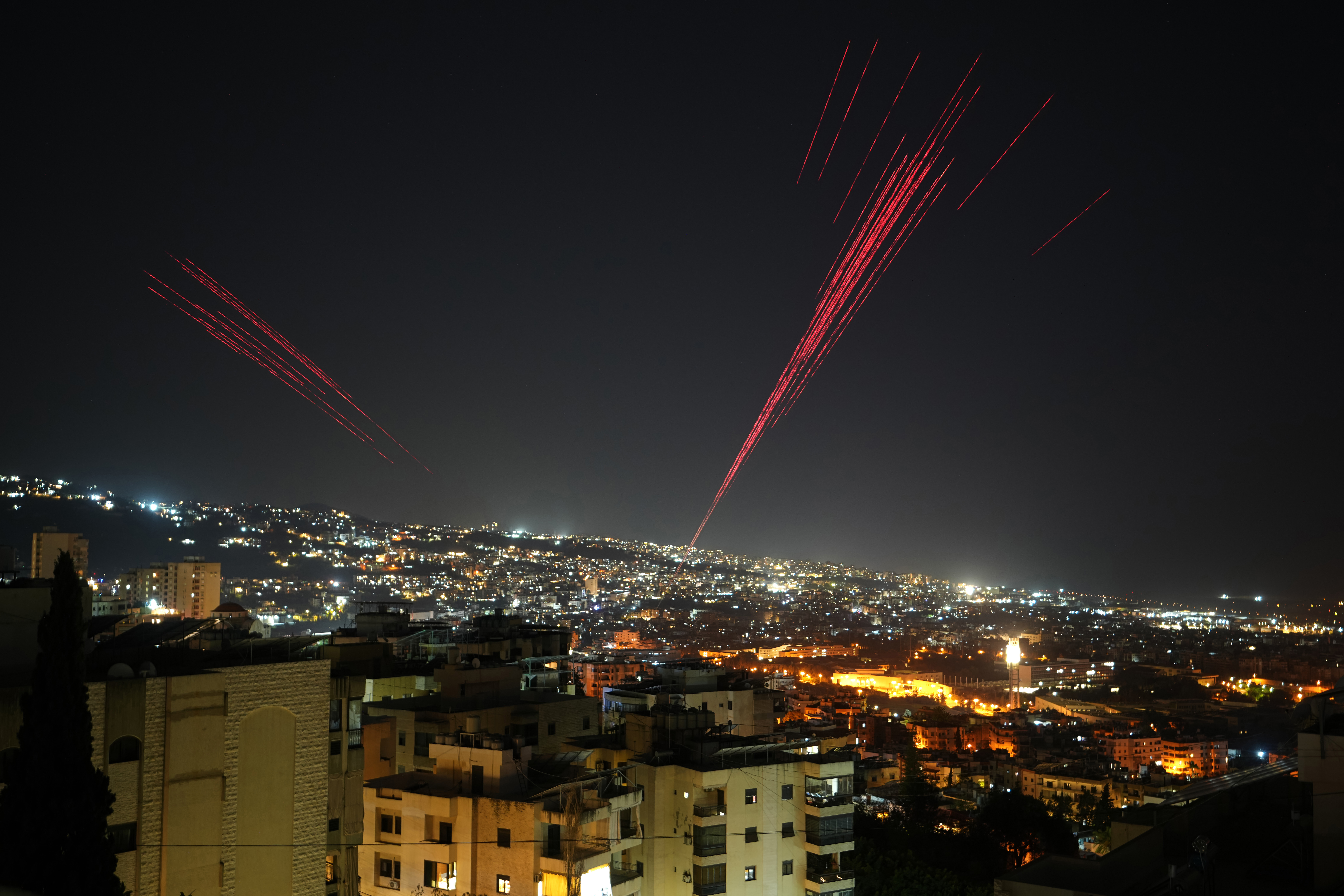
According to the agreement shared by the State Department, Israel can act in self-defence against imminent attacks but cannot carry out offensive operations against southern Lebanon.
Trump heralded the deal as a "historic day for Lebanon" and expressed confidence the war with Iran would soon end.
"I will say the war in Iran is going along swimmingly," Trump said in Las Vegas. "It should be ending pretty soon."
An end to Israel's war with Hezbollah was a key demand of Iranian negotiators, who previously accused Israel of breaking the current ceasefire with strikes on Lebanon. Israel said that deal did not cover Lebanon.
The fighting has killed at least 3000 people in Iran, more than 2290 in Lebanon, 23 in Israel and more than a dozen in Gulf Arab states. Thirteen US service members have also been killed.
Israel says it will keep troops in Lebanon
Israel's hard-line Defence Minister Israel Katz warned on Friday that Israel plans to respect the ceasefire even though attempts to completely disarm Hezbollah in southern Lebanon are "not yet complete". Katz said that Israel would continue to hold all the places it is currently stationed, including a buffer zone extending 10 kilometres from the border with Israel into southern Lebanon. He said that many homes in the area would be destroyed and Lebanese residents will not return to the area.
Earlier, Israeli Prime Minister Benjamin Netanyahu said he agreed to the ceasefire "to advance" peace efforts with Lebanon, but also said Israeli troops would not withdraw.
Israeli forces have engaged in fierce battles with Hezbollah in the border area as they pushed into southern Lebanon to create what officials have called a "security zone".
"That is where we are, and we are not leaving," he said.
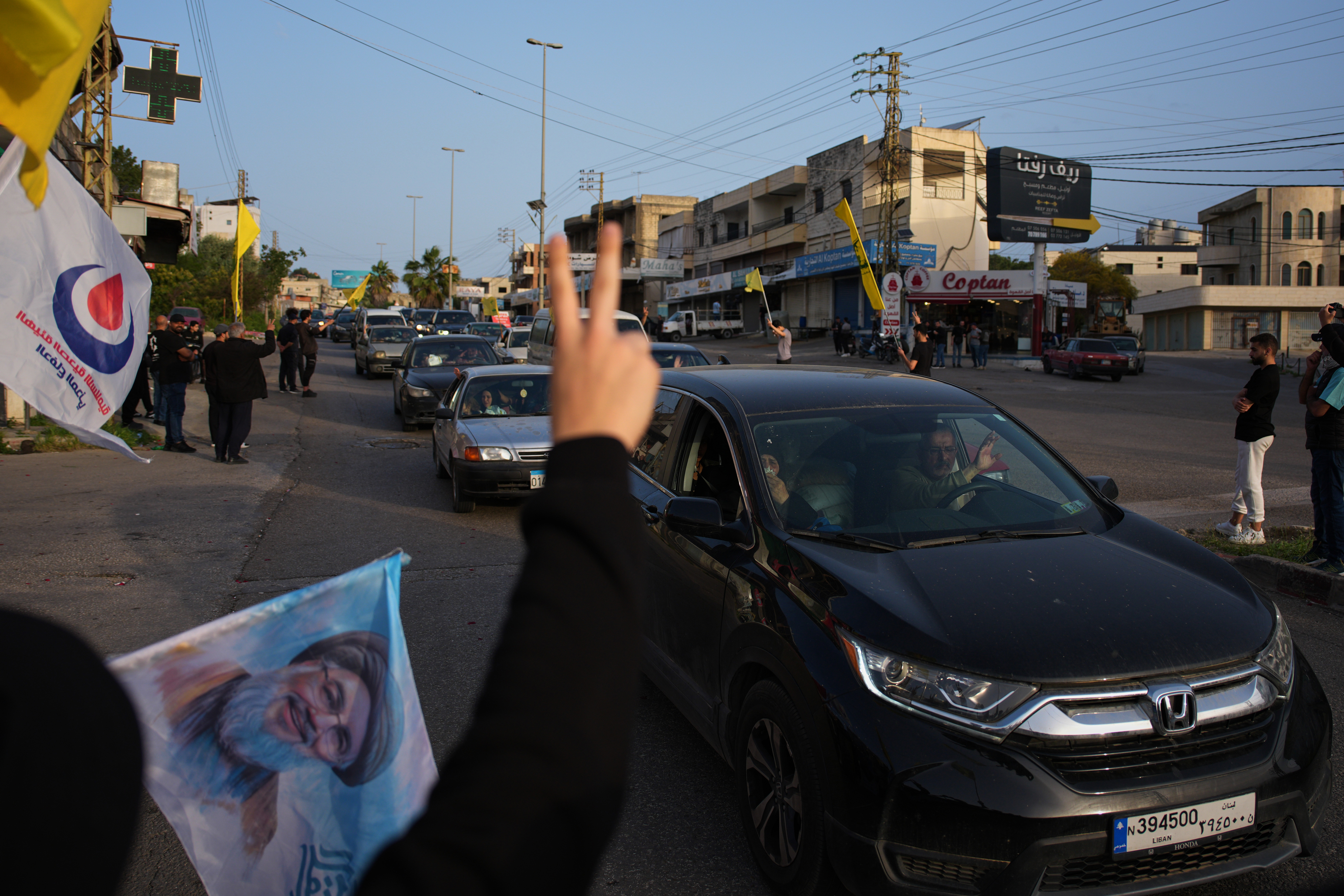
Hezbollah has said that Lebanese people have "the right to resist" Israeli occupation of their land and that their actions "will be determined based on how developments unfold".
The US State Department said that according to the agreement, Israel reserves the right to defend itself "at any time, against planned, imminent or ongoing attacks". But otherwise, Israel "will not carry out any offensive military operations against Lebanese targets, including civilian, military, and other state targets".
Trump announced the agreement as a ceasefire between Israel and Lebanon, but a Hezbollah official said the ceasefire was a result of negotiations between the US and Iran. The official spoke on condition of anonymity because he was not authorised to speak publicly.
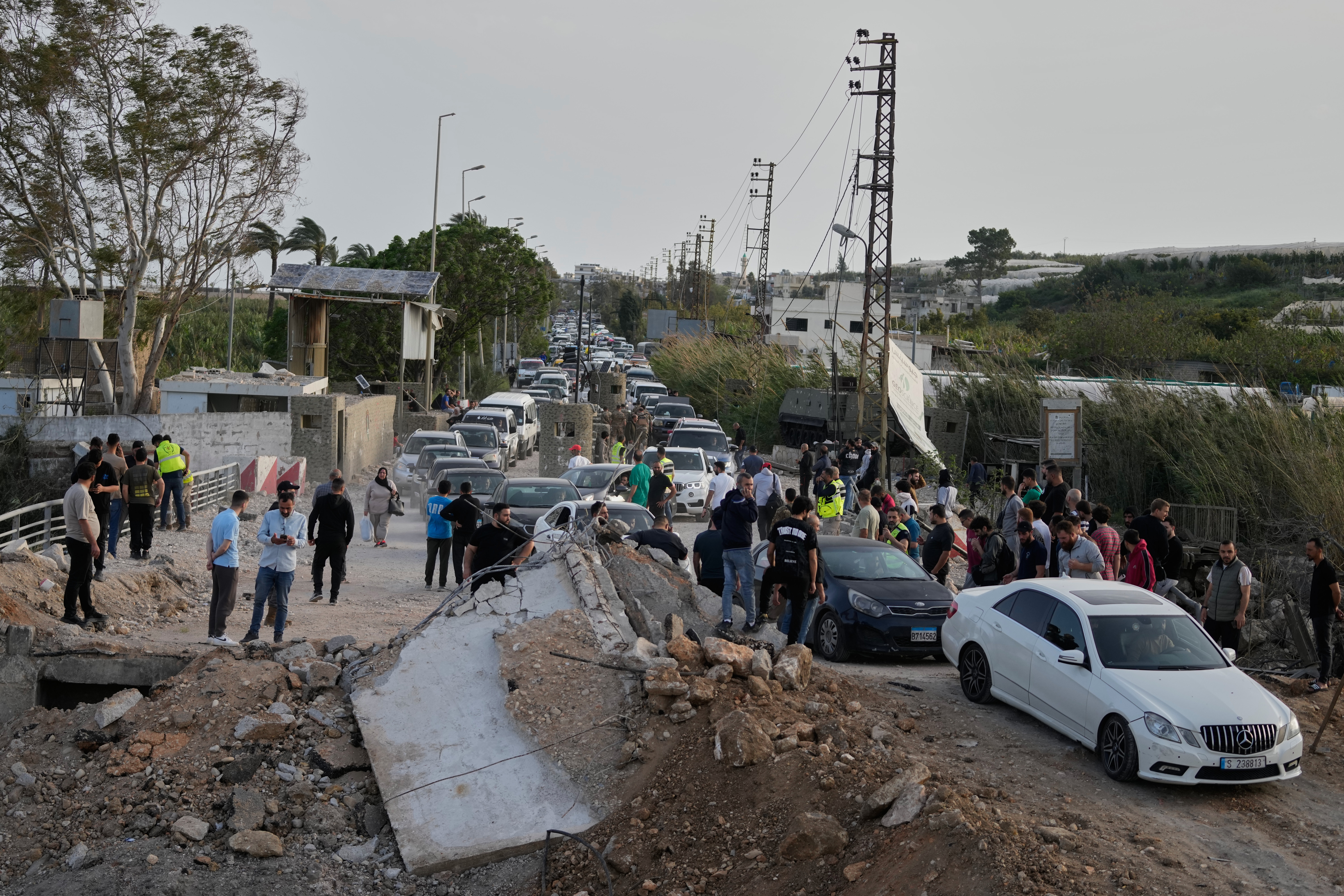
Israel and Hezbollah have fought several wars and have been fighting on and off since the day after the start of the Gaza war. Israel and Lebanon reached a deal to end that war in November 2024, but Israel has kept up near-daily strikes in what it says is an effort to prevent the Iran-backed militant group from regrouping. That escalated into another invasion after Hezbollah again began firing missiles at Israel in response to its war on Iran.
Flurry of diplomacy led up to Lebanon ceasefire
The agreement came after a meeting between Israel's and Lebanon's ambassadors in Washington and a flurry of subsequent phone calls from Trump and Secretary of State Marco Rubio, according to a White House official.
They were the first direct diplomatic talks between the two countries in decades. Hezbollah had opposed direct talks between Lebanon and Israel.
Trump spoke Wednesday evening with Netanyahu, who agreed to a ceasefire with certain terms, according to the official, who was not authorised to comment publicly and spoke on condition of anonymity.
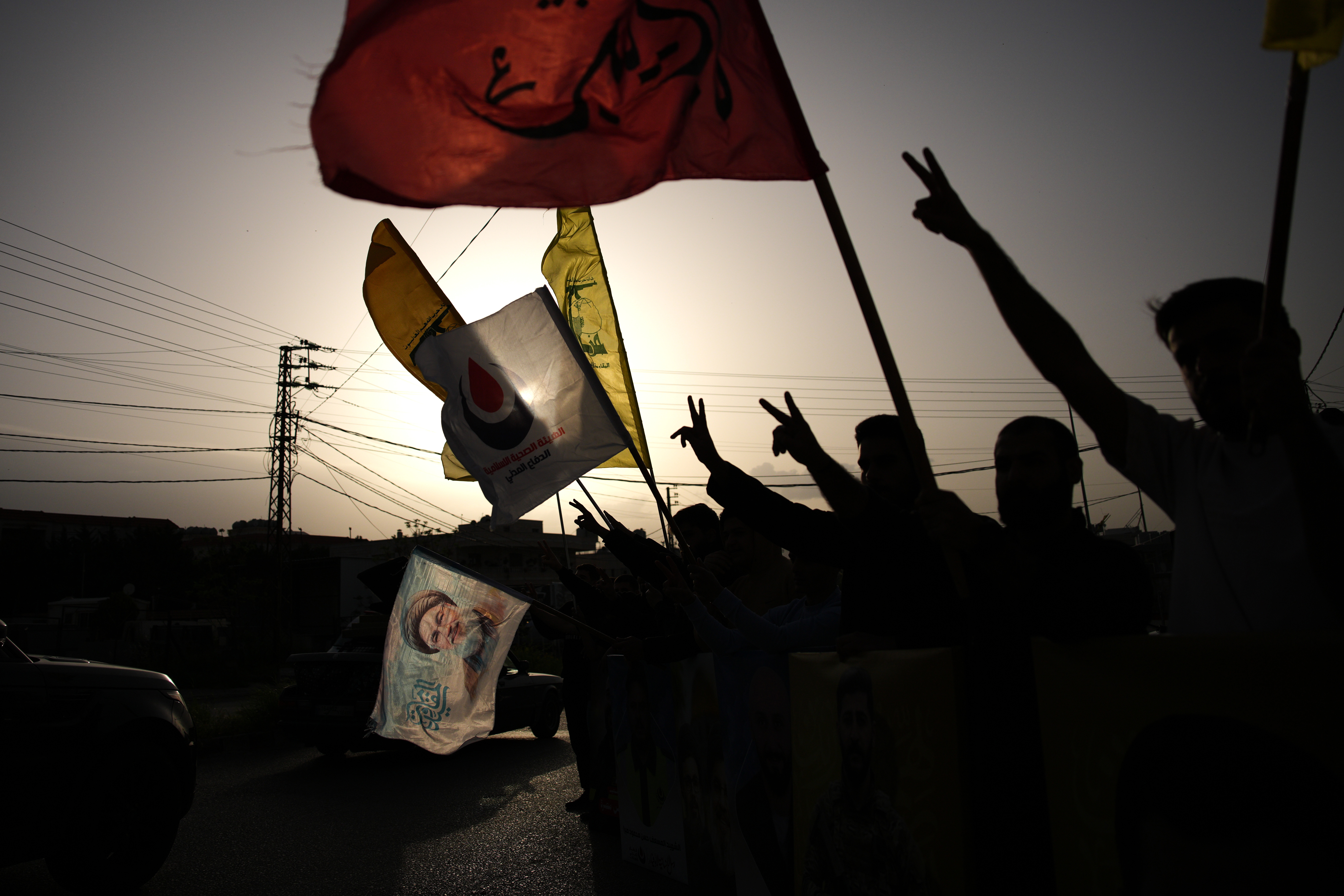
Rubio then called Lebanon's president, Joseph Aoun, who got on board. Trump then spoke with Aoun, and again with Netanyahu.
The State Department worked with both governments to formulate a memorandum of understanding for the truce.
Pakistan army chief meets with Iranian parliament speaker
Pakistan's army chief met Thursday with Iran's parliament speaker as part of efforts to press for an extension to a ceasefire that has paused almost seven weeks of war between Israel, the US and Iran.
Even as the US blockade on Iranian ports and renewed Iranian threats strained the ceasefire, regional officials reported progress, telling AP the United States and Iran had an "in-principle agreement" to extend it to allow for more diplomacy. They spoke on condition of anonymity to discuss sensitive negotiations.
Mediators are pushing for a compromise on three main sticking points: Iran's nuclear program, the Strait of Hormuz and compensation for wartime damages, according to a regional official involved in the mediation efforts.
Trump suggested the ceasefire could be extended.
"If we're close to a deal, would I extend?" Trump said in an exchange with reporters. "Yeah, I would do that."
NEVER MISS A STORY: Get your breaking news and exclusive stories first by following us across all platforms.
- Download the 9NEWS App here via Apple and Google Play
- Make 9News your preferred source on Google by ticking this box here
- Sign up to our breaking newsletter here