

ANALYSIS: Today's federal budget could be the most consequential in decades as the government stands poised to unveil a major tax reform package and unforgiving spending cuts.
In just hours, Treasurer Jim Chalmers will hand down "ambitious" and "responsible" budget papers that outline his plan to address intergenerational inequity, and help fight rising inflation and government debt.
He has tried to downplay the tax reform package, telling reporters last week that the main game is creating billions in savings.
SCROLL DOWN FOR DETAILS ON WHAT AUSTRALIANS CAN EXPECT IN THE BUDGET
READ MORE: PM defends sweeping tax reforms that could hit property investors hard
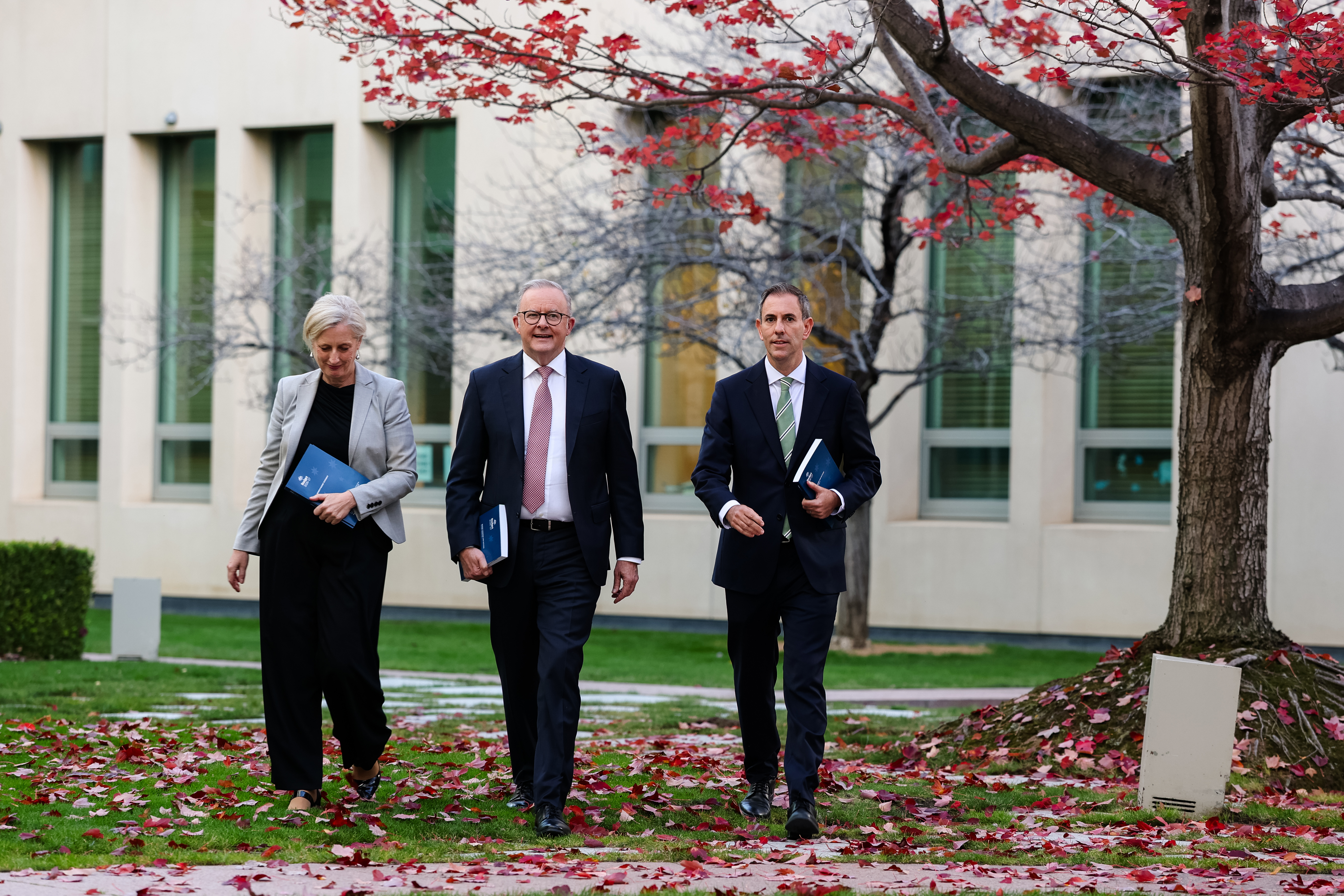
"What you will see in the budget is, in gross terms, there will be more dollars in savings than dollars in revenue upgrades. There will also be more dollars in savings than dollars in tax reform," he said last week.
"The point that I'm making there is that savings and spending restraint is doing a lot of the heavy lifting in the very responsible budget that (Finance Minister Katy Gallagher) and I will hand down."
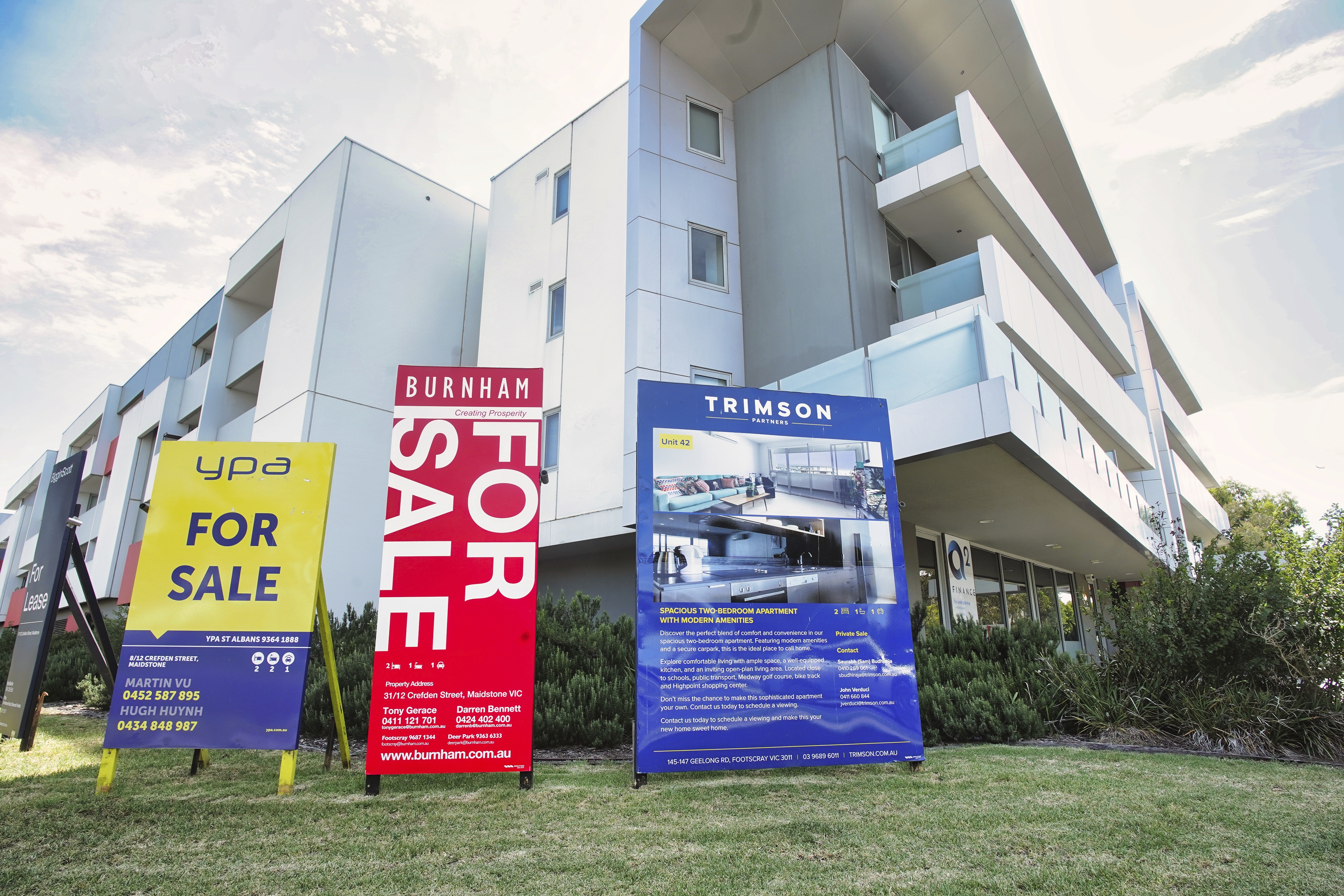
But the all-but-confirmed changes to the capital gains tax (CGT) discount and negative gearing are what many have their eyes on.
READ MORE: Joyce says One Nation will 'go for government' after historic win
KPMG chief economist Brendan Rynne said this was the most "consequential" budget for taxpayers in about a decade.
"In many regards, assuming that everything that we've already been told is true, there's a lot more in this budget than what we've seen for quite some time," he said.
"Particularly around the taxation side of the budget, some of the changes are quite meaningful from a policy perspective.
"I suppose what's also going to be interesting as well is from an expenditure side is what the government is proposing in terms of hopefully pulling back nominal expenditure so actually a decline in government spending as opposed to just flatlining that expenditure or even having a small increase."
As far as Rynne can remember, this could be the most meaningful budget since Joe Hockey's first in 2014.
READ MORE: 'A real mess': Pauline Hanson reveals reason for One Nation surge

Momentum has been building for the government to tackle the generous twin tax breaks of negative gearing and the CGT discount after a Greens-led Senate inquiry in March supported what some critics have said – the two concessions are flawed and benefit investors over first-home buyers.
And while the government has not confirmed these changes will be in the budget, they have not ruled them out either, despite being given plenty of opportunities to do so.
Supporters of the policies, like the Housing Industry Association, believe the changes could worsen the rental crisis by discouraging property investment during a housing crisis.
However, the government is framing its budget policies in social terms, arguing the changes are necessary to address intergenerational inequity.
"We've… got serious challenges in the housing market when it comes to how difficult it is for people, particularly young people, to get a toehold in the market," Chalmers said on Sunday.
Here is everything we expect to see change when the budget is handed down today:
$300 more back at tax time
One of the speculated moves is the federal government offering taxpayers an earned income offset, which could see people paying between $200 and $300 less at tax time this year.
The report in The Australian framed the offset as a one-off cost-of-living relief measure, rather than an ongoing offer.
Albanese has refused to confirm whether the offset will be included in the budget.
"It's a whole lot of speculation out there in budgets and that's what happens. Some of it right, some of it's wrong," he said last week.
Big savings
In a press conference with Finance Minister Katy Gallagher, Chalmers said the budget would be more concentrated on responsible spending and savings than the anticipated tax reforms.
"What you will see in the budget is, in gross terms, there will be more dollars in savings than dollars in revenue upgrades. There will also be more dollars in savings than dollars in tax reform," he said last week.
"The point that I'm making there is that savings and spending restraint is doing a lot of the heavy lifting in the very responsible budget that Katy and I will hand down."
Gallagher said the budget will include savings from every government department, with savings already identified in defence, NDIS and external labour.
"This is essentially extending the existing savings measure we have put in place in previous budgets, and it will also have significant savings from unallocated funding across a number of departments," she said.
The Australian Financial Review reported the public service is facing sweeping job cuts, with thousands of positions to be lost under the budget's spending cuts.
EV tax breaks wound back
Chalmers and Energy Minister Chris Bowen last week announced they will wind back the electric vehicle fringe benefits tax (FBT) discount from April 2027 in a move estimated to create $1.7 billion in savings over five years.
"The current New Vehicle Efficiency Standards has seen a dramatic increase in the availability of affordable EV models, and now is the right time to focus the FBT exemption on these cars," they said in a joint statement.
"The new rules will encourage manufacturers to offer more affordable and cheaper to run EVs in the Australian market."
From April 2027, the full discount will only apply to electric vehicles costing $75,000 or less.
Electric vehicles costing more than $75,000 but less than the luxury car tax threshold will receive a 25 per cent discount on their tax.
From April 2029, all electric vehicles below the luxury car threshold will receive the 25 per cent discount.
The changes come after the popular policy caused a surge in electric vehicles on Australian roads and cost the budget $1.4 billion in 2025-26, up from the initial $90 million forecast.
NDIS cuts
Health Minister Mark Butler announced $15 billion would be cut from the National Disability Insurance Scheme (NDIS) over the next four years to clamp down on ballooning costs and prevent it from becoming "an ATM for shonks, grifters, fraudsters and crooks".
Changes include tighter criteria, standardised and evidence-based assessments, fraud prevention and reduced spending on social and community participation per participant and daily activities.
Initial modelling shows the changes will reduce the number of people on the NDIS from 760,000 to 600,000 by the end of the decade.
"It costs too much and is growing too fast," Butler said in April.
"We can't afford for the NDIS to continue growing at its current rate."
Defence boost
Defence will receive an additional $53 billion over the next decade, increasing spending to 3 per cent of Australia's GDP by 2033 under the NATO methodology.
US President Donald Trump has been pressuring Australia and NATO countries to raise their defence spending, complaining that the US does a lot of the heavy lifting.
The funding boost, announced last month by Defence Minister Richard Marles, was partly paid for by the sale of military land and will deliver greater warfare capabilities, systems and communications.
Rail line between Sydney and Canberra
An extra $100 million will be provided for upgrades to the rail line between Sydney and Canberra.
The federal government will foot half the bill, while the NSW and ACT governments contribute $25 million each.
There will be about five years of ongoing upgrades, including investigations into new express services, new boom gates and lights at level crossings, improvements to track alignments and turnouts and station and stabling improvements.
The 321-kilometre corridor includes the Sydney Trains-operated line between Sydney Central station and Macarthur, the Southern Line through the Southern Highlands to Goulburn, and the Country Regional Network branch line into Canberra.
The government has previously set aside almost $2.8 billion for the rail network and building a high-speed rail between Newcastle and Sydney.
Cheaper fuel
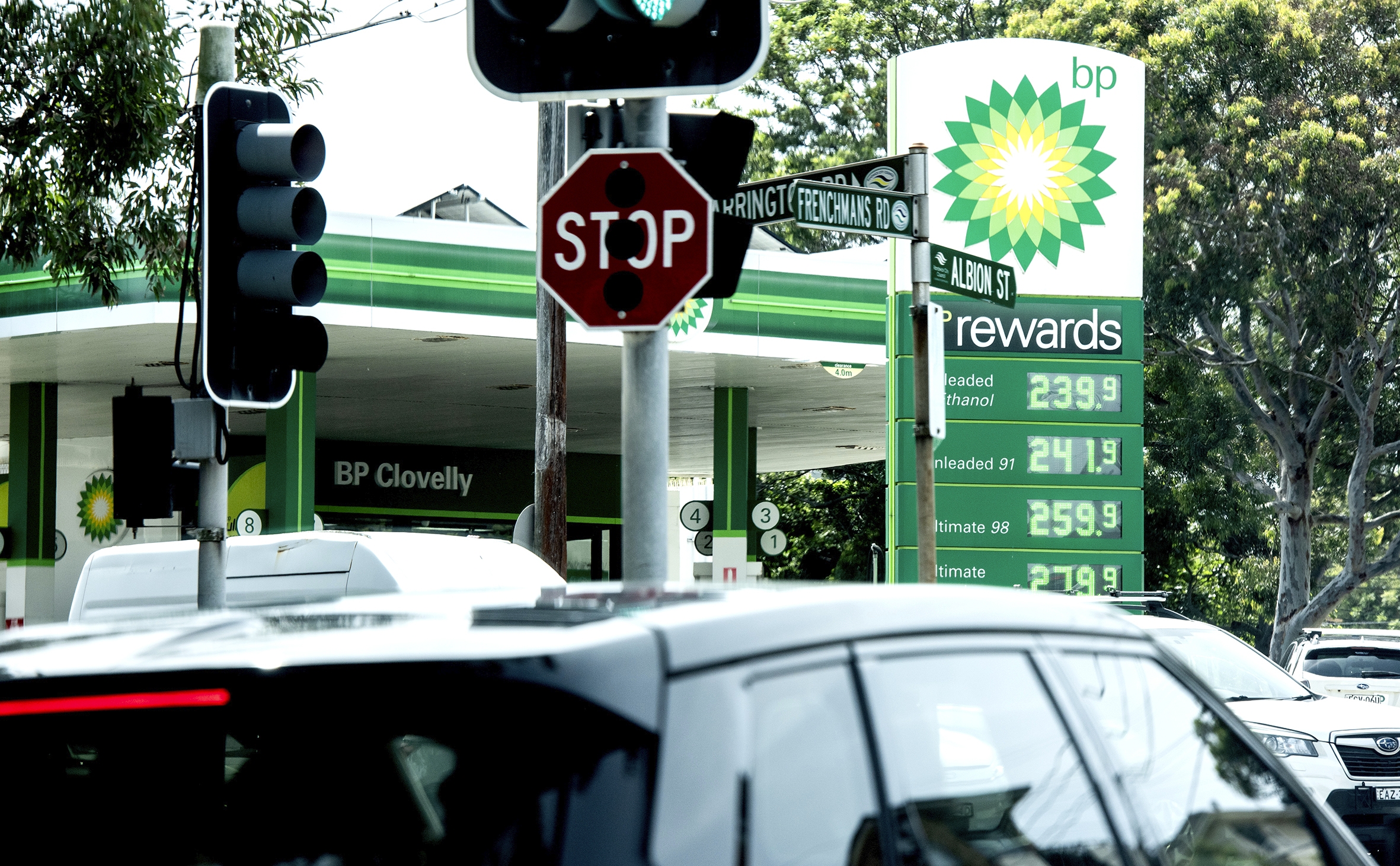
The federal government halved the fuel excise and removed the Heavy Vehicle Road User Charge from April 1 to June 30 to provide some relief for motorists facing soaring fuel costs, which will be funded in the budget.
The measure was estimated to reduce fuel costs by 26.3 cents per litre and almost $19 on a 65-litre tank.
The Australian Competition and Consumer Commission is monitoring fuel prices across the country to ensure the cost savings are being passed on.
Chalmers has ruled out extending the fuel excise cut and the removal of the Heavy Vehicle Road User Charge after June.
More announcements
- $10 billion fuel security package to boost the national stockpiles by more than 10 days, extra storage facilities and a study into expanding the country's fuel refining capabilities.
- $1.8 billion over five years to make Medicare Urgent Care Clinics permanent.
- An additional $25 billion for public hospitals in the new five-year National Health Reform Agreement.
- $74 million over two years to set up a national centre to fight terrorism and online threats.
- $500 million to speed up housing approvals through environmental law reforms.
- $1000 instant receipt-free tax deduction for work-related expenses for about 6.2 million workers.
- Reducing the private health insurance rebate for those over 65 to the same level as everyone else.
- New Payday Super rules mandating employers to pay superannuation at the same time as salary and wage payments will come into effect from July 1.
NEVER MISS A STORY: Get your breaking news and exclusive stories first by following us across all platforms.
- Download the 9NEWS App here via Apple and Google Play
- Make 9News your preferred source on Google by ticking this box here
- Sign up to our breaking newsletter here
