The race to choose the next United Nations Secretary-General (UNSG) moves into another important phase on Friday, when the Security Council holds its second informal straw poll.
Eight candidates are now competing to succeed António Guterres, whose second term ends in December.
The field has grown since the first poll at the end of July with the two latest entrants — Ugandan diplomat Olara Otunnu and Ecuadorian diplomat Ivonne A-Baki – having spent the past two days making their case to UN member states.
Otunnu held his interactive dialogue on Wednesday, calling for sweeping reform and a restoration of what he described as the UN’s moral authority.
“I hope that my breadth and depth of experience covering some four decades, covering all three pillars of the United Nations, meaning peace and security, on which have worked in the Security Council as Under Secretary General, but also when I was president of International Peace Academy now, IPI (International Peace Institute) … my work on development and my work on human rights, human rights, together with Prime Minister Dr Ruhakana Rugunda, we cut our teeth in the struggle against the rule of Idi Amin in Uganda. So, all my adult life I have been engaged in the promotion of human rights. So, I hope that that breadth and depth of experience is what the UN needs today.”
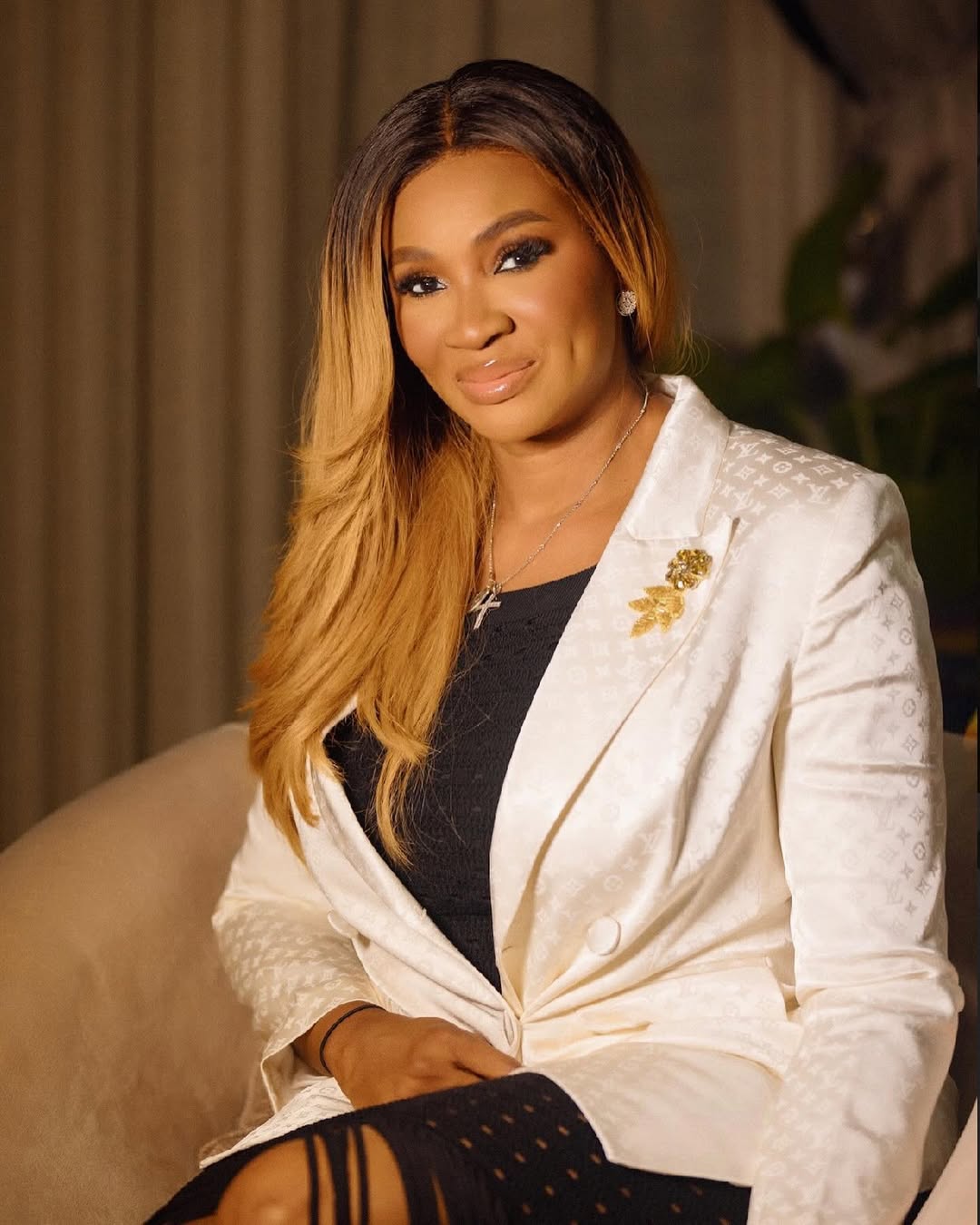
And on Thursday it was Ivonne A-Baki’s turn to engage with member states.
The Ecuadorian diplomat and former government minister was nominated by Tonga and becomes the eighth candidate in the race.
“I recently had a conversation with someone who asked me, how would you manage the UN? My response? I don’t intend to be a manager. A manager is someone who follows a mission statement. A leader is someone who follows a North Star. My North Star for this world body is not necessarily reform. It’s renewal. Renewal of the promise of building peace and preventing war. Renewal of the promise to promote human dignity and social progress, and renewal of the vision that the UN can be the one body where nations of the world can work together to achieve more than nations working alone.”
Friday’s straw poll will also test whether the early frontrunners can maintain their momentum.
The first straw poll held in July put Costa Rica’s Rebeca Grynspan in the lead, followed by Guyana’s Carolyn Rodrigues-Birkett and Argentina’s Rafael Grossi — the head of the International Atomic Energy Agency.
The other candidates are former Chilean President Michelle Bachelet, former Ecuadorian Foreign Minister Maria Fernanda Espinosa and former Senegalese President Macky Sall.
So. there is a distinctly international field — spanning Latin America, Africa and the Caribbean — and with several women in contention for a job that has been held exclusively by men since the United Nations was created – a point put to Otunnu.
“The United Nations, should be a United Nations of inclusion? All aspects of inclusion, whether in terms of geography, gender, culture, faiths, all inclusion. It should be an inclusive institution. And all considerations along those lines should be taken into account. They are legitimate. They are important. But at the end of the day, it is for members of the Security Council and then the general membership of the UN. When they put everything on the weighing machine, they put everything to say at this particular moment in the history of the UN and the world, this is what we think we need. This is what is a good fit.”
The focus now shifts to Friday’s closed-door ballot.
The straw poll is non-binding and done in secret, but those results usually leak within hours.
Its real purpose is to identify momentum — and expose the candidates who may struggle to build a consensus.
With two new candidates now entering the field, the question is whether they can disrupt the early lead enjoyed by Grynspan, Rodrigues-Birkett and Grossi — or whether the second poll begins to narrow the race around a smaller group of contenders.
Ultimately, the Security Council will recommend one candidate to the 193-member General Assembly in the months ahead, with each permanent five member holding veto power over any selection.