

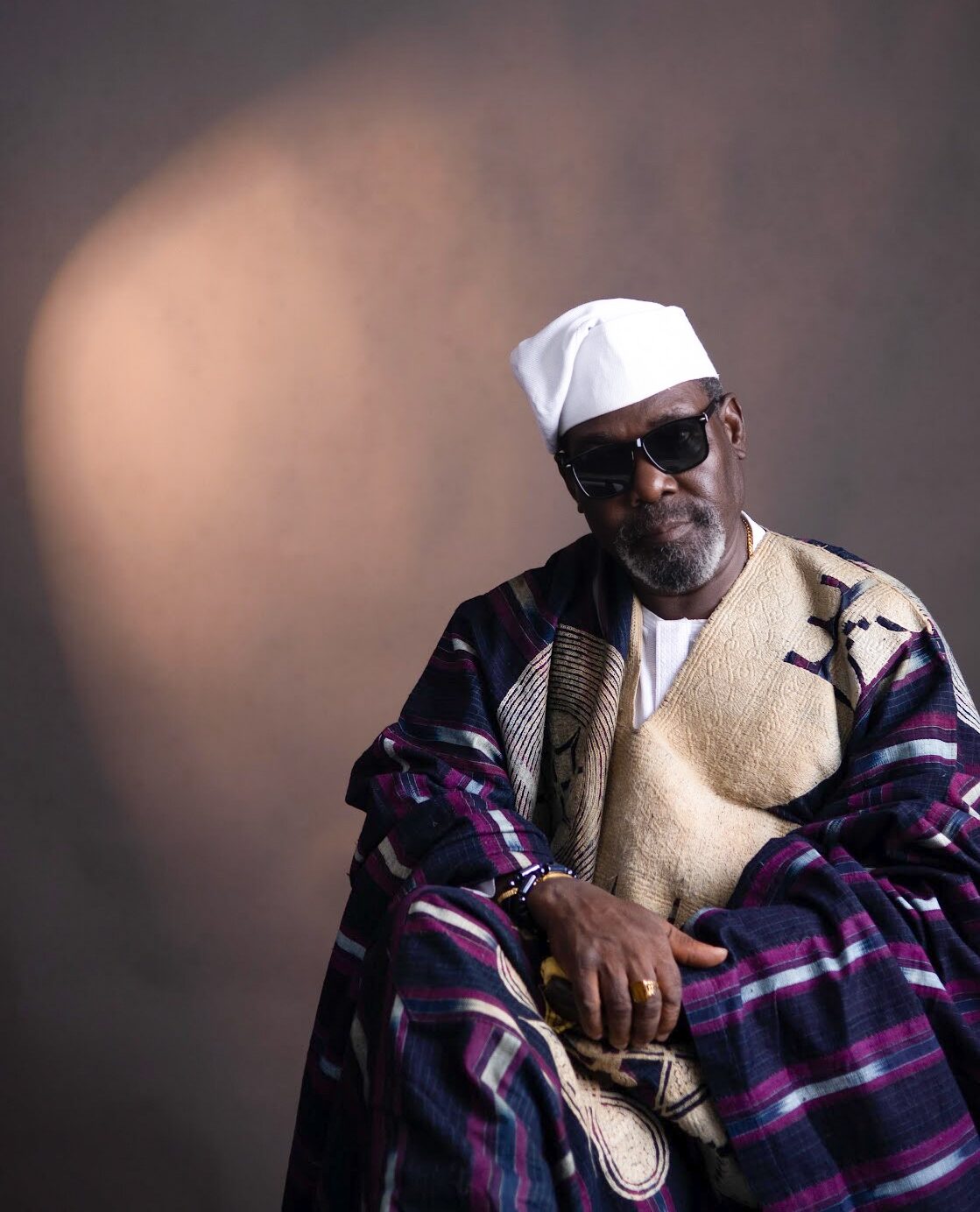
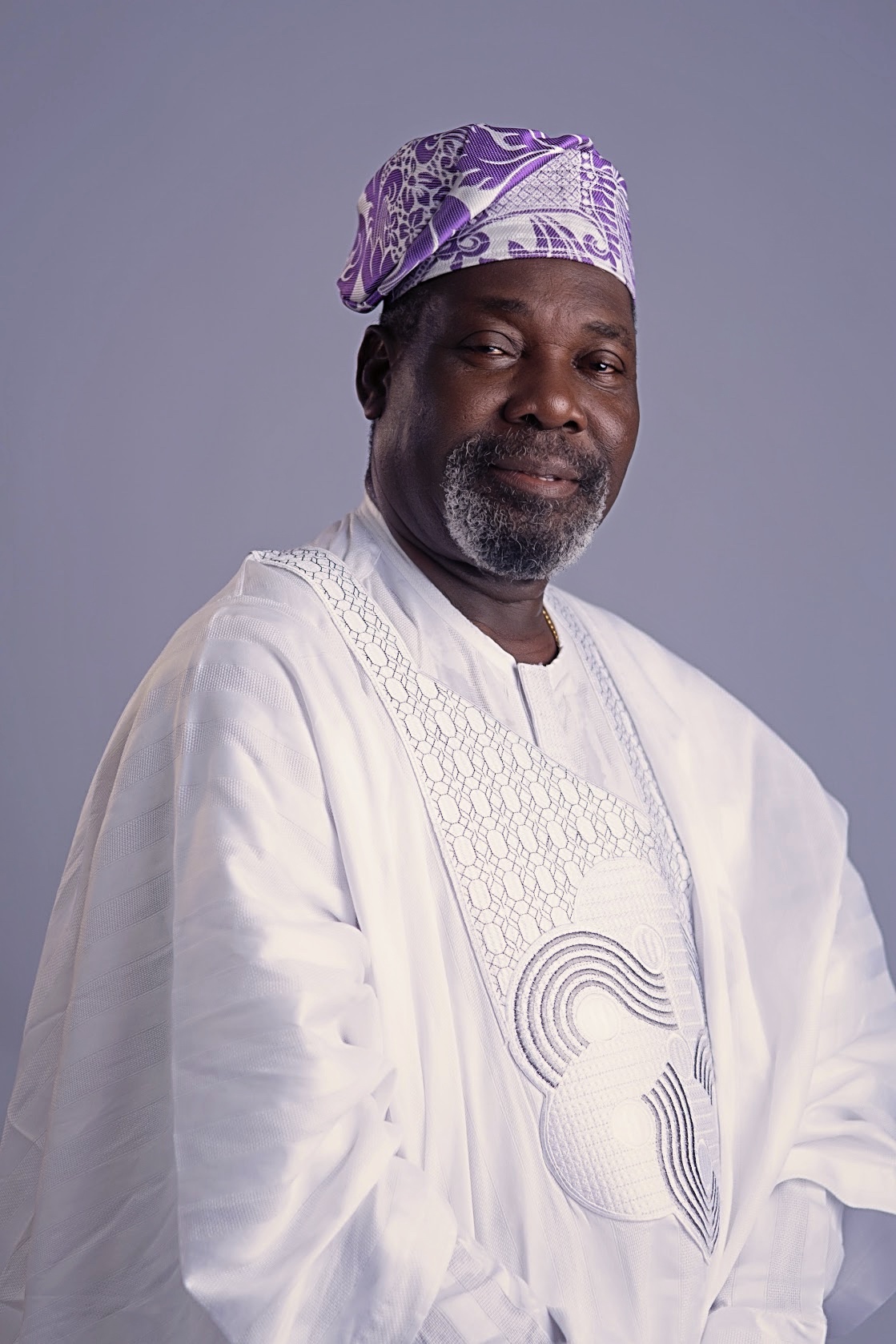
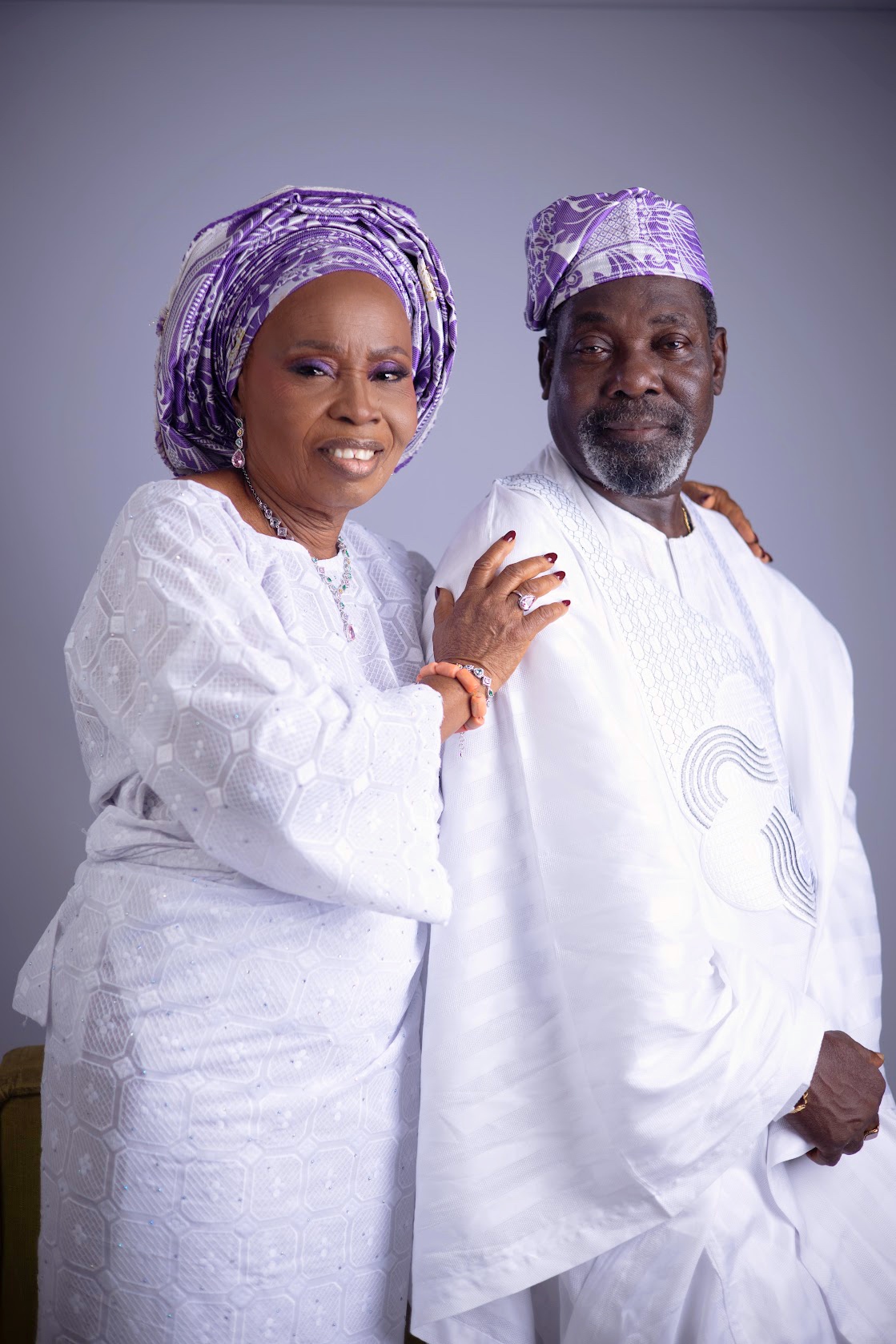
My father turns 70 today.
He grew up in Kaduna, but in 1992, he came back to Lagos with two eyes, two ears, two legs, and one hand.
My father, whom I call Dede, would later tell my sisters and me the story. It was in the Zangon-Kataf riot where the other hand was chopped off. He had, unknowingly, driven into the middle of the riot, looking through the windshield, a cross dangling from the rearview mirror of his car. Boys – feisty, bloodthirsty boys with shiny machetes – stopped and asked him questions, one about his religion. My father says there were moments of silence, where his heart took several somersaults in his throat, where his brain worked rapidly, wondering how best to answer the questions. He looked into the boys’ eyes, some of whom he recognised and who recognised him. They had been together a few times, greeting one another on the streets, dining and wining on a few occasions. He looked at his rearview mirror and knew there was only one answer to give.
Dede narrates the horrors of the Zangon-Kataf riot. Like him, some young women had walked right into it. He says he witnessed as their heads were sliced off their necks, their blood sinking into the sands. He says their heads bounced several times before they rested on the floor. He says that their headless bodies moved aimlessly for some seconds before falling – some knee-first – onto the floor. He says it is sights like that that made him know his end was near. That made him fight for his life.
It was instinct that saved him. When he saw the glimmer of the machete, when he saw it raised above his assailant’s head, in the split second before it was to land on his head, he raised his left hand to protect his neck. In a flash, his hand was divided into two – his elbow and upper arm clinging to the sockets of his shoulder, his hand and part of his forearm rolling in the sand.
He cannot tell of the moments he picked his hand from the sand and ran. Or his navigating the maelstrom of bodies, noises, or mobs. There are parts of the story I am trying to retrieve from my memory – of his running into a hospital, some of the boys at his heels, the adrenaline that surged through him, or how he learned of his car and home that were set ablaze with his dog in it. It was his friend, a respected mallam who had heard about his amputation, who rushed to rescue him, insisting the boys leave him alone until he made his way to a hospital. Inside the hospital walls, there was safety. It was where they treated the myriad victims from the riot. Where they told him they could not reattach his hand. Where he would spend the next several weeks, with political dignitaries visiting alongside cameramen.
Dede does not speak about the trauma of the riot, but growing up, it formed a mushroom-like shape over every roof of the house we lived in.
_
So I will not speak of the trauma of starting afresh with your family in another city, with nothing to your name and a missing body part. Or how my mother nursed and nursed him. Or the difficulty of bouncing back in a world that does not take kindly to people living with disabilities. Or the poverty we wallowed in. It is not my story to tell. Of the things that stuck with me the most like a tick, it is the fear and tension that always clouded my home. I did not like my father as a child. I did not understand him or the anger I almost always saw in his eyes. I didn’t understand the tension that clung to the doors, the walls, the roofs, every nook and cranny of my home. Or the trepidation that clung to me. Little things set him off, and I often wondered if it was me. I found myself walking on eggshells in my home with my mum standing as the bridge. “Please your father”, she’d say, and I would protest: I was the child; why did that burden fall on me?
But of all the things that have stuck with me over the years, it is the doggedness with which he held on to life. And I do not use life literally. I am a strong person, I like to believe. I am very positive about my future. I strongly believe that life will be kind to me, that my future will always be better than my now. My faith and hope in my future are resolute and, once – in one of those moments I have conversations with myself – I realise I take that from my father. Nothing shook him. Nothing shakes him. I like to believe that when you have experienced something as traumatic as war or riots, you see the world differently. You see through fogs and hazes. You see what you can become if you survive. And when you do survive, your heart and mind become rooted. I see his optimism about a country that tried to squash him.
I am grown now. As the decades pass, I see trauma release itself from his eyes. I see his skin and brows unclench in relaxation. The tensions have dissipated from the walls, the doors, the roof. I see joy now.
Life, here, is the future, living, existing, taking space, moving, loving, laughing, building. He fought for all.
_
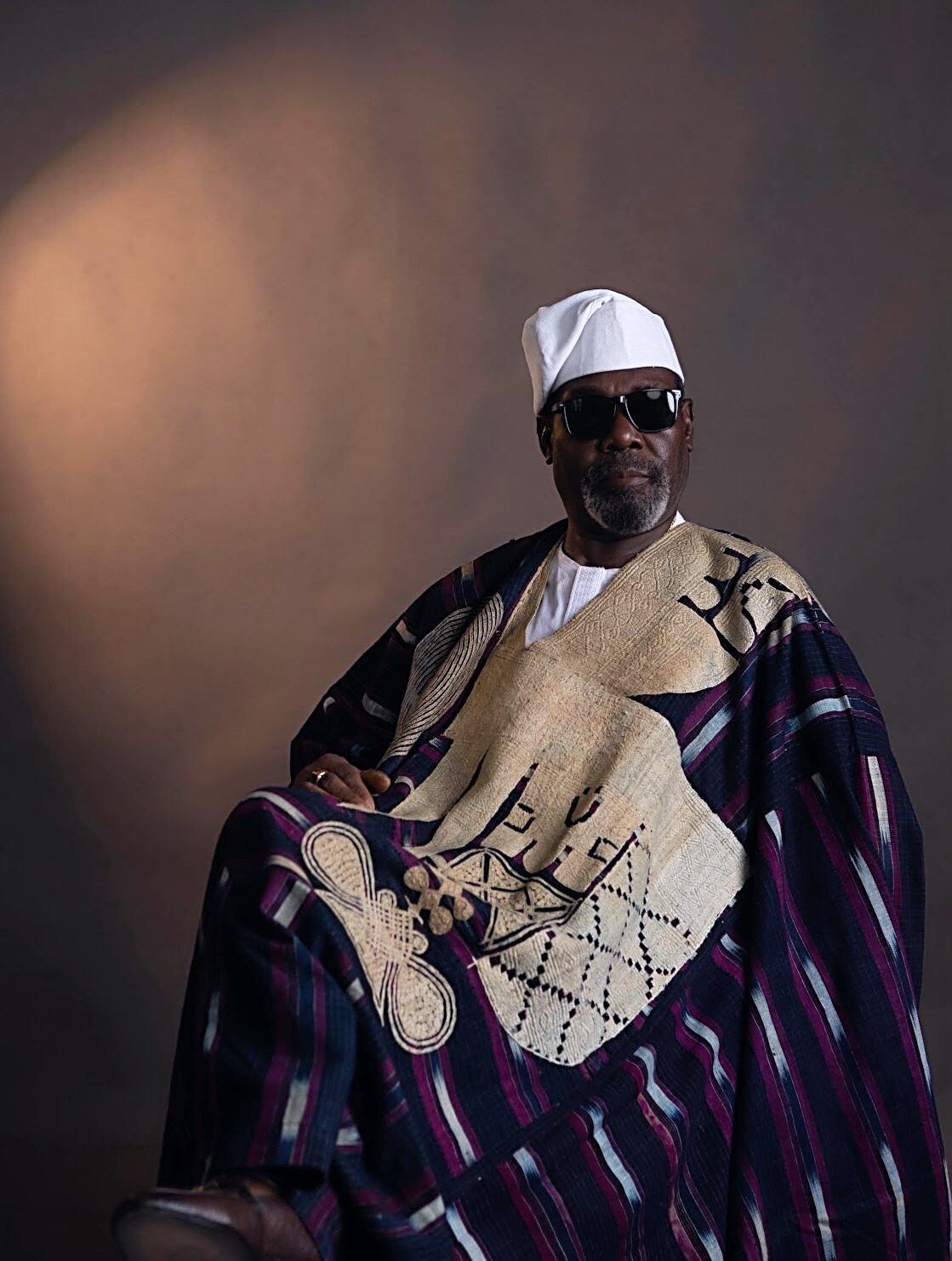
My father, omo agboburuku dikaka, is 70 today.
Omo agboburuku dikaka
Omo a ta ma ta win
Omo a ra ma sanwo…
When he tells us about his family’s eulogy, my sisters and I tease him about it. We tell him to go buy something in the market without paying, if he dares.
He comes from a family of warriors, he says. So when they come back from wars, victorious, market women are often so pleased they ask them not to pay when they purchase items. My father has come back from the war of life. He has lived. He is living. And today, I cannot think of a better way to celebrate him than to write about this man I know. This man whose strength, resilience and faith have formed me.
Happy birthday, Akindeinde.
Omo agboburuku dikaka.
The post To My Father: Akindeinde Sanya appeared first on BellaNaija – Showcasing Africa to the world. Read today!.


