
Pet-safe winterizing starts with preparing your yard for colder weather while keeping your dogs and cats safe from common seasonal hazards.
As temperatures drop, you may find yourself stocking up on ice melt, clearing leaves and storing away gardening supplies. But some common winter products can irritate paws, harm pets if swallowed or create hidden dangers beneath the snow.
With a few simple changes, you can get your yard ready for winter while helping your four-legged family members stay safe.
Choose Ice Melt Carefully
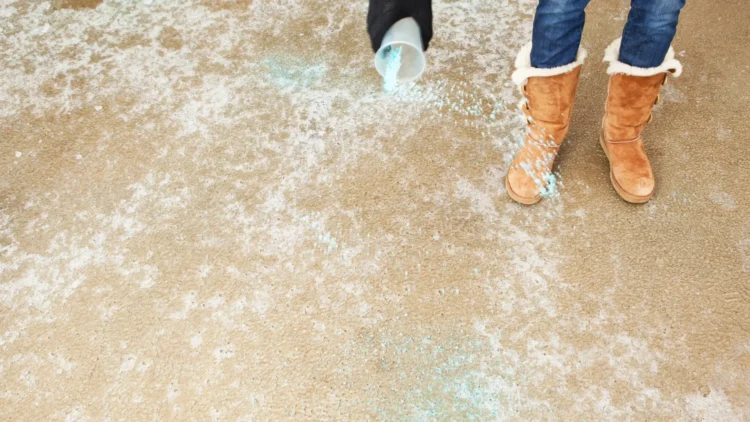
Pet-safe winterizing also means choosing ice-melting products carefully and protecting your pet’s paws. Slippery walkways and icy steps are common winter problems, but the products used to treat them can pose risks to animals.
Many ice melts contain salts, including sodium chloride, calcium chloride and magnesium chloride. These ingredients can irritate paw pads and cause discomfort if pets walk through treated areas. If a dog or cat licks the product from its paws or eats treated snow, it may also cause stomach upset or more serious health problems.
The Animal Poison Control Center (APCC) explains that even products marketed as pet-friendly can cause problems if animals eat enough of them. That’s why reading the label matters.
When choosing an ice melt, look for products labelled pet-friendly and follow the directions carefully. Keep the container securely stored where pets cannot reach it, and avoid spreading more product than necessary.
After your pet spends time outside, wipe its paws with a damp cloth and check between the toes for salt, grit or irritation. This is especially important for dogs that lick their paws regularly!
Keep Antifreeze and Winter Chemicals Out of Reach
Winter yard preparation often involves more than clearing snow. You might top up your vehicle’s fluids, prepare outdoor plumbing or bring gardening products into storage. These tasks can introduce chemicals that are dangerous to pets.
Antifreeze is one of the most important hazards to watch for. Many products contain ethylene glycol, which is highly toxic to dogs and cats. Even a small amount can cause severe poisoning, and the liquid’s sweet taste may attract animals.
According to the ASPCA’s guidance on antifreeze dangers, early signs of poisoning can be easy to miss. Waiting for symptoms to appear can delay treatment when time matters most. To reduce the risk, store antifreeze and other vehicle fluids in tightly sealed containers, away from pets. Check the driveway and garage floor for leaks, drips or spills, and clean them up immediately. If a vehicle is leaking coolant, keep pets away from the area until the problem is fixed.
The same precautions apply to pesticides, herbicides, fertilizers and other garden chemicals. Store them in their original containers, follow label instructions and keep pets away from treated areas for the recommended amount of time.
Even if a product is labelled pet-safe, that does not mean it is harmless if swallowed. When possible, choose less hazardous alternatives and prevent pets from accessing chemicals altogether.
Check Your Plants Before Winter
Pet-safe winterizing also means checking the plants in your yard before winter arrives. A winter garden may look quiet, but shrubs, berries, bulbs and fallen plant material can still attract curious pets. Before the ground freezes, take a look at the plants around your yard. Some common landscaping choices can be toxic to dogs and cats if eaten. Holly, for example, can cause vomiting and diarrhea, while yew plants can cause severe poisoning.
If you have outdoor cats or dogs that like to chew leaves, dig in garden beds or explore fallen branches, pay particular attention to plants within their reach. The ASPCA’s toxic and non-toxic plant database is a useful resource for checking specific plants before bringing them into your yard. Search by the plant’s name, since common names can refer to different species.
Winter garden cleanup is also a good time to remove fallen fruit, berries and other plant material that pets might eat. Don’t assume that something is safe simply because it has dropped from a tree or shrub.
If you’re adding plants for winter colour, research them before buying. Choosing options that are non-toxic to your pets can make your yard easier to manage throughout the year.
Don’t Forget About Leaves, Compost and Mulch
Clearing garden beds and tidying up outdoor spaces are common fall jobs, but not every yard waste pile should be accessible to pets.
Compost can contain food scraps, mouldy material and other substances that may make animals sick. Dogs, in particular, may be tempted to investigate or eat whatever they find. Keep compost bins covered and secure, and dispose of food waste properly.
Mulch also deserves a closer look. Cocoa mulch, made from cocoa shells, can contain compounds that are harmful to dogs if eaten. Its smell may make it especially appealing to curious pets. If you’re refreshing garden beds before winter, consider a different mulch and keep pets away from newly treated areas.
You don’t necessarily need to remove every leaf from your property. However, clearing away wet, decaying piles from areas where pets play can help limit access to mouldy material and make it easier to spot other hazards. Keep the yard tidy without turning fall cleanup into a complete landscaping overhaul!
Make Outdoor Spaces Safer in Snow and Ice
Pet-safe winterizing starts with preparing your yard before snow and ice arrive. Snow can cover more than grass. It can hide sharp objects, garden tools, holes, uneven ground and other hazards that would be easy to spot in warmer weather.
Before the first major snowfall, walk around your yard and remove anything that could injure your pet. Put away hoses, stakes, tools and loose garden decorations. Check fencing and gates for gaps, loose boards or damaged latches that could allow a dog to escape.
If your yard has a pond, pool or other water feature, make sure pets cannot access unsafe ice. A frozen surface is not necessarily strong enough to support an animal, and snow can make it difficult to judge the thickness of the ice. Keep dogs away from frozen ponds and lakes rather than assuming the surface is safe.
Keep a cleared path between the back door and your pet’s designated bathroom area. This is especially helpful for small dogs, senior pets and animals with mobility issues.
Give Pets a Warm, Dry Place to Retreat
Even if your pet enjoys spending time outdoors, winter conditions can quickly become uncomfortable or dangerous. Size, coat type, age and health all affect how well an animal tolerates cold, so there is no single temperature that’s safe for every pet.
The Cornell University College of Veterinary Medicine’s winter safety tips offer guidance on protecting pets from cold exposure. Pet-safe winterizing starts with keeping outdoor visits short during harsh weather, providing a clear path back inside and watching for signs of discomfort, such as shivering, lifting paws or trying to return indoors.
Cats that usually roam outside may also benefit from spending more time indoors. If your pet uses an outdoor enclosure, check that it’s secure and offers protection from wind and snow. Make sure every pet has a warm, dry place to rest indoors.
Read: 5 Ways to Improve Your Home’s Curb Appeal on a Budget
Keep Fresh Water Available
Water is easy to overlook when temperatures fall, especially if your pet spends time in the yard. Outdoor water bowls can freeze, leaving pets without a reliable source of drinking water. Check bowls frequently, replace frozen water and make sure your pet always has access to fresh water indoors.
Avoid letting pets drink from puddles or unfamiliar water sources. Runoff from driveways and walkways may contain de-icers, vehicle fluids or other contaminants. Snow is not a reliable substitute for drinking water, particularly if it has been exposed to road salt or other chemicals.
If you keep a water bowl outside for a dog that uses the yard, place it somewhere sheltered and check it regularly. Bringing the bowl indoors between outdoor visits can also help prevent freezing.
These small habits can make a difference during long stretches of cold weather, when access to clean water may be less convenient than it is in summer.
Prepare Your Yard for Winter Without Overcomplicating It
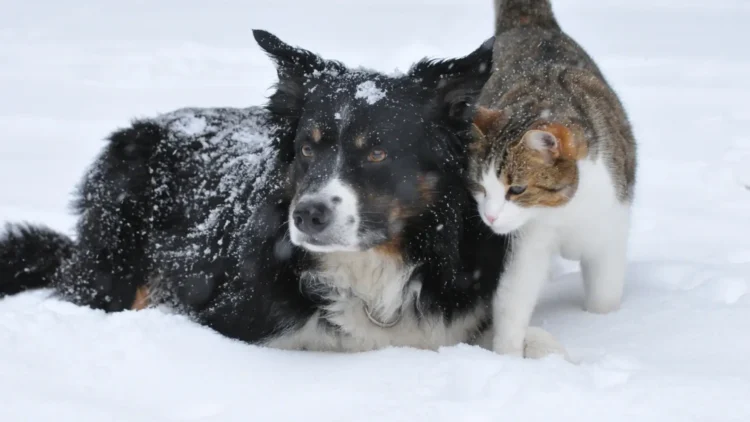
Pet-safe winterizing doesn’t require a complete landscaping overhaul. Focus on the hazards your pets are most likely to encounter, from ice melt and toxic plants to chemicals and objects hidden beneath the snow.
If you suspect your pet has swallowed antifreeze, ice melt or a potentially toxic plant, contact your veterinarian or an emergency veterinary clinic immediately. Don’t wait for symptoms to develop or attempt home treatment without professional guidance.
A little preparation can help you enjoy winter with fewer worries, whether your dog loves running through fresh snow or your cat prefers watching it fall from indoors.
Looking for a home with the right outdoor space for your whole family, pets included? Explore properties on Zoocasa to find a home that suits your lifestyle.
The post Winterizing With Pets in Mind: What’s Actually Safe for Dogs and Cats in the Yard appeared first on Zoocasa Blog.