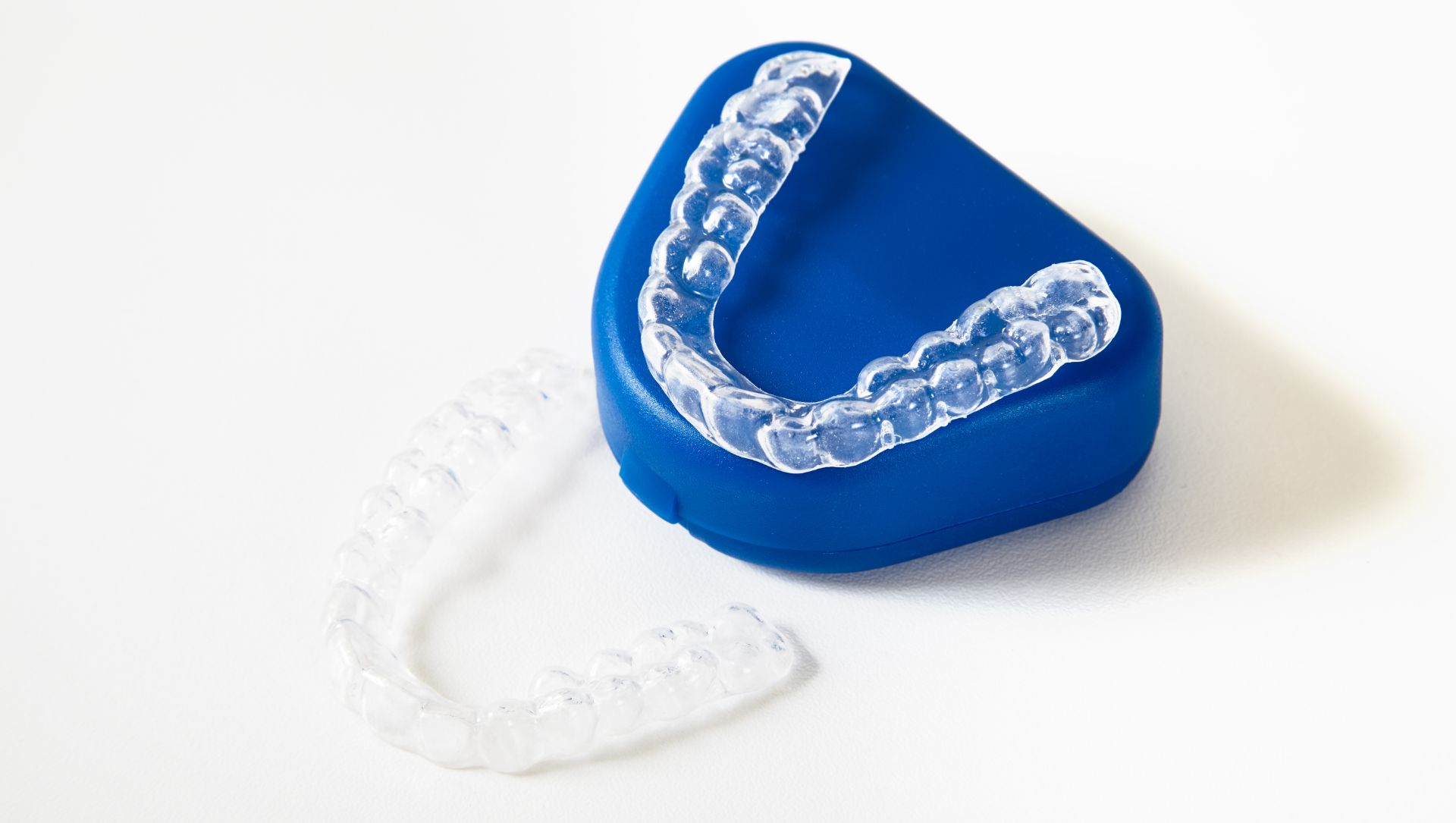

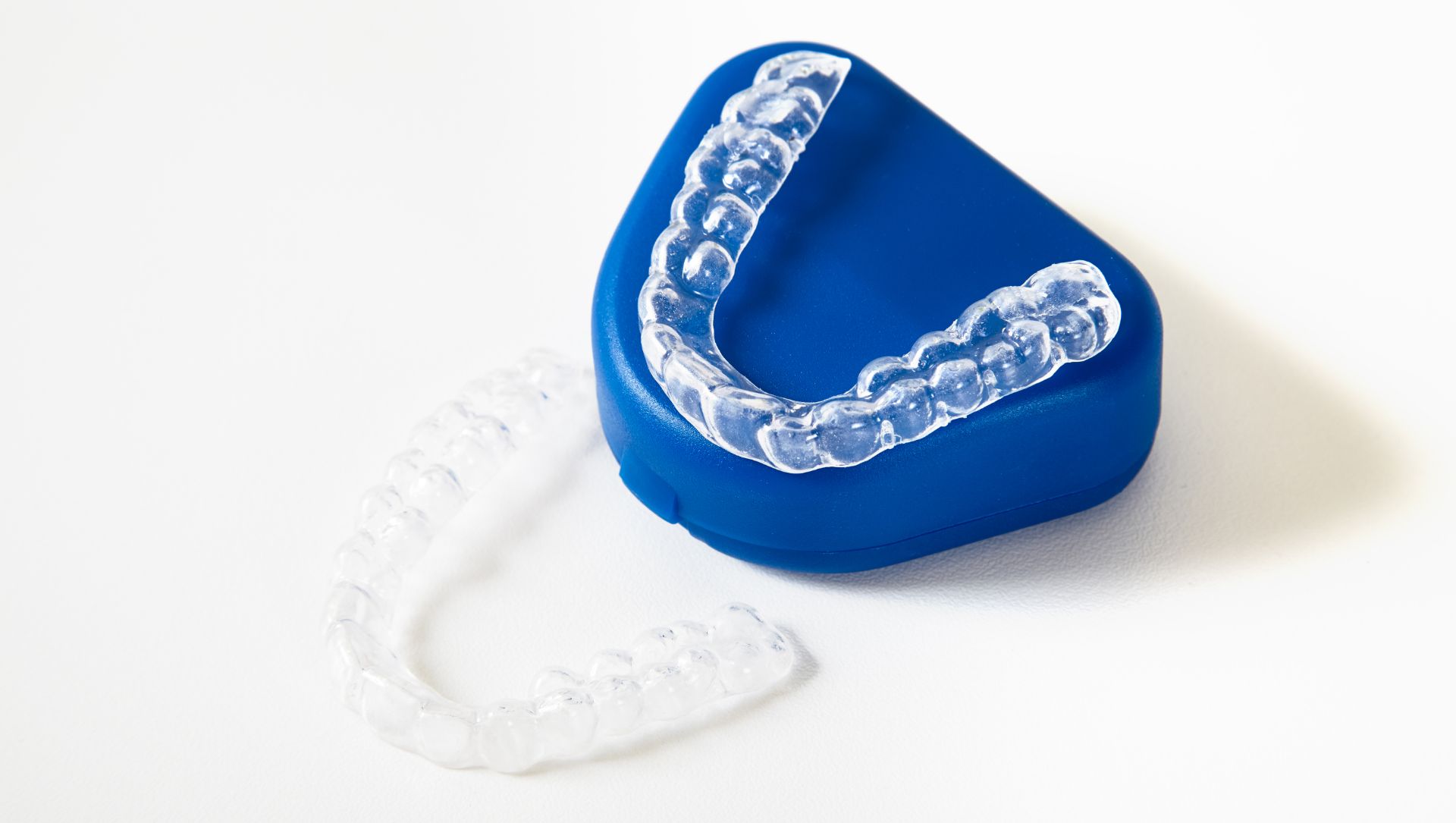
A straighter smile can boost your confidence and improve your overall oral health. As an adult, you may be hesitant to wear traditional metal braces, but with advancements in orthodontics, Invisalign can help you achieve a straighter, healthier, beautiful smile.
Invisalign is a near-invisible alternative to braces and Smile 360 Dental Specialists offers both Invisalign and traditional braces, and we can recommend the best treatment option for your needs.
This comprehensive guide will delve into the key factors to consider when choosing between Invisalign and traditional braces, empowering you to make the best decision for your unique needs and lifestyle.
Understanding Invisalign
Invisalign is a popular orthodontic treatment that uses removable, clear aligners to straighten teeth gradually. These custom-made aligners are designed to fit snugly over your teeth, gently shifting them into place.
Pros of Invisalign:
Discreet and Aesthetically Pleasing: Invisalign aligners are virtually invisible, making them perfect for adults who want to maintain a professional appearance.
Comfortable and Removable: Unlike traditional braces, Invisalign aligners can be removed for eating, brushing, and flossing.
Faster Treatment Time: Invisalign treatment typically takes 12-18 months, compared to traditional braces which can take up to 2-3 years.
Cons of Invisalign:
More Expensive: Invisalign treatment is generally pricier than traditional braces.
Requires Discipline: Invisalign aligners need to be worn for at least 22 hours a day to ensure effective treatment.
What are Traditional Braces? Traditional braces use metal or ceramic brackets and wires to straighten teeth. While they may seem old-fashioned, traditional braces are still an effective option for many adults.
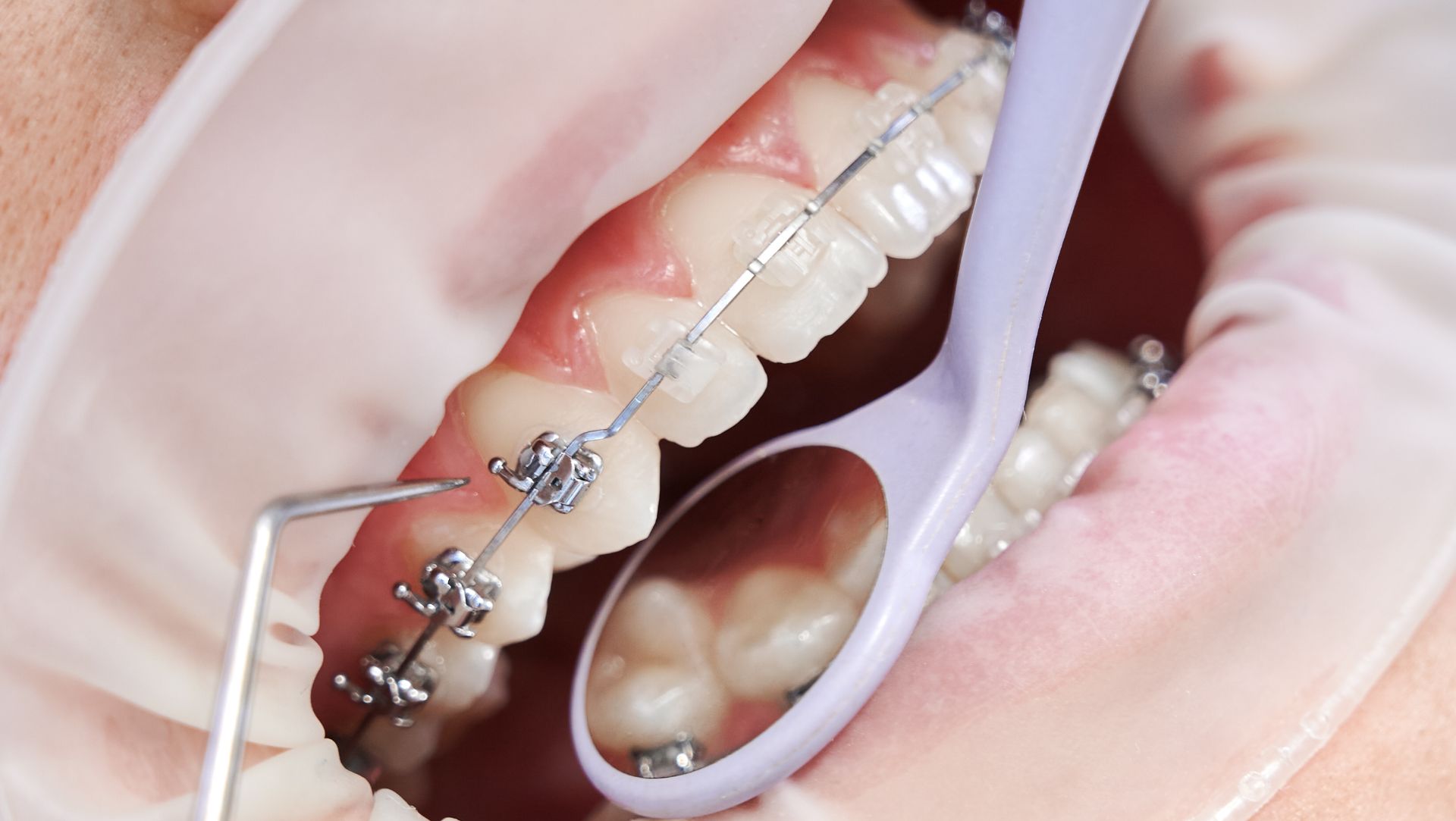
Pros of Traditional Braces:
Cost-Effective: Traditional braces are generally less expensive than Invisalign.
Proven Results: Braces have been used for decades to achieve straighter teeth and correct various orthodontic issues.
Cons of Traditional Braces:
Visible and Noticeable: Traditional braces can be embarrassing for adults who want a more discreet option.
Discomfort and Irritation: Braces can cause mouth irritation and discomfort, especially during the initial adjustment phase.
Choosing the Right Option for Adults
When deciding between Invisalign and traditional braces, consider your lifestyle, budget, and personal preferences. If you want a discreet, comfortable, and faster treatment option, Invisalign may be the better choice. However, if you are on a tighter budget and don’t mind the appearance of braces, traditional braces could be the way to go.
Here are some factors to consider depending on your individual needs and preferences:
Severity of Misalignment: Invisalign may not be suitable for severe cases of misalignment.
Desired Level of Discreetness: If maintaining a professional appearance is a priority, Invisalign’s near-invisibility might be preferable.
Lifestyle and Compliance: Traditional braces require regular adjustments and may necessitate dietary modifications. If maintaining a strict routine is challenging, Invisalign’s removable nature might be a better fit.
Budget: Consider the cost of treatment for both options. Smile 360 Dental Specialists offers flexible payment plans to make orthodontic treatment accessible.
At Smile 360 Dental Specialists, their team of experienced orthodontists will conduct a thorough evaluation of your teeth and discuss your desired outcome to recommend the most suitable treatment option for you.
They offer both Invisalign and traditional braces in our state-of-the-art facility in Lagos and Abuja, Nigeria, providing you with access to the latest technology and internationally trained professionals.
<img src="https://www.mtlblog.com/media-library/a-u-s-flights-sign-at-winnipeg-airport-right-a-canadian-border-services-agent.jpg?id=61534706&width=980"/><br/><br/><p>Although the number of Canadians travelling to the United States has dropped for the seventh consecutive month, many are still planning late-summer and fall trips across the <a href="https://www.mtlblog.com/canada-travel-advisory-united-states-border">Canada–U.S. border.</a></p><p>Whether you're heading stateside to shop, visit family and friends, or take a vacation, it's important to be aware of <a href="https://travel.gc.ca/destinations/united-states">Canada's current travel advisory for the U.S.</a> — and it's surprisingly intense.</p><p>While the official risk level remains unchanged — listed as "Take normal security precautions" — the language of the <a href="https://www.mtlblog.com/canada-travel-advice-for-fall-travel">travel advice</a> is clear: Canadians should be prepared for heightened scrutiny at U.S. border crossings, including the possibility of being detained or having their electronic devices searched.</p><p>The advisory was <a href="https://www.mtlblog.com/canada-border-travel-advisory-us">updated earlier this year</a> in response to <a href="https://www.narcity.com/canada-us-travel-advisory-trump">changes to U.S. entry requirements</a>, reflecting the new hurdles Canadian travellers may face at the border.</p><blockquote class="rm-embed twitter-tweet" data-partner="rebelmouse" data-twitter-tweet-id="1908204249588068417">
<div style="margin:1em 0"></div> — (@) <a href="https://twitter.com/TravelGoC/status/1908204249588068417"></a>
</blockquote>
<script async="" charset="utf-8" src="https://platform.twitter.com/widgets.js"></script> <p>Regardless of whether you're flying, driving or cruising into the U.S., it's essential to be prepared to avoid any surprises, especially since the Government of Canada warns it cannot get involved if you're not permitted to enter the country.</p><p>The advisory makes it clear: "Every country or territory decides who can enter or exit through its borders and the Government of Canada cannot intervene on your behalf if you do not meet entry or exit requirements for the United States."</p><p>Entry is entirely at the discretion of U.S. authorities, and the advisory notes that individual border agents hold "significant discretion" in determining whether each traveller is allowed to proceed.</p><p>The warning states that Canadians should "expect scrutiny at ports of entry, including of electronic devices," and advises that travellers must comply fully and be forthcoming during all interactions with border officials. </p><p>It notes that if a Canadian is denied entry, they "could be detained while awaiting deportation." It's a serious warning that applies to all Canadian travellers, regardless of the reason for their visit.</p><p>Documentation requirements are also detailed within the advisory. For air travel, Canadian citizens must present a valid passport or NEXUS card. This rule applies to all ages, including children. <br/></p><p>For land or water crossings, adults aged 16 and older must carry a valid passport, a Trusted Traveller Program card, an enhanced driver's licence or identification card from a participating province, or a Secure Certificate of Indian Status. Children aged 15 and under may present a passport, a birth certificate, or a Canadian citizenship certificate.</p><blockquote class="instagram-media" data-instgrm-permalink="https://www.instagram.com/p/DB_ZiVoto3T/?utm_source=ig_web_copy_link&igsh=MzRlODBiNWFlZA==" data-instgrm-version="4" style="background:#FFF; border:0; border-radius:3px; box-shadow:0 0 1px 0 rgba(0,0,0,0.5),0 1px 10px 0 rgba(0,0,0,0.15); margin: 1px; max-width:658px; padding:0; width:99.375%; width:-webkit-calc(100% - 2px); width:calc(100% - 2px);">
<div style="padding:8px;">
<div style="background:#F8F8F8; line-height:0; margin-top:40px; padding:50% 0; text-align:center; width:100%;">
<div style="background:url(data:image/png;base64,iVBORw0KGgoAAAANSUhEUgAAACwAAAAsCAMAAAApWqozAAAAGFBMVEUiIiI9PT0eHh4gIB4hIBkcHBwcHBwcHBydr+JQAAAACHRSTlMABA4YHyQsM5jtaMwAAADfSURBVDjL7ZVBEgMhCAQBAf//42xcNbpAqakcM0ftUmFAAIBE81IqBJdS3lS6zs3bIpB9WED3YYXFPmHRfT8sgyrCP1x8uEUxLMzNWElFOYCV6mHWWwMzdPEKHlhLw7NWJqkHc4uIZphavDzA2JPzUDsBZziNae2S6owH8xPmX8G7zzgKEOPUoYHvGz1TBCxMkd3kwNVbU0gKHkx+iZILf77IofhrY1nYFnB/lQPb79drWOyJVa/DAvg9B/rLB4cC+Nqgdz/TvBbBnr6GBReqn/nRmDgaQEej7WhonozjF+Y2I/fZou/qAAAAAElFTkSuQmCC); display:block; height:44px; margin:0 auto -44px; position:relative; top:-22px; width:44px;">
</div>
</div>
<p style=" margin:8px 0 0 0; padding:0 4px;">
<a href="https://www.instagram.com/p/DB_ZiVoto3T/?utm_source=ig_web_copy_link&igsh=MzRlODBiNWFlZA==" style=" color:#000; font-family:Arial,sans-serif; font-size:14px; font-style:normal; font-weight:normal; line-height:17px; text-decoration:none; word-wrap:break-word;" target="_top">See on Instagram</a>
</p>
</div>
</blockquote><script async="" defer="" src="//platform.instagram.com/en_US/embeds.js"></script><p>Following a change to entry requirements in April, Canadians visiting the States for longer than 30 days <a href="https://www.mtlblog.com/canada-usa-30-days-fingerprints">must now be registered with the U.S. government</a>. Failure to comply with this requirement "could result in penalties, fines, and misdemeanor prosecution."</p><p>Once at the border, travellers may be asked to provide the U.S. address where they will be staying. American border officers may also request "evidence of residential, employment or educational ties to Canada," proof that the trip has a "legitimate purpose," and confirmation that the length of stay is reasonable. </p><p>Canadian travellers must also be able to demonstrate that they have "sufficient funds" to cover their visit.</p><p>A significant focus of the advisory is the inspection of electronic devices. According to the Government of Canada, "U.S. border agents are entitled to search your electronic devices, such as your phones, computers or tablets, when you are entering the United States." Notably, they do not need to give a reason to request access, and refusal could result in your device being seized, your entry being delayed, or even denied altogether.<br/></p><p>To mitigate risks, Canadians are advised to "put your device in airplane mode to ensure remote files don't get downloaded accidentally" before reaching the border.</p><p><span></span>The advisory also notes that "most ports of entry to the United States use facial recognition technology" and that "digital fingerprints are required for some travellers." These biometric procedures are part of routine identity verification and should be expected during border screening.</p><blockquote class="instagram-media" data-instgrm-permalink="https://www.instagram.com/p/B9ARM1_AQkF/?utm_source=ig_web_copy_link&igsh=MzRlODBiNWFlZA==" data-instgrm-version="4" style="background:#FFF; border:0; border-radius:3px; box-shadow:0 0 1px 0 rgba(0,0,0,0.5),0 1px 10px 0 rgba(0,0,0,0.15); margin: 1px; max-width:658px; padding:0; width:99.375%; width:-webkit-calc(100% - 2px); width:calc(100% - 2px);">
<div style="padding:8px;">
<div style="background:#F8F8F8; line-height:0; margin-top:40px; padding:50% 0; text-align:center; width:100%;">
<div style="background:url(data:image/png;base64,iVBORw0KGgoAAAANSUhEUgAAACwAAAAsCAMAAAApWqozAAAAGFBMVEUiIiI9PT0eHh4gIB4hIBkcHBwcHBwcHBydr+JQAAAACHRSTlMABA4YHyQsM5jtaMwAAADfSURBVDjL7ZVBEgMhCAQBAf//42xcNbpAqakcM0ftUmFAAIBE81IqBJdS3lS6zs3bIpB9WED3YYXFPmHRfT8sgyrCP1x8uEUxLMzNWElFOYCV6mHWWwMzdPEKHlhLw7NWJqkHc4uIZphavDzA2JPzUDsBZziNae2S6owH8xPmX8G7zzgKEOPUoYHvGz1TBCxMkd3kwNVbU0gKHkx+iZILf77IofhrY1nYFnB/lQPb79drWOyJVa/DAvg9B/rLB4cC+Nqgdz/TvBbBnr6GBReqn/nRmDgaQEej7WhonozjF+Y2I/fZou/qAAAAAElFTkSuQmCC); display:block; height:44px; margin:0 auto -44px; position:relative; top:-22px; width:44px;">
</div>
</div>
<p style=" margin:8px 0 0 0; padding:0 4px;">
<a href="https://www.instagram.com/p/B9ARM1_AQkF/?utm_source=ig_web_copy_link&igsh=MzRlODBiNWFlZA==" style=" color:#000; font-family:Arial,sans-serif; font-size:14px; font-style:normal; font-weight:normal; line-height:17px; text-decoration:none; word-wrap:break-word;" target="_top">See on Instagram</a>
</p>
</div>
</blockquote><script async="" defer="" src="//platform.instagram.com/en_US/embeds.js"></script><p>Ultimately, the advice is clear: take the time to prepare before travelling to the United States this fall. Stay informed, follow all entry requirements closely, and be ready for possible questioning and inspection, particularly at the border. </p><p>The Government of Canada stresses that while information provided is based on U.S. sources, it is subject to change at any time, and Canadians are responsible for staying up to date.</p><p>Canada's full travel advisory for the United States can be found <a href="https://travel.gc.ca/destinations/united-states" rel="noopener noreferrer" target="_blank">here.</a></p><p>It seems that the U.S.'s increasingly strict border protocols — combined with ongoing <a href="https://www.mtlblog.com/tariffs-canada-us-boycott-trump">Canada–U.S. tensions over tariffs</a> and <a href="https://www.mtlblog.com/francois-legault-trump-canada-comments">inflammatory remarks from U.S. President Donald Trump</a> — are having an impact. <br/></p><p>According to <a href="https://www150.statcan.gc.ca/n1/daily-quotidien/250822/dq250822b-eng.htm">Statistics Canada</a>, the number of Canadian residents who returned from the U.S. by car fell by 36.9% in July 2025 compared to the same month in 2024. Air travel also saw a notable decline, with Canadian residents returning by commercial airlines dropping 25.8% over the same period.</p><p>Safe travels, Canada!</p><p><em>This article's cover image was used for illustrative purposes only.</em></p><p><em>AI tools may have been used to support the creation or distribution of this content; however, it has been carefully edited and fact-checked by a member of MTL Blog's Editorial team. For more information on our use of AI, please visit our <a href="https://www.mtlblog.com/editorial-standards" target="_blank">Editorial Standards page</a>.</em></p>
