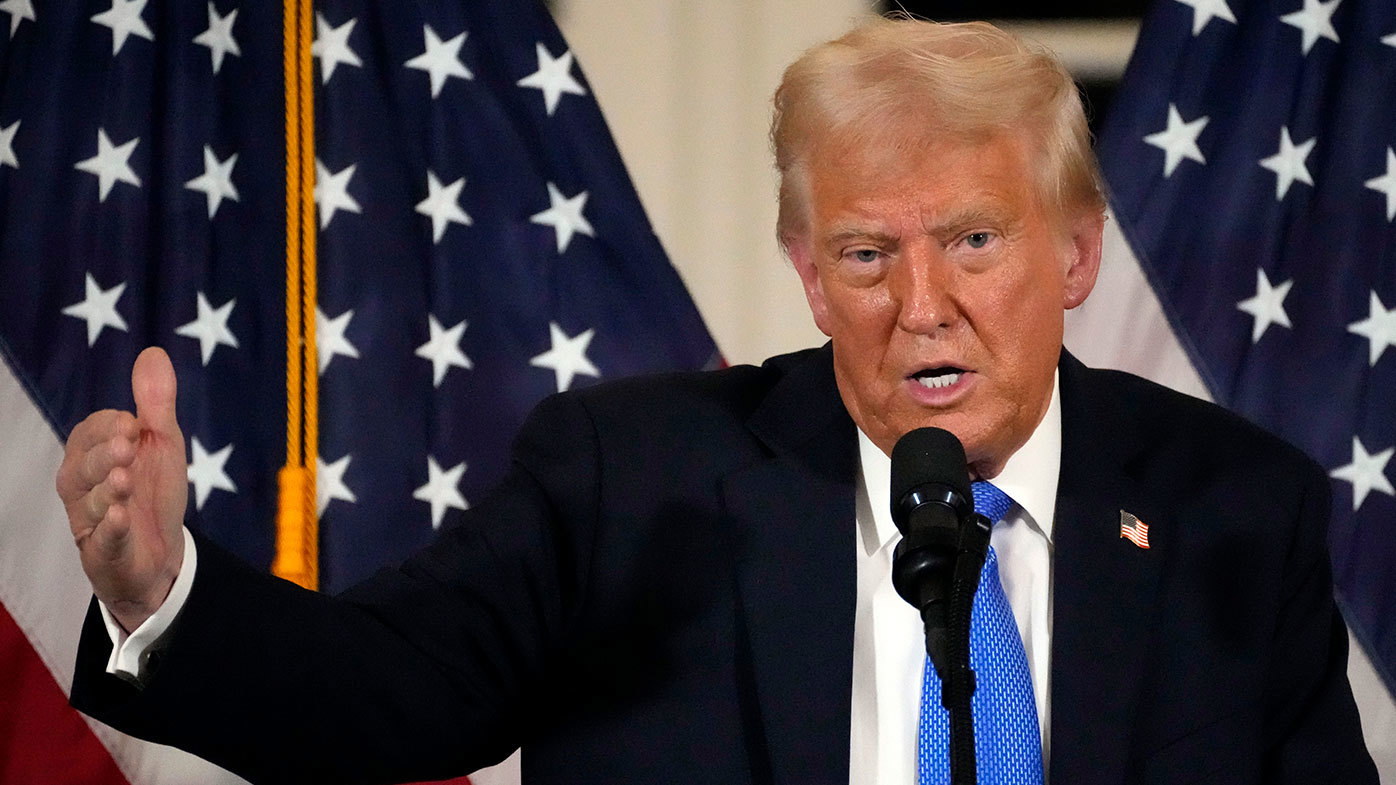

News that Ukraine may be ready to sign a deal granting the US joint development rights to its minerals in the hope of a future security guarantee may be seen as a win by Donald Trump’s supporters who criticised Joe Biden’s unconditional support for Ukraine. After all, whether and how this agreement will actually protect Ukraine from continuing Russian aggression remains unclear.
But Kyiv will be well aware that Trump’s track record as an international deal broker is less than stellar, despite the US president’s regular boast that he is a master deal-maker.
Trump’s self-belief was encapsulated in his ghostwritten memoir, The Art of the Deal, which laid out his tactics to negotiate business transactions. One important tip was: “The best thing you can do is deal from strength, and leverage is the biggest strength you can have.”
Last week, Trump left Zelensky, and European nations reeling when he cut them out of talks with Russia over the war in Ukraine. In doing so, the president had arguably forgotten his own advice: to deal from strength and to use leverage in negotiations.
Trump may have extracted a concession from Ukraine in the form of the mineral deal – although far less than the US$500 billion (£394 billion) of revenue he initially demanded – but in doing so he significantly weakened the US position towards Russia.
Trump not only shattered the western position on Ukraine, but he also unilaterally ended Russia’s three-year isolation without securing any concessions from the Kremlin before inviting them to the negotiating table.
Instead, it was the US that gave leverage away by sidelining Ukraine from the talks, rejecting the country’s desire for Nato membership and conceding that Ukraine was unlikely to restore its pre-2014 borders.
Trump further undermined Zelensky by promoting the false claim that Ukraine started the war and calling him a “dictator”. This week, the US even voted with Russia and China at the United Nations security council over the conflict.
Trump’s criticism of an ally and conciliatory overtures to a country that illegally invaded its neighbour marks a dramatic swing in US policy. The previous US administration provided Ukraine with military and diplomatic support, while imposing economic sanctions on Russia.
A key question being asked in Kyiv and western capitals is what else Trump will concede to secure a deal with the Kremlin. While the contexts between the US’s involvement in Afghanistan and support for Ukraine are very different, Trump’s early strategy for the latter has some hallmarks of the US’s disastrous deal with the Taliban.
Trump’s deal with the Taliban
In response to the 9/11 terrorist attacks, a US-led coalition invaded Afghanistan in October 2001. The allies quickly deposed the repressive Taliban regime and installed a western-backed government.
But by the time that Trump came to office in 2017, the war was at a stalemate. To make matters worse for the president, the US was spending US$27 billion (£21.3 billion) annually on military expenditure. Given this, Trump’s reflex was to withdraw from Afghanistan as quickly as possible.
However, the president’s national security team – largely comprised of former and current military generals who did not owe personal loyalty to Trump – persuaded him to increase the US’s commitment to Afghanistan. The new strategy also set the conditions for a negotiated settlement with the Taliban.
The following year, angered by the lack of progress, Trump argued that the US should “get out” of Afghanistan as the strategy had been a “total failure”.
By this time, the US had talked directly to the Taliban, without the Afghan government in the room – a key Taliban demand. While the talks were designed to lead to intra-Afghan negotiations, it resulted in the Afghan republic being sidelined from the process.
Throughout these talks, Trump frequently threatened to withdraw from Afghanistan. US officials referred to this constant threat as the “Tweet of Damocles” – meaning at any point, the president would announce on Twitter that the US was departing Afghanistan.
The secretary of state at the time, Mike Pompeo – a diehard Trump loyalist – knew the president could pull the plug on the talks at any time. He therefore instructed lead US negotiator, Zalmay Khalilzad, to secure a deal at all costs.
As a former senior Pentagon official who was present at the talks told me, it became clear Pompeo and Khalilzad had “no red lines” as both believed that “any deal was better than no deal”.
Khalilzad abandoned the original Afghan-led process and worked to secure an agreement with the Taliban, which inevitably caused dismay within the sidelined Afghan government. Trump also largely refused to consult the Afghan president, Ashraf Ghani, about his plans.
Compounding matters, the US president made several public statements about his desire to withdraw US forces from Afghanistan. This weakened Khalilzad’s position and encouraged the Taliban to remain resolute in negotiations.
The US-Taliban agreement, which was signed in Doha in February 2020, favoured the insurgents and damaged the Afghan government. Khalilzad had conceded to the Taliban’s key demand: the withdrawal of all US and coalition troops from the country, which was scheduled over 14 months.
In return, the Taliban promised to prevent terrorist groups from basing themselves in Afghanistan and agreed to hold talks with the Afghan government. If the Taliban did not adhere to these conditions, the US would – in theory – halt reducing its troop numbers.
“This was a terrible deal. It was deeply injurious to US interests, let alone ruinous to Afghan interests,” the former Pentagon official told me.
In the end, the Taliban failed to honour its counterterrorism commitments, and only half-heartedly pursued intra-Afghan talks.
The deal set the conditions for the insurgents to retake Kabul by force, although the disastrous withdrawal overseen by the administration of Trump’s successor, Joe Biden, in 2021 proved fatal for the Afghan government.
Trump’s Taliban deal excluded the US’s ally, conceded too much to an adversary, and was partly motivated by the perception of wasting American dollars in a far-off land. Unfortunately, these hallmarks are all too evident in the president’s stance on Ukraine.
The early signs of Trump’s approach to talks with Russia do not augur well for Ukraine or the western alliance. If Trump does secure a peace deal with Russia that mirrors the accord struck with the Taliban, not only will Ukraine lose out, but Russia may be emboldened to again pursue its expansionist agenda.
Philip A. Berry does not work for, consult, own shares in or receive funding from any company or organisation that would benefit from this article, and has disclosed no relevant affiliations beyond their academic appointment.

<img src="https://www.mtlblog.com/media-library/a-tropical-resort-in-punta-cana-at-dusk-featuring-a-winding-crystal-blue-pool-lined-with-tall-palm-trees-and-lush-greenery.png?id=58393694&width=1200&height=600&coordinates=0%2C245%2C0%2C245"/><br/><br/><p class="">If you're planning a spring getaway — whether it's relaxing on a beach in Mexico, exploring historical sites in Italy, or enjoying the nightlife in the Dominican Republic — make sure to check <a href="https://www.mtlblog.com/tag/canada-travel-advisories">Canada's latest travel advisories</a> before you go.</p><p>The Government of Canada has recently updated its <a href="https://www.mtlblog.com/canadian-passport-expiry-warning">travel warnings</a> for several popular destinations, including locations in Europe and <a href="https://www.mtlblog.com/things-montrealers-should-know-travelling-caribbean-mexico">the Caribbean</a>. These advisories range from routine safety recommendations to more serious warnings such as "Avoid non-essential travel" in certain areas.</p><p>While these travel advisories don't necessarily mean you should cancel your trip, they do highlight potential safety concerns — including crime, civil unrest, and infrastructure issues — that could affect your travel experience.</p><p>Some countries, like the United Kingdom and France, continue to carry long-standing <a href="https://www.mtlblog.com/canada-travel-advisories-europe-2025">advisories related to the threat of terrorism</a>. Others, such as Cuba, have seen more recent updates that point to concerns over basic services and traveller safety.</p><p>Whether you're planning a beach holiday or a cultural city escape, staying informed about <a href="https://www.mtlblog.com/canadian-travel-advisories-caribbean">travel advisories</a> can help you plan accordingly and avoid unnecessary risks.</p><p>If you're heading out of the country this spring, here's what you need to know about some of the top destinations that currently come with a travel warning.</p><h3>Dominican Republic</h3><br/><p>Last Updated: March 18, 2025</p><p>Risk Level: Exercise a high degree of caution in the Dominican Republic due to crime.</p><p>Details: The Dominican Republic is a go-to destination for Canadians craving warm beaches and vibrant nightlife, but officials say staying alert is essential. </p><p>Petty theft, like pickpocketing and bag-snatching, happens often, especially in crowded areas and resorts. More serious crimes, including armed robbery and assault, have been reported, particularly after dark. Thieves on motorcycles target pedestrians and even reach into cars at red lights. </p><p>The border with Haiti remains closed, and security near border areas is unpredictable. To stay safe, keep valuables secure, avoid isolated areas at night, and choose accommodations with strong security measures.</p><p><a href="https://travel.gc.ca/destinations/dominican-republic" target="_blank">Dominican Republic Travel Advisory</a></p><h3>Cuba</h3><br/><p>Last Updated: March 18, 2025</p><p>Risk Level: Exercise a high degree of caution in Cuba due to shortages of basic necessities including food, medicine and fuel.</p><p>Details: Thanks to its white-sand beaches, vibrant culture and dreamy resorts, Cuba is a favourite among Canadian tourists. However, if you're visiting this spring, make sure to be prepared for potential challenges.</p><p>Cuba's ongoing power outages and fuel shortages can affect everything from transportation to hotel services, and even finding bottled water or medication could be tricky, so make sure to pack any supplies that are essential to you. </p><p>Petty theft is common in tourist areas, and scams — whether it's overpriced taxis or fake tour operators — are something to watch out for. While violent crime is rare, burglaries and assaults can happen, and solo female travellers may face harassment. </p><p>If you're heading to Cuba, pack essentials, stay in reputable accommodations, and always confirm prices before paying.</p><p><a href="https://travel.gc.ca/destinations/cuba" target="_blank">Cuba Travel Advisory</a></p><h3>Bahamas </h3><br/><p>Last Updated: March 6, 2025</p><p>Risk Level: Exercise a high degree of caution in The Bahamas due to high rates of crime, especially in Nassau and Freeport.</p><p>Details: The Bahamas is the perfect spring vacation destination for many Canadian travellers, thanks to its warm weather, turquoise waters, white-sand beaches, and all-inclusive resorts. But while it's a beautiful place to visit, crime remains a concern —especially in places like Nassau and Freeport, where reports of theft, armed robbery, and even violent attacks have been recorded, sometimes in broad daylight.</p><p>Petty crime, such as pickpocketing and bag snatching, is common in tourist areas, cruise ship terminals, and busy marketplaces. Thieves often target visitors withdrawing cash from ATMs, and even hotel safes have been compromised in some cases. During festivals, regattas, and holiday periods, crime tends to spike, making it especially important to stay alert.</p><p>Officials say women should be particularly cautious, as incidents of sexual assault have occurred, even at big resorts.</p><p><a href="https://travel.gc.ca/destinations/bahamas" target="_blank">Bahamas Travel Advisory</a></p><h3>United Kingdom</h3><br/><p>Last Updated: March 20, 2025</p><p>Risk Level: Exercise a high degree of caution in the United Kingdom due to the threat of terrorism.</p><p>Details: Before you go exploring London's iconic landmarks, visiting historic castles, and, of course, enjoying a traditional Sunday roast, make sure to check the Government of Canada's latest travel advisory for the U.K.</p><p>The U.K. has experienced multiple terrorist attacks in recent years, some involving knife attacks, vehicle rammings, and explosions in busy public areas. While most incidents have occurred in London, other cities have also been affected. High-risk locations include government buildings, transportation hubs, shopping centres, and crowded tourist attractions. </p><p>Petty crime is another issue, especially in London. Restaurants, pubs, and hotel lobbies are prime targets, so never leave bags on chairs or unattended. Vehicle theft and theft from parked cars, particularly in roadside rest areas, have been reported.</p><p>Demonstrations happen frequently and can escalate quickly, sometimes leading to clashes with security forces.</p><p><a href="https://travel.gc.ca/destinations/united-kingdom" target="_blank">United Kingdom Travel Advisory</a></p><h3>Mexico</h3><br/><p>Last Updated: March 18, 2025</p><p>Risk Level: Exercise a high degree of caution in Mexico due to high levels of criminal activity and kidnapping.</p><p>Details: Mexico is one of the most popular spring destinations for Canadians looking for sun, golden beaches, and delicious food, but safety remains a concern in some areas. </p><p>The Canadian government advises against non-essential travel to several areas due to high levels of organized crime and violence. Even in popular tourist areas, violent incidents have occurred in restaurants, hotels, and nightclubs. Armed robberies, assaults, and petty theft are common, especially in busy areas like airports and public transit. Border regions are particularly risky, with reports of illegal roadblocks and armed clashes. </p><p>If you're heading to Mexico, stay in secure accommodations, avoid travelling at night, especially alone, and remain extra cautious.</p><p><a href="https://travel.gc.ca/destinations/mexico" rel="noopener noreferrer" target="_blank">Mexico Travel Advisory</a></p><h3>France</h3><br/><p>Last Updated: March 17, 2025</p><p>Risk Level: Exercise a high degree of caution in France due to the elevated threat of terrorism.</p><p>Details: Whether you dream of sipping coffee in a Parisian cafe, strolling through historic streets, or visiting world-famous landmarks like the Eiffel Tower, France is a bucket-list destination for many Canadians. But while it offers incredible experiences, officials warn that crime and terrorism remain a concern.</p><p>France has seen multiple terrorist attacks in recent years, some planned and others opportunistic. The country is currently at its highest alert level, meaning another attack is considered likely. Public places such as government buildings, religious sites, markets, and busy transit hubs are at higher risk. </p><p>In response, armed military patrols are stationed in major cities, particularly in Paris, where security has been increased at key tourist attractions. Travellers should remain vigilant, especially at large events and during religious celebrations.</p><p>Petty crime, including pickpocketing and purse-snatching, is common, particularly in crowded areas like the Paris Metro, train stations, hotel lobbies, and tourist hotspots. Thieves often work in groups and use distraction tactics like spilling drinks or asking for help to steal valuables.</p><p><a href="https://travel.gc.ca/destinations/france" rel="noopener noreferrer" target="_blank">France Travel Advisory</a></p><h3>Costa Rica</h3><br/><p>Last Updated: March 18, 2025</p><p>Risk Level: Exercise a high degree of caution in Costa Rica due to crime.</p><p>Details: Costa Rica's lush rainforests, stunning beaches, and incredible wildlife make it a top travel destination for many, but officials say crime remains a concern. </p><p>Pickpocketing, purse-snatching, and passport theft are common, especially in busy tourist areas, public transit hubs, hotel lobbies, and restaurants with outdoor seating. What's more, incidents tend to spike during peak tourist seasons like spring break.</p><p>Certain areas of San José, the Pacific Coast (Jacó, Manuel Antonio, Montezuma), and the Caribbean Coast (Puerto Limón, Puerto Viejo) are known for higher theft rates. Residential break-ins, including at rentals, also occur, so travellers should choose accommodations with strong security and lock doors and windows.</p><p>Car break-ins and theft are widespread, particularly in supermarket and restaurant parking lots, national parks, and beaches. Rental cars are frequent targets, and roadside scams involving staged flat tires have been reported.</p><p>Violent crime, including armed robberies and assaults, occurs, often linked to drug trafficking. Provinces like San José, Limón, and Puntarenas have higher crime rates.</p><p><a href="https://travel.gc.ca/destinations/costa-rica" rel="noopener noreferrer" target="_blank">Costa Rica Travel Advisory</a></p><h3>Thailand</h3><br/><p>Last Updated: March 6, 2025</p><p>Risk Level: Exercise a high degree of caution in Thailand due to ongoing political tensions and sporadic demonstrations in Bangkok and elsewhere in the country.</p><p>Details: If the latest season of <em>White Lotus</em> has you dreaming of a Thai escape this spring, listen up! The country is known for its stunning beaches, bustling cities, and vibrant nightlife, but Canadian travellers should stay alert to political instability and crime.</p><p>The Canadian government advises avoiding all travel to Narathiwat, Pattani, Songkhla, and Yala due to ongoing separatist attacks, including bombings and shootings. Martial law is in place, allowing authorities to impose curfews and detain suspects without charge. Border areas near Myanmar and Cambodia can also be unpredictable, with occasional violence and sudden closures. </p><p>Political demonstrations, particularly in Bangkok, can escalate quickly. Authorities have the power to ban gatherings, impose curfews, and restrict movement. Travellers should avoid large protests, as officials have used force in the past. </p><p>Petty crime, such as pickpocketing and bag-snatching, is common in markets, transit hubs, and tourist areas. Budget guesthouses have reported break-ins, and thefts can occur on long-distance buses. Tourists have also been targeted during Full Moon Parties on Koh Pha Ngan, with reports of robberies, assaults, and drink spiking. </p><p><a href="https://travel.gc.ca/destinations/thailand" rel="noopener noreferrer" target="_blank">Thailand Travel Advisory</a></p><h3>Italy</h3><br/><p>Last Updated: March 14, 2025</p><p>Risk Level: Exercise a high degree of caution in Italy due to the threat of terrorism.</p><p>Details: Before heading off on your dream European getaway to Italy, make sure you've checked the government's latest travel advisory for the country. Despite its charming small towns, dreamy vistas and world-class pizza and pasta, there are some things to be aware of.</p><p>Petty crime is widespread in Italy, especially in tourist hotspots, train stations, and restaurants. Pickpockets and bag snatchers often use distraction tactics, so keep an eye on your belongings and be cautious of overly friendly strangers.</p><p>Rental cars are common targets for theft, and scammers operate in busy areas. While violent crime is rare, sexual assaults have occurred, including against tourists. </p><p>Italy, like the rest of Europe, faces a potential terrorist threat, with public spaces and major events considered possible targets. With the upcoming Jubilee 2025 set to bring massive crowds to Rome, expect increased security and potential disruptions.</p><p><a href="https://travel.gc.ca/destinations/italy" target="_blank">Italy Travel Advisory</a></p><p><em>Before you get going, check out our <a href="https://www.mtlblog.com/responsible-travel-guidelines" target="_blank">Responsible Travel Guide</a> so you can be informed, be safe, be smart, and most of all, be respectful on your trip.</em></p><p><p><em>AI tools may have been used to support the creation or distribution of this content; however, it has been carefully edited and fact-checked by a member of MTL Blog's Editorial team. For more information on our use of AI, please visit our <a href="https://www.mtlblog.com/editorial-standards" target="_blank">Editorial Standards page</a>.</em></p></p>
WASHINGTON, DC – NOVEMBER 18: U.S. Secretary of War Pete Hegseth looks on during a bilateral meeting between U.S. President Donald Trump and Crown Prince…
<p>Solar expert Ogunkunle has stressed the need for businesses to use heavy-duty batteries for demanding appliances, to prevent potential disintegration.</p>
<p>The post <a rel="nofollow" href="https://www.arise.tv/solar-energy-expert-ogunkunle-calls-for-policy-focus-on-battery-recycling-safety-standards-in-nigeria/">Solar Energy Expert Ogunkunle Calls for Policy Focus on Battery Recycling, Safety Standards in Nigeria</a> appeared first on <a rel="nofollow" href="https://www.arise.tv">Arise News</a>.</p>