

Don’t leave anything up to chance if you’re heading to France on your next holiday. Read on to find out what the requirements are for driving or hiring a car in France.
Requirements for driving in France
Before you head off on your driving trip in France, make sure you’ve examined all the rules and requirements, as there are many.
Documents to carry with you
Below is a summary of everything you’ll need for driving in France:
- Valid UK photocard driving licence
- Valid Proof of ID or National ID Card for EU citizens
- V5 original vehicle registration document (aka the log book)
- Car insurance certificate
- Vehicle on Hire Certificate (VE103) if the vehicle you’re driving is borrowed, hired, leased, or a company car
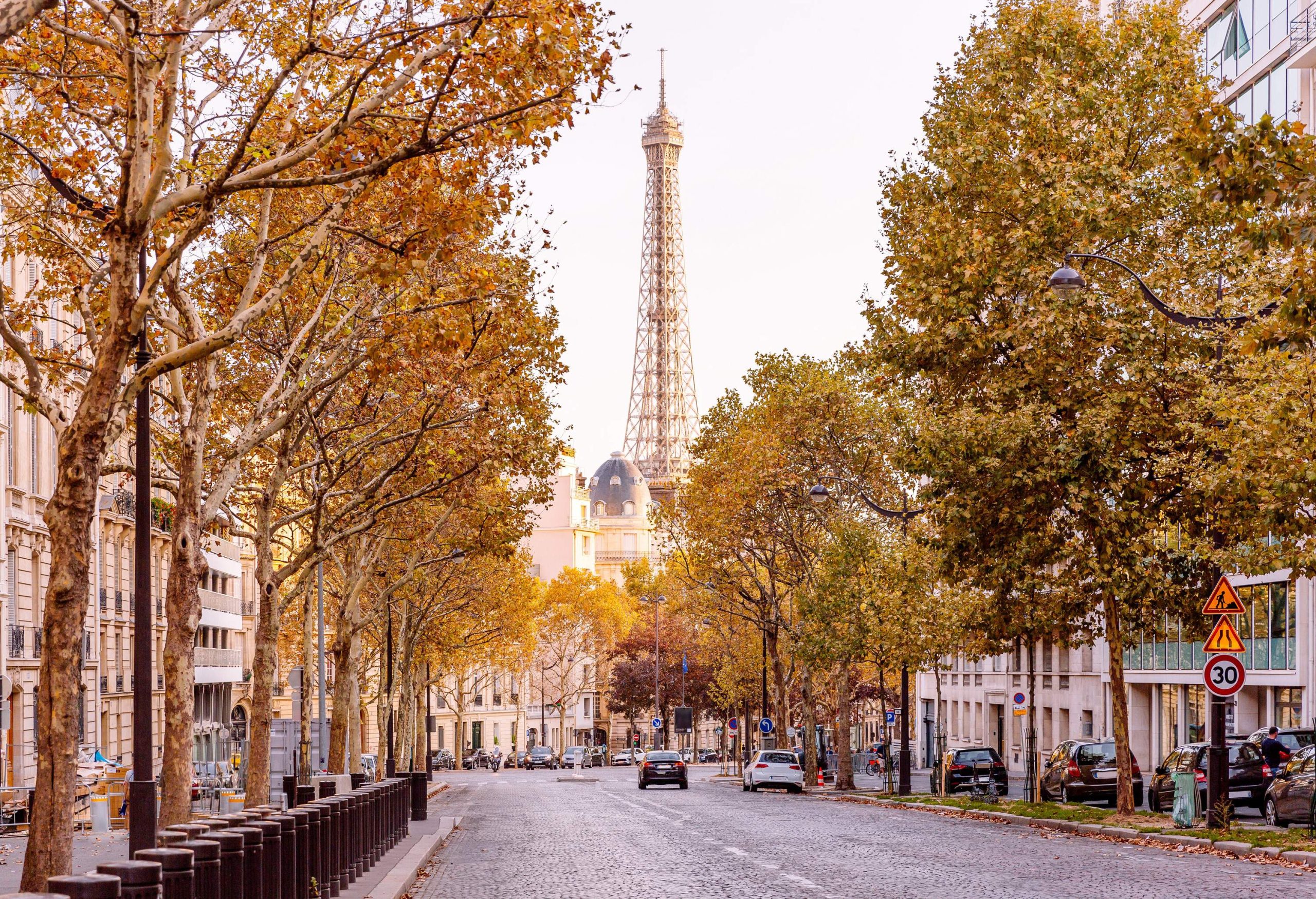
- Crit’Air vignette (necessary if you’ll be driving to one of the changing environmental zones such as Paris, this badge gives your car a classification based on your vehicle’s emissions. If you have an older vehicle, you might be prohibited from driving in certain cities on designated days and times)
- A UK sticker on your car (you don’t need the sticker if your number plate includes “UK”).
Car equipment
In addition to the above documents, you should also keep these items in your car:
- Warning triangle
- High-visibility jacket
- Spare bulbs for headlights and indicator lights
- Headlight beam deflectors
- First aid kit
Other seasonal requirements include:
- Winter tyres or snow chains (if you’re driving in a ‘Snow Zone’ between November 1 and March 31)
What’s forbidden on French roads compared to the UK?
While the fundamental rules for driving in France are similar to the UK, there are some specific differences. In particular, there are some rules and regulations about driving you should be aware of:
- It’s illegal to use any devices capable of detecting speed cameras. This includes GPS systems and mobile phone apps. Make sure you’ve disabled them before driving or you could be liable to a fine and having the device confiscated
- Eating and drinking is prohibited while driving
- Going barefoot or wearing flip-flops isn’t allowed
- Using a phone while driving without a hands-free kit is illegal, even if you’ve stopped the car unless it’s in a designated parking space
Driving to France from the UK
Are you planning on going to France with your own car from the UK? You’re in the right place. Here’s all the information to make your journey as smooth as possible.
The easiest way to drive to France
The easiest way to cross from the UK into France is through the Channel Tunnel that connects Folkestone in Kent with Coquelles, close to Calais. The crossing happens on board the car-carrying Eurotunnel Le Shuttle train. There are up to four departures an hour, 24 hours a day, and the ride takes around 35 minutes.
The cost depends on a few factors including size of vehicle, month and time of day, but generally ranges from around £60 for a small car, one way overnight ticket to £275 for a fully flexible fare.
Things to know when driving to France from the UK
If you travel to France with your own car from the UK, the first thing to know is that you should drive on the right side of the road. As part of that, you may need to adjust the angle of your headlights. Most modern cars have a dial around the dashboard allowing you to raise and dip your headlights as you need.
With the UK no longer in the EU, there are restrictions on what food you can bring into France. For example, it’s forbidden to cross the border with meat and dairy products. If you want to bring fresh fruits, vegetables, and plants, you’ll have to get permission and pay for the privilege. To be on the safe side, don’t bring any food with you into the Tunnel. You’re going to France – there’ll be plenty of great food available, I promise!
Hiring a car in France
Here’s what you need to know if you prefer to leave your car at home and hire a vehicle in France.
What do you need to hire a car in France?
You must be at least 21 years of age, although some car hire companies might have a higher age limit. Below is a list of the requirements for hiring and driving in France:
- Valid UK driving licence (a full licence that you’ve had for at least a year)
- International Driving Permit (if you don’t hold a mainland UK driving licence)
- Valid passport as identification
- Credit card (although some rental agencies accept debit cards)
- Third-party liability insurance (this is usually included in the car hire contract)
Tips for hiring a car in France
There are a few things to watch out for when hiring. Rental policies usually include unlimited third-party insurance, which is a requirement for driving in France. For any additional insurance cover, it’s best to do some research and shop around – buying it over the counter will be pricier.
If you’re planning on driving in more than one country, tell the car hire company in advance. You should also double check your insurance covers you in every country you’ll be driving in.
When you pick up the car, inspect it in detail and take note of any marks or scratches. Take photos and video, inside and out, and don’t forget the windscreen and roof. On returning it, repeat the process so you have proof of the condition you returned it in. Remember that if you pick up a car with a full tank, you must also return it with a full tank to avoid refuelling charges.

Rules for driving in France
| Road type | Speed limit | When it rains |
|---|---|---|
| City & built-up areas | 50 km/h (30mph) | 50 km/h (30mph) |
| Main roads | 80 km/h (50mph) | 70 km/h (43 mph) |
| Priority roads & dual carriageways | 110 km/h (70mph) | 100 km/h (62 mph) |
| Motorways | 130 km/h (80mph) | 110 km/h (68 mph) |
Motorways & road tolls
French motorways are privately owned by a number of companies and usually require a toll payment. This can be paid in cash or by card, though only Mastercard and Visa are accepted, while Maestro and Electron debit cards are not. You’ll find three types of service area along the motorways: parking areas, resting areas with playgrounds and toilets, and full-service areas with shops and petrol stations.
In case of an emergency on the motorway, you can’t call your own breakdown company but must use one of the orange emergency telephones to request help. These are situated every 2km along the all motorways.
Roundabouts
In France there are two styles of roundabout with slightly different rules on who gets right of way. The new-style roundabouts work as they do in the UK, with the priority to vehicles already on the roundabout.
With old-school “priorité à droit” roundabouts, any vehicles already on the roundabout must give way to vehicles entering to their right. These roundabouts are less common nowadays. You can usually recognise these roundabouts by a sign in the shape of a triangle with a red border and black X in the middle.
The most famous (and infamous) ‘priorité à droit’ roundabout in France circles the Arc de Triomphe in Paris. A challenge and sometimes a nightmare to navigate, it’s a right of passage on any French road trip!
Alcohol allowance & drink driving
The rule in France is ‘Celui qui conduit, c’est celui qui ne boit pas’, meaning ‘The one who drives is the one who doesn’t drink’. It’s an important rule that the police take very seriously.
The maximum blood alcohol level is 0.05% – 50 mg of alcohol in 100 ml of blood. While that’s the same as for drivers in Scotland, it’s lower than the limit in England, Wales and Northern Ireland. In reality, the best rule is of course to drink no alcohol at all if you’re driving.
Child seat regulations
Children up to the age of 10 must travel in a child seat or restraint. Infants up to 13 kg need to be in a rear-facing child seat. Kids weighing up to 18kg should be in a child seat equipped with a protection tray or five-point harness. And children up to 36kg must be in a booster seat or booster cushion with an adult seatbelt to protect them.
Low emission zones
Some cities such as Paris, Toulouse and Lyon feature Low Emission Zones. In these zones, petrol and diesel cars registered before 2011 are banned from driving on weekdays from 8am to 8pm. Lorries and buses older than 1997 are also banned from driving inside these zones. Driving in them with an unauthorised vehicle can lead to fines from €68 to €450 – around £60 to £385.

Parking
If you’re looking to park on a road with traffic running in both directions, you’re must park on the right-hand side. On the other hand, if the street is one way you can park on either side, as long as it’s wide enough. Keep an eye out for yellow lines on the curb that indicate spots where parking is prohibited.
Make sure to read the signs about paying for parking. You’ll usually see a big ‘P’ on the parking meter, or ‘horodateur’, if you have to pay. Otherwise there will be signs depicting a parking meter, usually in the bottom right hand corner. Disabled drivers have dedicated spots and do not have to pay for car parking.
Fuel
Knowing the French names for the different types of fuel can help you avoid the nightmare scenario of filling up with the wrong petrol.
- Petrol is called Essence (usually labelled as super / super 97)
- Unleaded petrol is called Sans Plomb (usually labelled as SP95 & SP98)
- Diesel is called Gazole or Gasoil
GPL is also available, and in some locations so are electric charging stations. You can usually pay by cash or by card, but some cards issued abroad aren’t always accepted by automated machines. The moral – make sure you have enough cash to cover the fuel, especially when driving on Sundays.

Driving in France FAQs
To drive in France you must be at least 18 years of age, or 21 when hiring a car. You must also have with you a valid UK driving licence, or International Driving Permit if you don’t hold a mainland UK driving licence, and your passport as a form of ID. In addition, you must have a Green Card insurance certificate for your car.
If you want to hire a car in France you must hold a full UK driving licence that’s at least one year old. You also need a credit or debit card and unlimited third-party insurance. After Brexit, you’ll also need your passport for identification and an International Driving Permit if you don’t hold a mainland UK driving licence.
After Brexit you can still drive as a tourist in France using your British driving licence, as long as you also present an International Driving Permit (if you don’t hold a mainland UK licence). If you’re driving your own car you must also have a Green Card insurance certificate.
To hire a car in France you must be 21 years or older. If you’re in any doubt, check in advance with the car rental company, as there may be other factors to consider beyond driver age.
If your number plate includes ‘UK’ on it, you don’t have to display a UK sticker on your vehicle. But it is mandatory to inform other drivers, in a visible way, that your car is from the UK.
Since the 22nd of May 2020, it is no longer mandatory to carry a breathalyser in your car when driving in France.
British passport holders living in or wishing to travel to the EU, and EU nationals living in or wishing to travel to the UK, since January 1, 2021 should check all travel-related information on the official government webpage to inform themself about information pertinent to Brexit when making travel decisions.
Popular car hire locations in France
The post Driving in France appeared first on KAYAK Blog UK.
