 Couple getting married
Finally, it’s happening; the “wait until your late 20s, you’ll go to 15 weddings a year” people are being proven right.
Joy! I love love, and I consider myself privileged to be invited to anyone’s wedding (after all, they’re not cheap and are rarely easy). I adore all my friends’ partners, which is rare, and am thrilled they’re getting married.
Still, I keep noticing a trend, even among my most feminist, keenly socially active straight mates; the women are doing all the work, and the work never ends.
60% of respondents to a Wedshed poll said brides-to-be still do the lion’s share of the work. A site entry by Brides & Grooms Direct teaches a beleaguered fiancée “how to get a reluctant groom involved” in their big day.
A Redditor puts words to a sentiment I’ve heard too often from exasperated friends: “I’m probably lucky that he’s helping at all, but he truly thinks he’s putting in equal work by executing tasks that I assign.”
I knew gender roles would kick in – I just didn’t expect it to be so early
It’s no secret that self-proclaimed “liberal-minded” straight couples often fall into old-fashioned gender roles when it comes to childcare. Some of that is down to the unavoidable realities of pregnancy and birth, but a lot is thanks to chore inequality.
Though more and more of us say we think women and men should contribute equally to the household, 63% of women self-report doing most of the work at home compared to 22% of men.
I expected those bumps to show up over time. I was ready for my straight women friends to call me about unfair feeding schedules and frustrating double standards – years down the line.
But I’ve been shocked to see that all too often, the demands on women – all women, not just the bride – come as soon as the proposal is over.
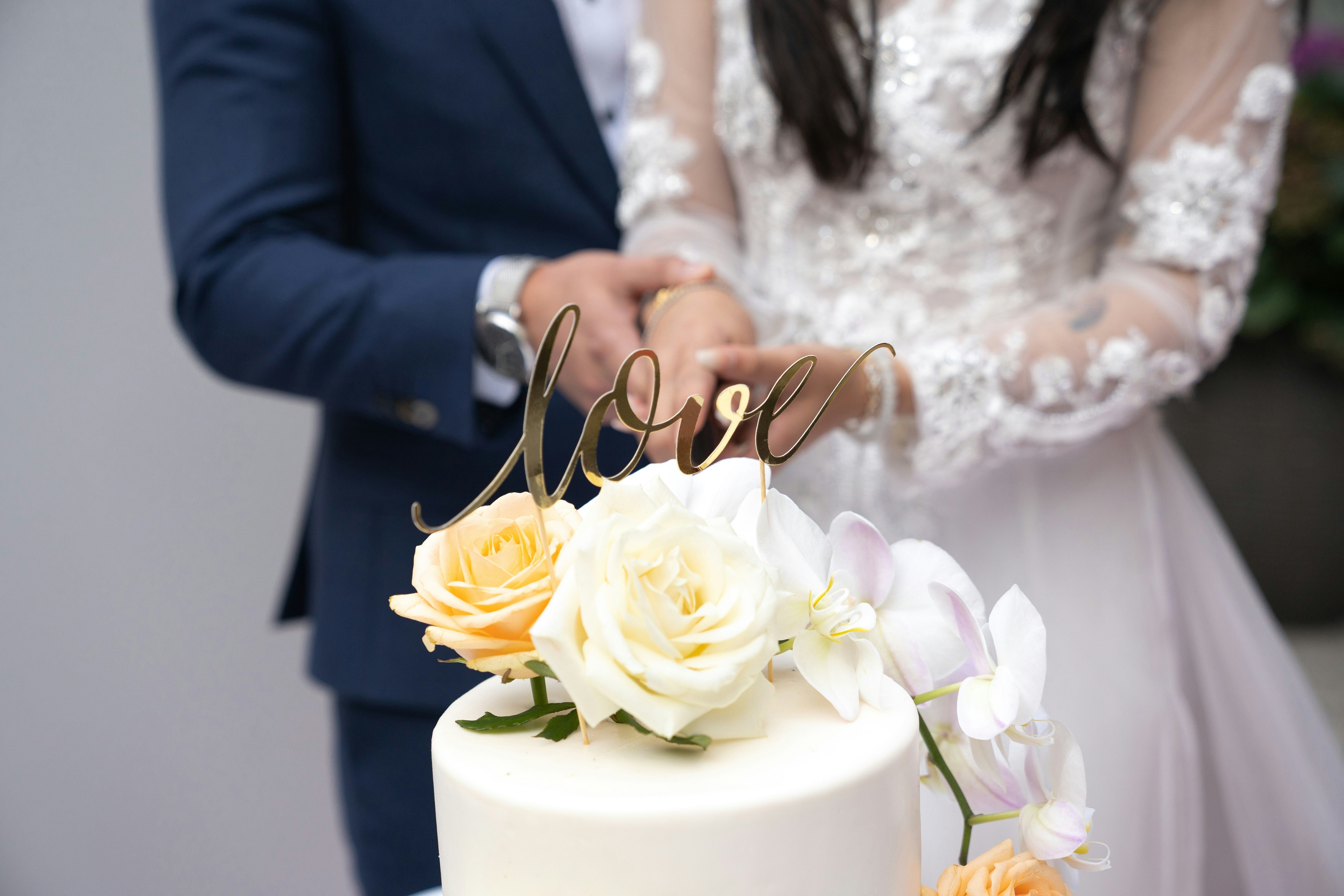
A lot of the time, the bride-to-be kicks into event planning mode ASAP. The venue, the dress, the food, the guests, the music, the venue, the cake, the flowers, the clothes (both hers and his groomsmen’s) and the decor are too often seen as the “woman’s job”; fine if you like that, but beyond exhausting if you don’t.
Meanwhile, I have seen the girlfriends of groomsmen organise the boys’ stag planning sessions, the wives of best men flat-out write their speeches, and the mothers of family friends plan, dress, and organise their whole households’ timely arrival at the wedding.
I know not everyone has the same “ideal” wedding, and that some men really do go above and beyond. I’ve seen some truly delightful behaviour from my friends’ fiancés in the past.
But I’d be lying if I didn’t say I’ve been shocked by how unfair some pals, who also expected and explicitly mentioned wanting more help on the big day, have found the process.
I no longer believe in “bridezilla” tropes. I have seen too many exhausted, burnt-out friends simply snap under the sometimes huge burden of planning.
There are ways out
Wed Magazine writes that, “It’s fair to say that, traditionally, grooms have taken quite the back seat when it comes to wedding planning.”
One way out, they add, is for grooms to become proactively involved in the planning; “discuss what you both want from the day and how to utilise your respective strengths and weaknesses.”
The most equal wedding planning I’ve seen looked a lot like great household management; careful consideration of the tasks at hand, thorough respect for your partners’ time, and never slipping into “automatic gear” when it comes to assuming what your partner “should” want to do.
That can look different to everyone, and some of my friends genuinely prefer to take the helm – who am I to judge that?
But just as emotional and cognitive labour and housework still largely fall to women in straight couples, I have to admit, I’ve become pretty angry after realising how much it can affect their weddings too.
Related…