
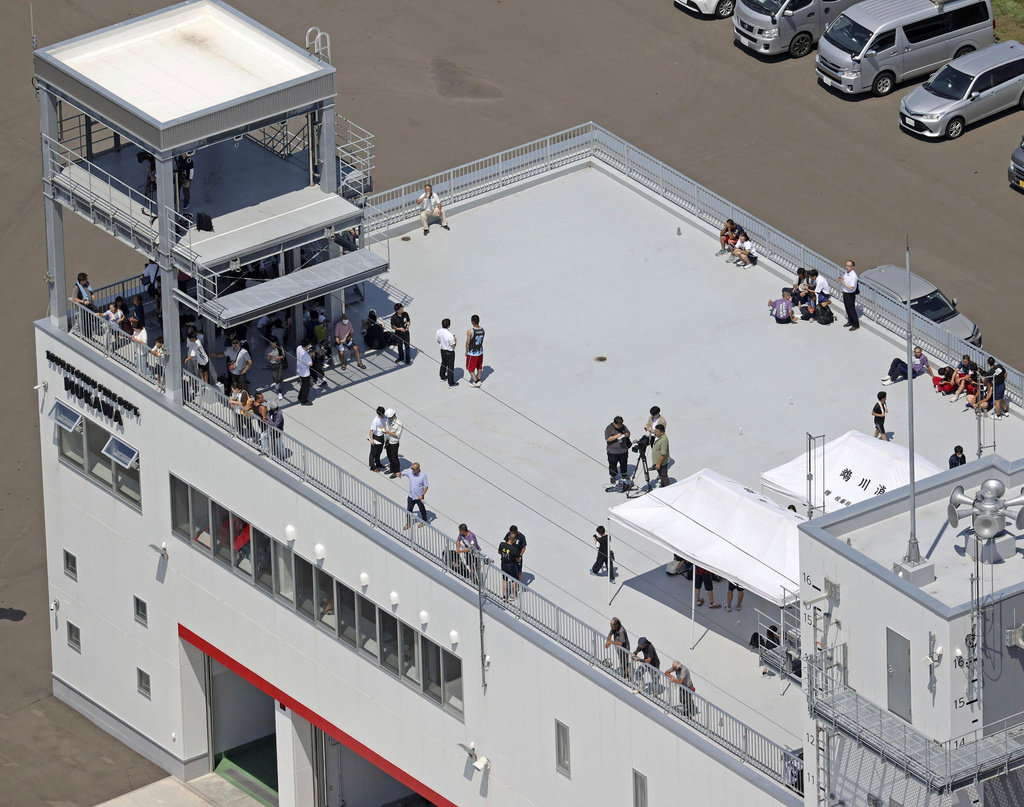

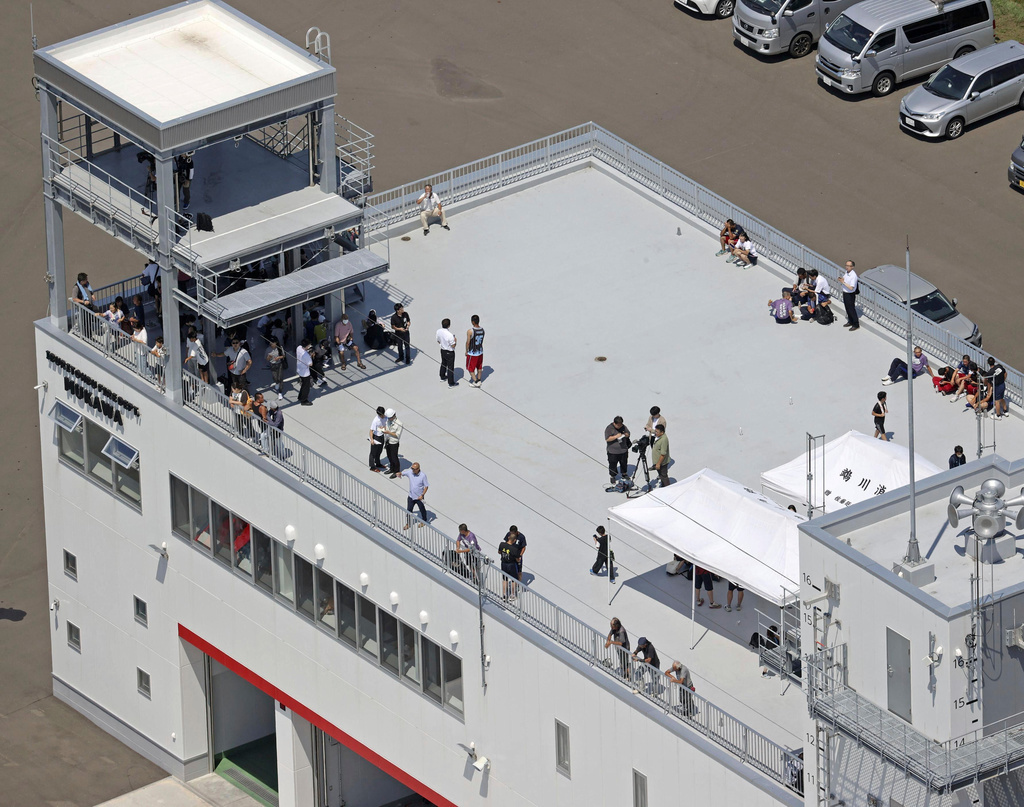
One of the strongest earthquakes ever recorded struck off Russia's sparsely populated Far East early on Wednesday, sending tsunami waves into Japan, Hawaii and the US West Coast.
Several people were injured, but none gravely, and no major damage has been reported so far.
Authorities warned the risk from the 8.8 magnitude quake could last for hours, and millions of people potentially in the path of the waves were initially told to move away from the shore or seek high ground.
READ MORE: Magnitude 4.8 earthquake felt in parts of Western Australia
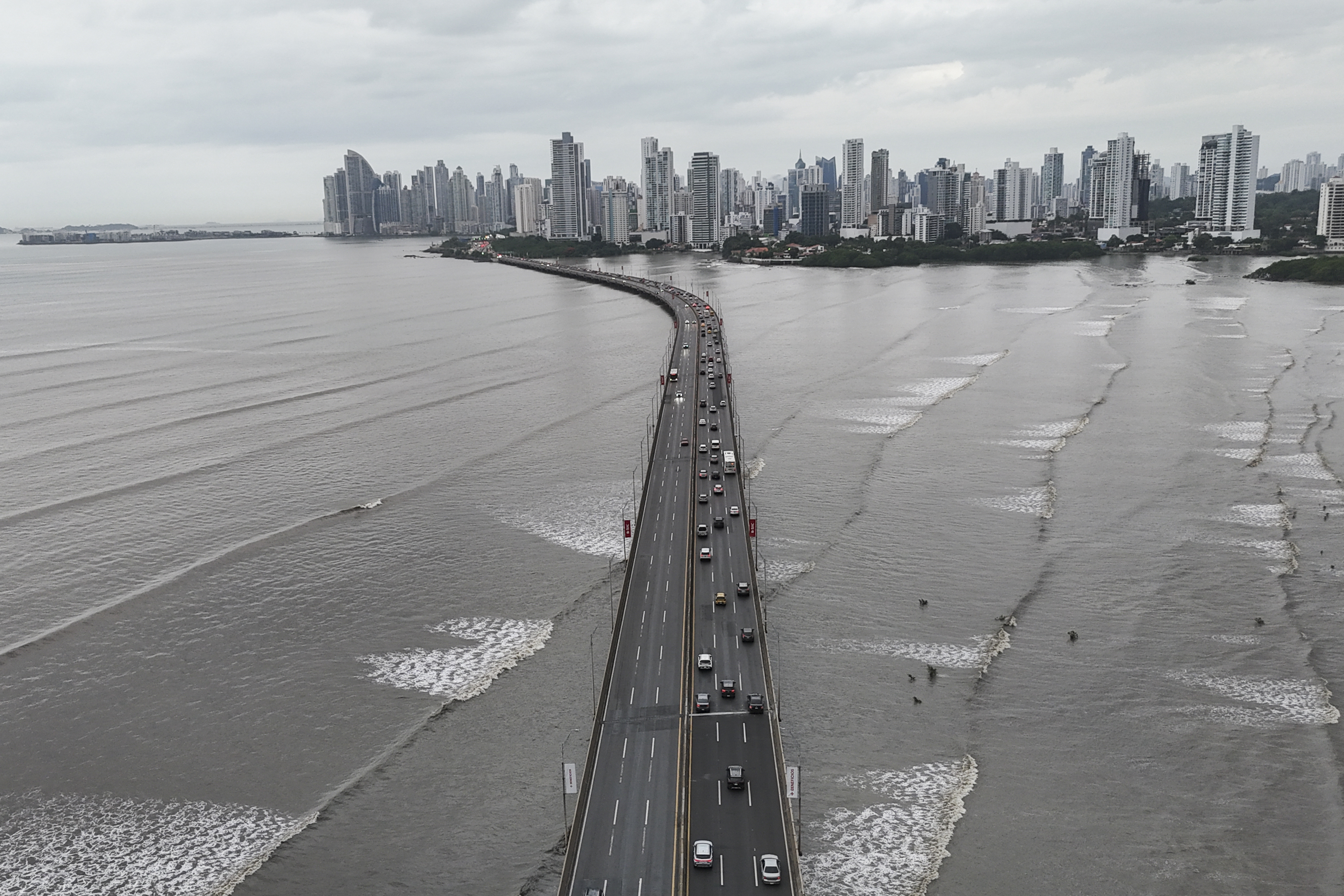
Eurasia's highest volcano has erupted in the aftermath of the earthquake in the Kamchatka region of Russia's far east, according to Russian state news agency RIA Novosti.
At 4750 metres, Klyuchevskaya Sopka is one of the world's highest active volcanos.
But the danger already appeared to be lessening in some places, with authorities downgrading their warnings in Hawaii, Japan and parts of Russia.
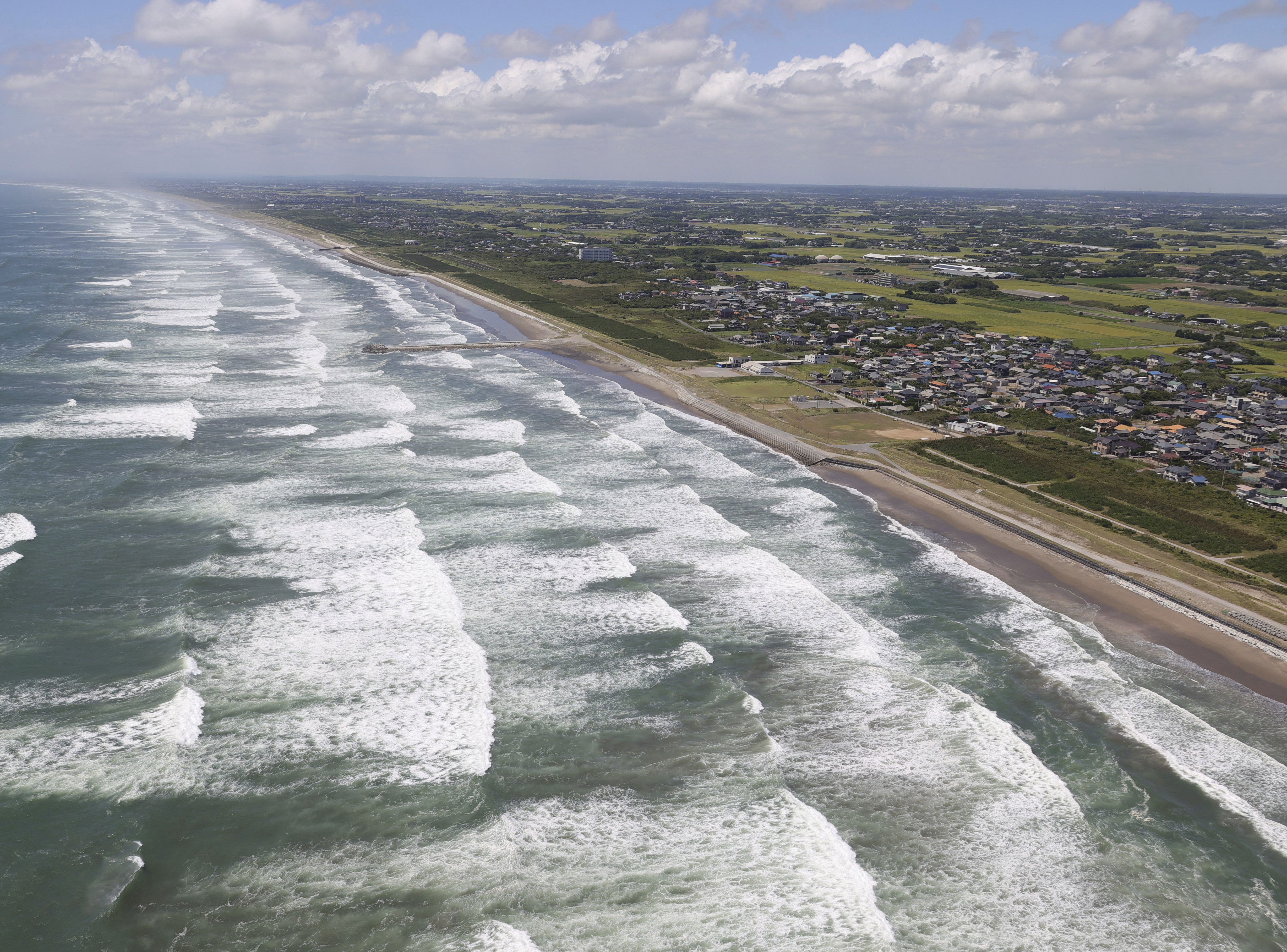
Residents fled inland as ports flooded on Kamchatka near the quake's epicenter, while frothy, white waves washed up on the shore in northern Japan.
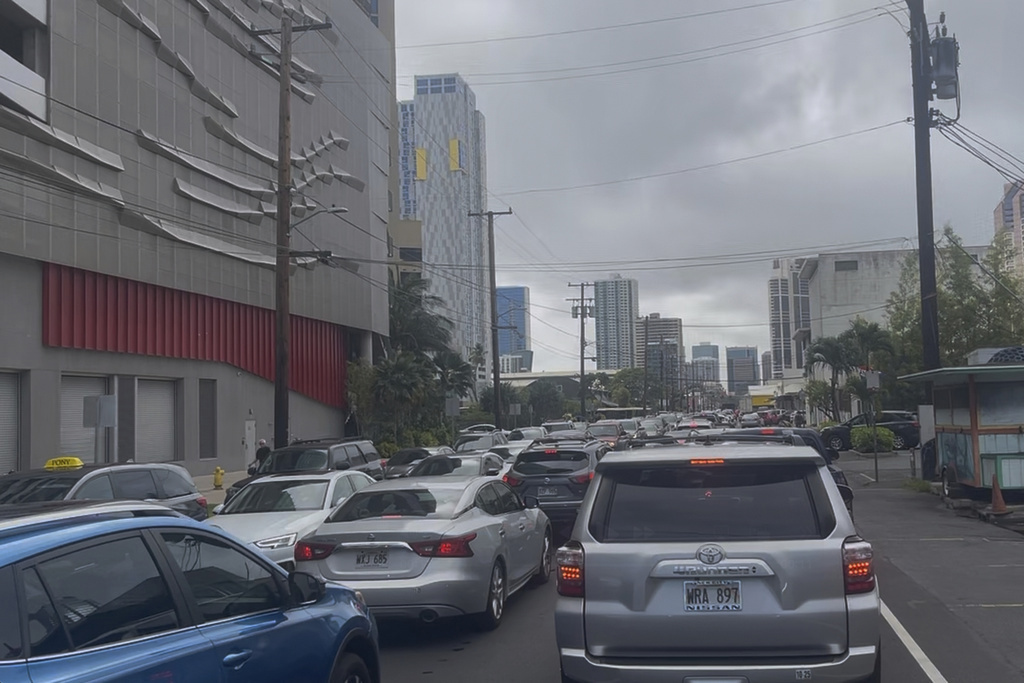
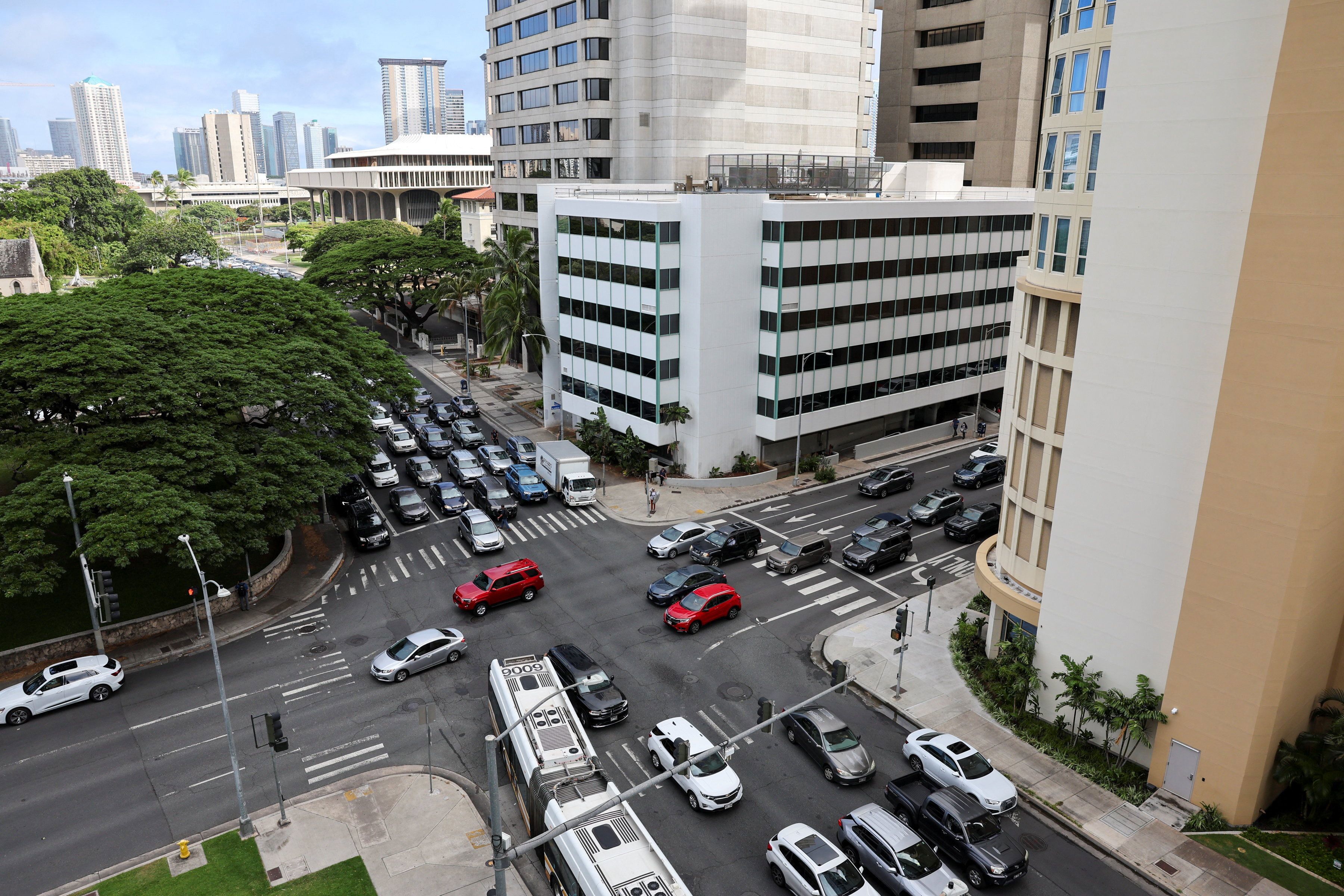
Cars jammed streets and highways in Honolulu, with standstill traffic even in areas away from the sea.
People flocked to evacuation centres in affected areas of Japan, with memories fresh of the 2011 earthquake and tsunami that caused reactor meltdowns at a nuclear power plant.
READ MORE: Queensland parents who lost son to stabbing take legislation crusade global
No abnormalities in operations at Japan's nuclear plants were reported on Wednesday.
Russian authorities said several people were injured, but said all were in stable condition, though they gave few details. In Japan, at least one person was injured.
A tsunami height of 3 to 4 metres was recorded in Kamchatka, 60 centimetres on Japan's northern island of Hokkaido, while tsunami waves about 60cm – 152cm high reached San Francisco early on Wednesday, officials said.
Much of the West Coast, spanning California, Oregon, Washington state, and the Canadian province of British Columbia, were under a tsunami advisory.
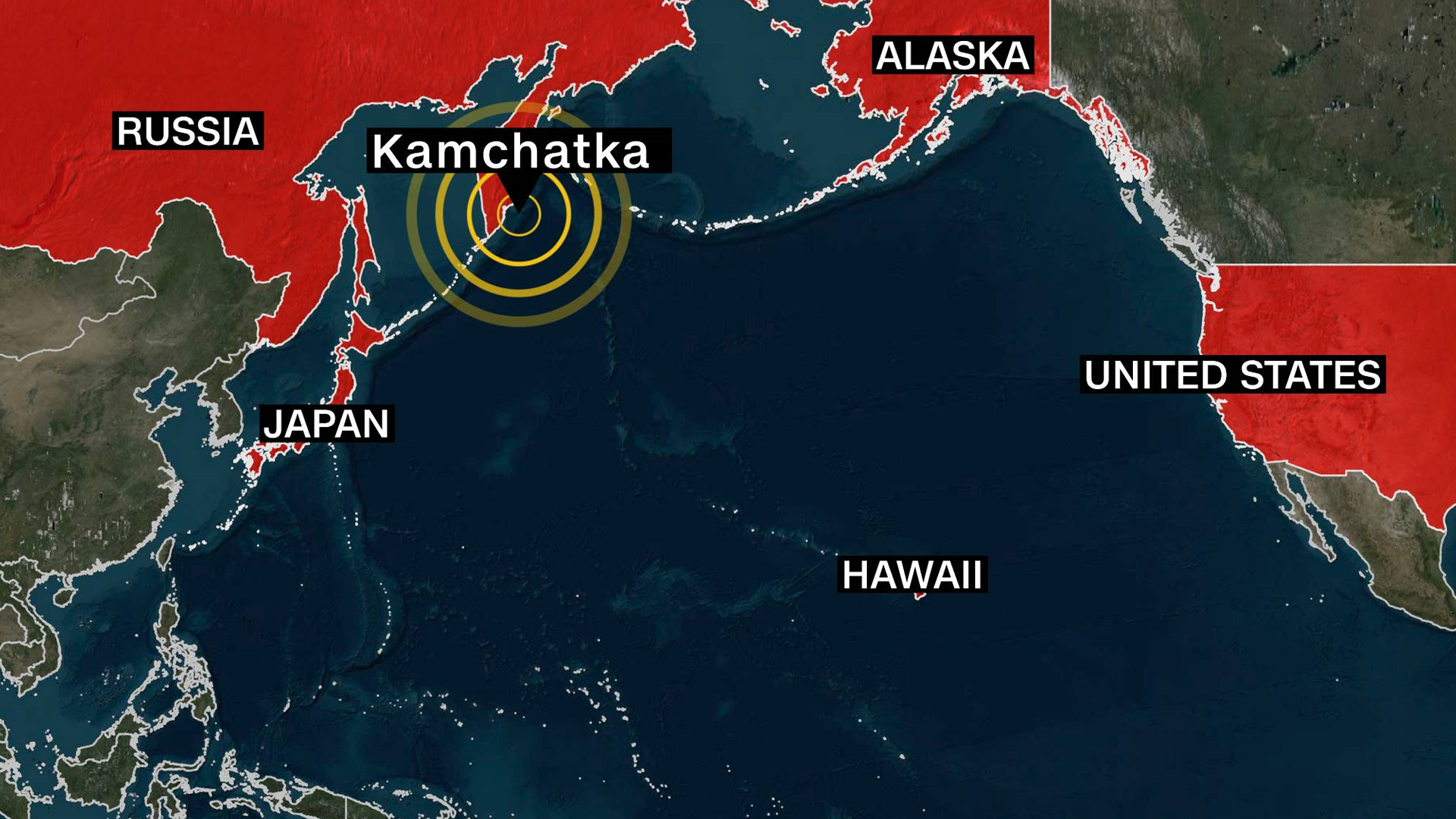
Hawaii downgrades to tsunami advisory
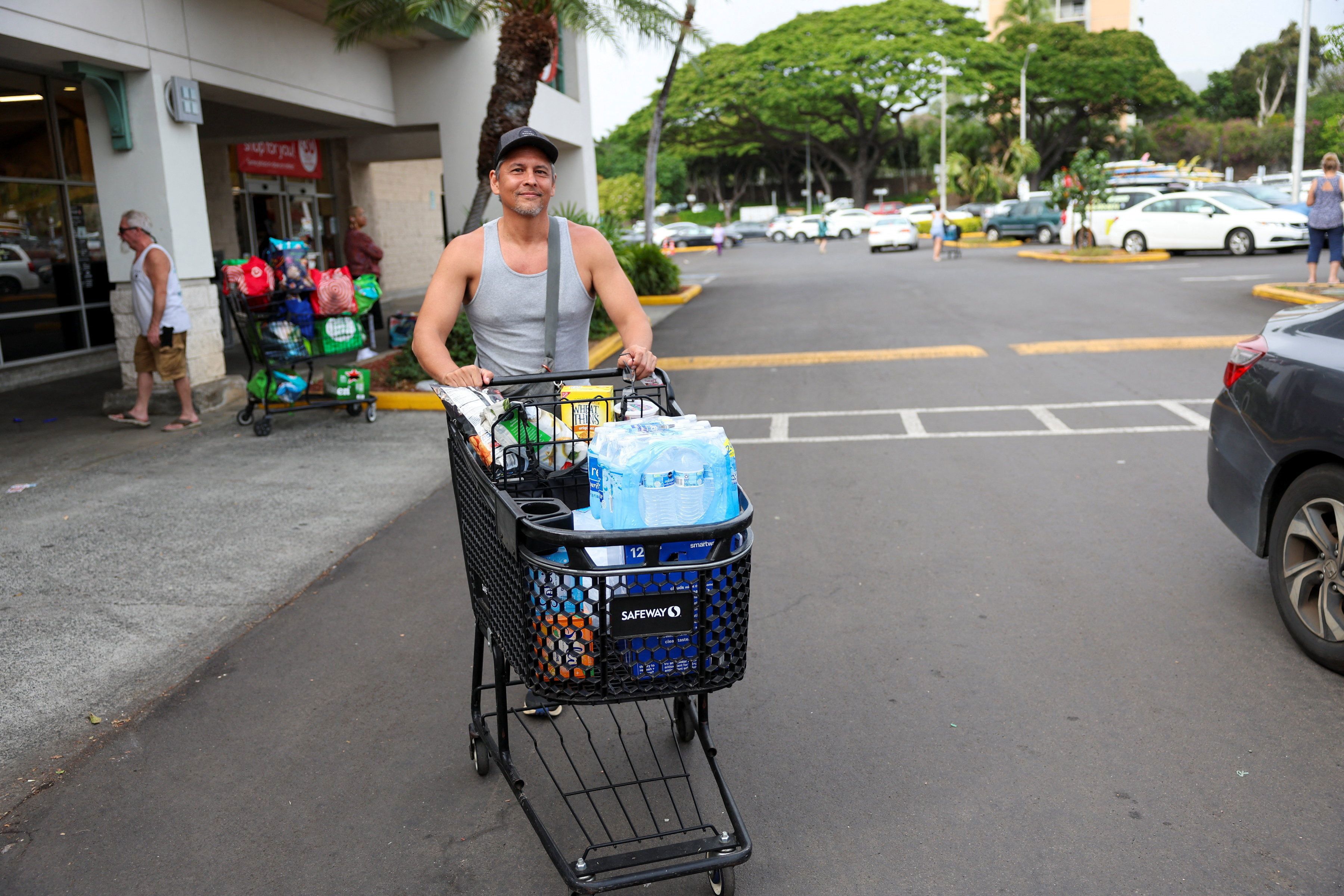
Hawaii was still under a tsunami advisory as Wednesday began, but evacuation orders on the Big Island and Oahu, the most populated island, had been lifted.
An advisory means there is the potential for strong currents and dangerous waves, as well as flooding on beaches or in harbors.
"As you return home, still stay off the beach and stay out of the water," said James Barros, administrator of the Hawaii Emergency Management Agency.
The impact of the tsunami could last for hours or perhaps more than a day, said Dave Snider, tsunami warning coordinator with the National Tsunami Warning Center in Alaska.
"A tsunami is not just one wave," he said.
"It's a series of powerful waves over a long period of time. Tsunamis cross the ocean at hundreds of miles an hour — as fast as a jet airplane — in deep water. But when they get close to the shore, they slow down and start to pile up. And that's where that inundation problem becomes a little bit more possible there."
Hawaii Gov. Josh Green earlier said Black Hawk helicopters were activated and high-water vehicles ready to go in case authorities needed to rescue people.
The Oregon Department of Emergency Management said on Facebook that small tsunami waves were expected along the coast. It urged people to stay away from beaches, harbors and marinas and to remain in a safe location away from the coast until the advisory is lifted.
"This is not a major tsunami, but dangerous currents and strong waves may pose a risk to those near the water," the department said.
A tsunami of less than 30 centimetres was forecast to hit parts of Vancouver Island, British Columbia, and waves of up to 42cm above tide levels were observed in Alaska's Aleutian Islands.
Russian regions report limited damage
Russia's Oceanology Institute said tsunami waves might have been as high as 10 to 15 metres in some sections of the Kamchatka coast.
Later, Russian authorities on the Kamchatka peninsula and the Kuril islands cancelled tsunami warnings, though they said some risk remained.
The regional branch of Russia's Emergency Ministry on Kamchatka warned that scientists expect aftershocks at magnitudes of up to 7.5.
It said that more tsunamis are possible in the Avacha Bay, where the regional capital of Petropavlovsk-Kamchatsky is located.
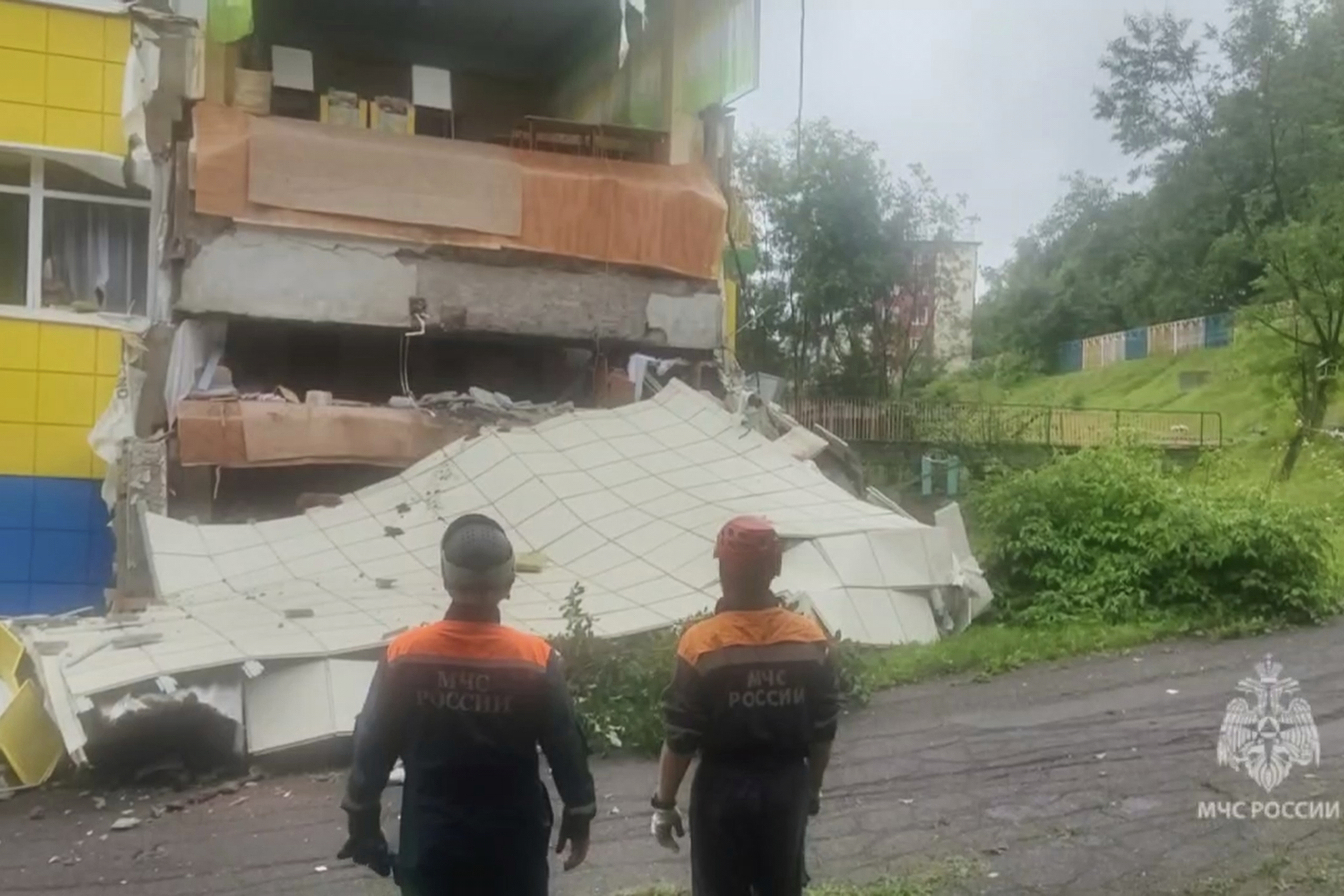
In Petropavlovsk-Kamchatsky, the quake damaged a local kindergarten, which was not in operation at the time because it was being renovated.
Oleg Melnikov, head of the regional health department, said a few people hurt themselves while rushing to leave buildings and a hospital patient was injured while jumping out of a window. Melnikov said that all injured people were stable.
A video released by Russian media outlet showed a team of doctors at a cancer clinic on Kamchatka holding a patient and clutching medical equipment as the quake rocked an operating room, before continuing with surgery after the shaking stopped.
Authorities introduced a state of emergency on the sparsely populated Kurils — which are between Kamchatka and Japan — after the tsunami.
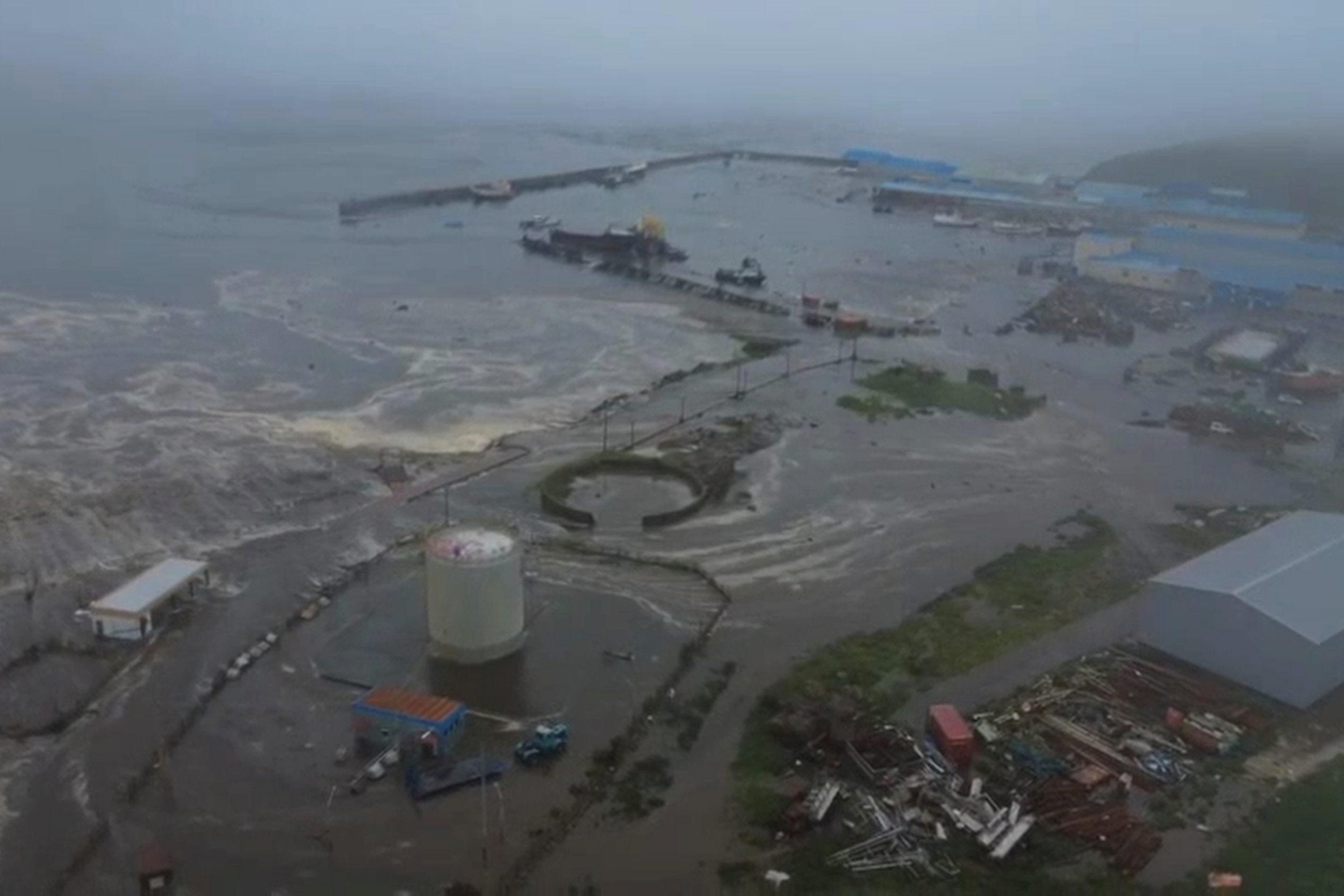
They earlier reported that several waves flooded the fishing port of Severo-Kurilsk, the main city on the islands, and cut power supplies to the area.
The port's mayor said no major damage was recorded.
Among the world's strongest recorded quakes
The quake struck at 8.25am Japan time (9.25am AEST) with a magnitude of 8.8 and a depth of about 21 kilometres, according to the US Geological Survey.
It was centered about 120 kilometres from the Russian city of Petropavlovsk-Kamchatsky. Multiple aftershocks as strong as 6.9 magnitude followed.
The earthquake appeared to be the strongest recorded since the 9.0 magnitude earthquake off northeastern Japan in March 2011 that caused a massive tsunami that set off meltdowns at a nuclear power plant.
Only a few stronger earthquakes have ever been measured around the world.
Japanese nuclear power plants reported no abnormalities. The operator of the Fukushima Daiichi plant damaged by the 2011 tsunami said about 4000 workers are taking shelter on higher ground at the plant complex while monitoring remotely to ensure safety.
The tsunami alert disrupted transportation in Japan, with ferries, trains and airports in the affected area suspending or delaying some operations.
A tsunami of 60 centimeters was recorded at Hamanaka town in Hokkaido and Kuji port in Iwate, according to the Japan Meteorological Agency.
Several areas reported smaller waves including 20 centimeters in Tokyo Bay five hours after the quake.
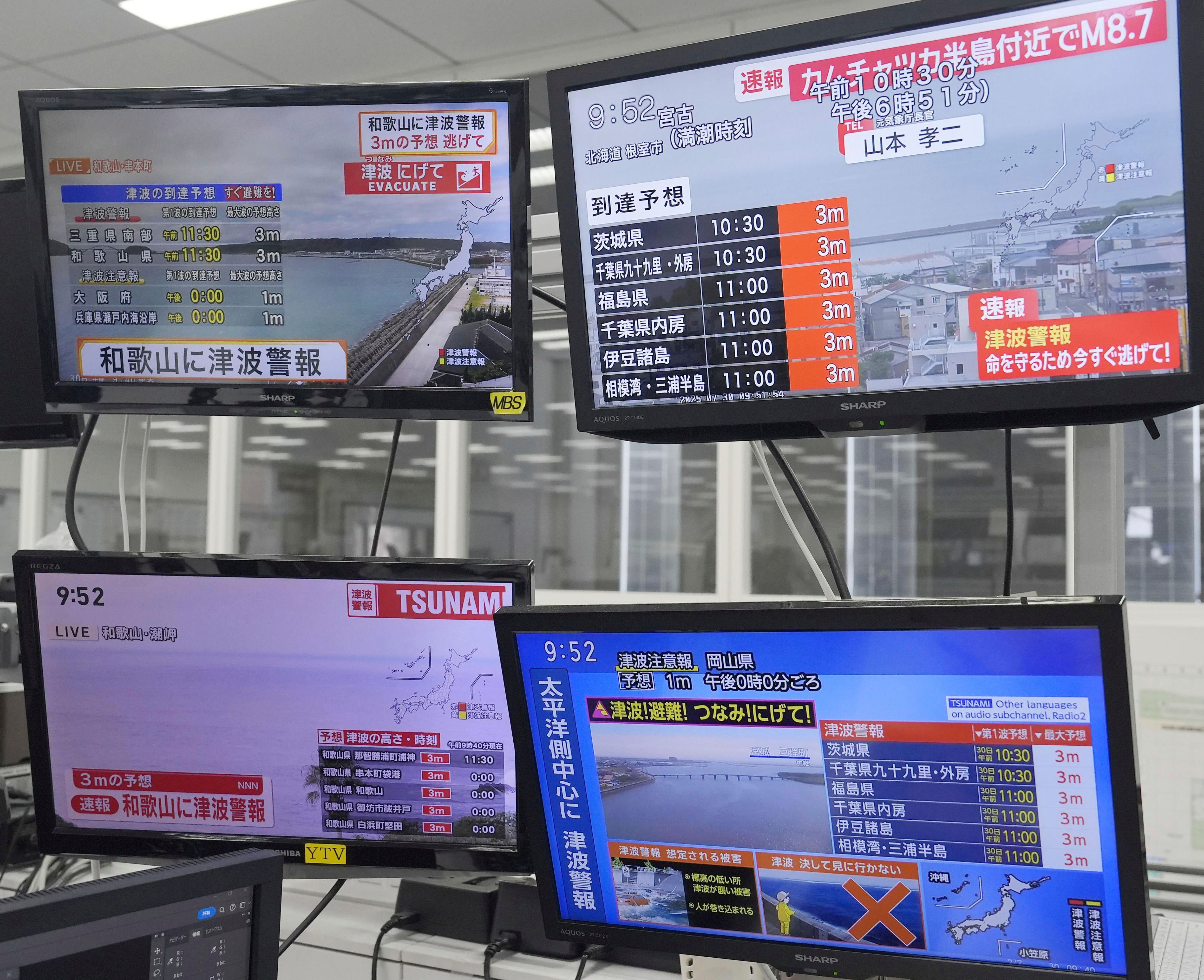
Authorities downgraded the tsunami alert, leaving an advisory in place along Japan's Pacific coast.
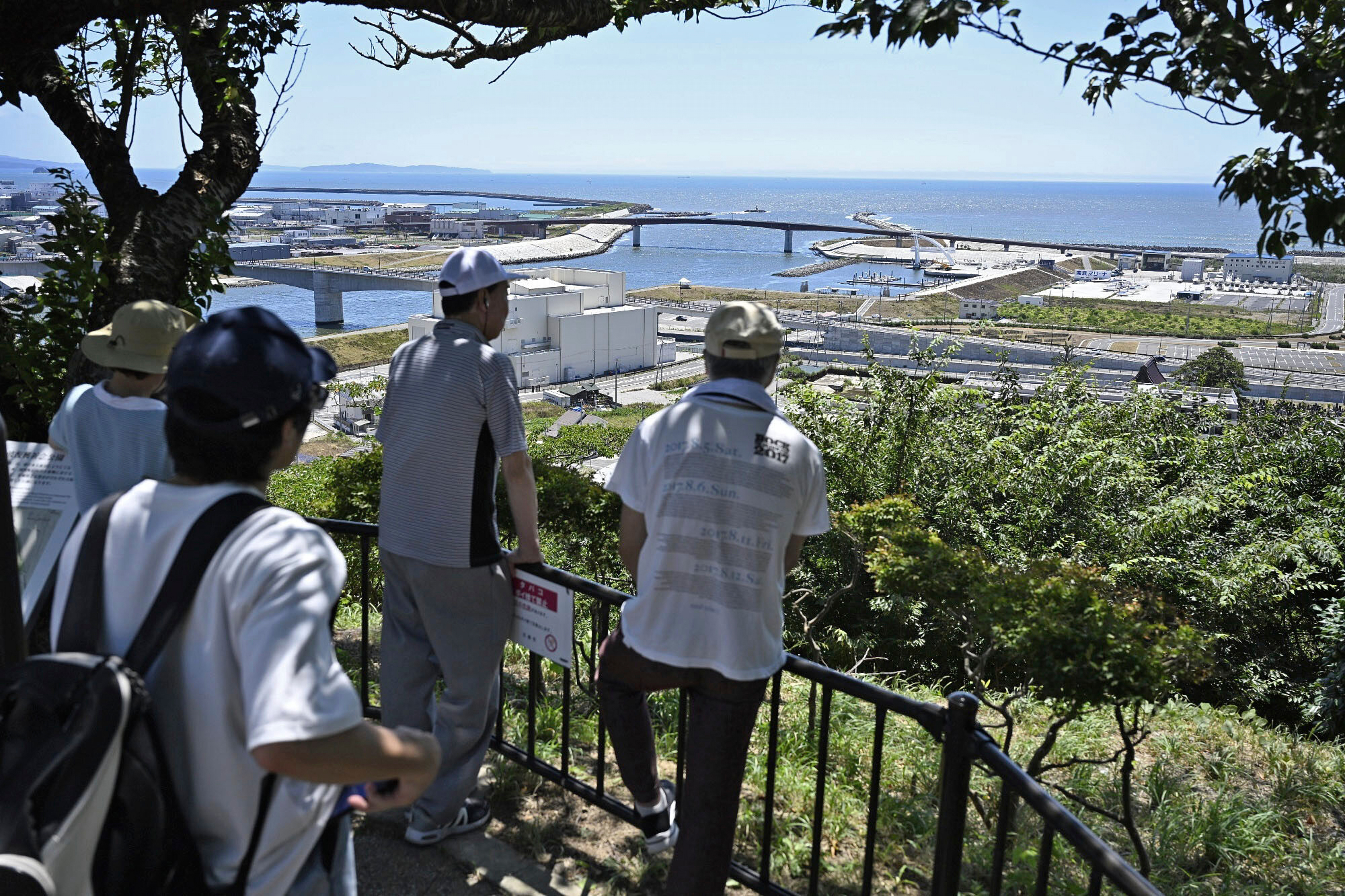
In Japan's northern coastal town of Matsushima, dozens of residents took refuge at an evacuation centre, where water bottles were distributed. One person told NHK she came to the facility without hesitation based on the lesson from the 2011 tsunami.
Japan's Chief Cabinet Secretary Yoshimasa Hayashi warned evacuees that they may not be able to return home by the end of the day, as the tsunami waves could remain high.
Authorities in the Philippines, Mexico and New Zealand also warned residents to watch for waves and strong currents.
People were also urged to stay away from coastlines until any wave surges passed in Fiji, Samoa, Tonga, Federated States of Micronesia and Solomon Islands.
Earlier in July, five powerful quakes — the largest with a magnitude of 7.4 — struck in the sea near Kamchatka.
The largest quake was at a depth of 20 kilometers and was 144 kilometres east of the city of Petropavlovsk-Kamchatsky.
DOWNLOAD THE 9NEWS APP: Stay across all the latest in breaking news, sport, politics and the weather via our news app and get notifications sent straight to your smartphone. Available on the Apple App Store and Google Play.
