

Iran fired on three ships in the Strait of Hormuz and seized two of them on Wednesday, intensifying its assault on shipping in the key waterway.
The attacks came a day after US President Donald Trump extended a ceasefire while maintaining an American blockade of Iranian ports.
The standoff between the US and Iran has effectively choked off nearly all exports through the strait, through which 20 per cent of the world's traded oil passes in peacetime, with no end in sight.
READ MORE: Monster illicit tobacco haul uncovered in suitcase
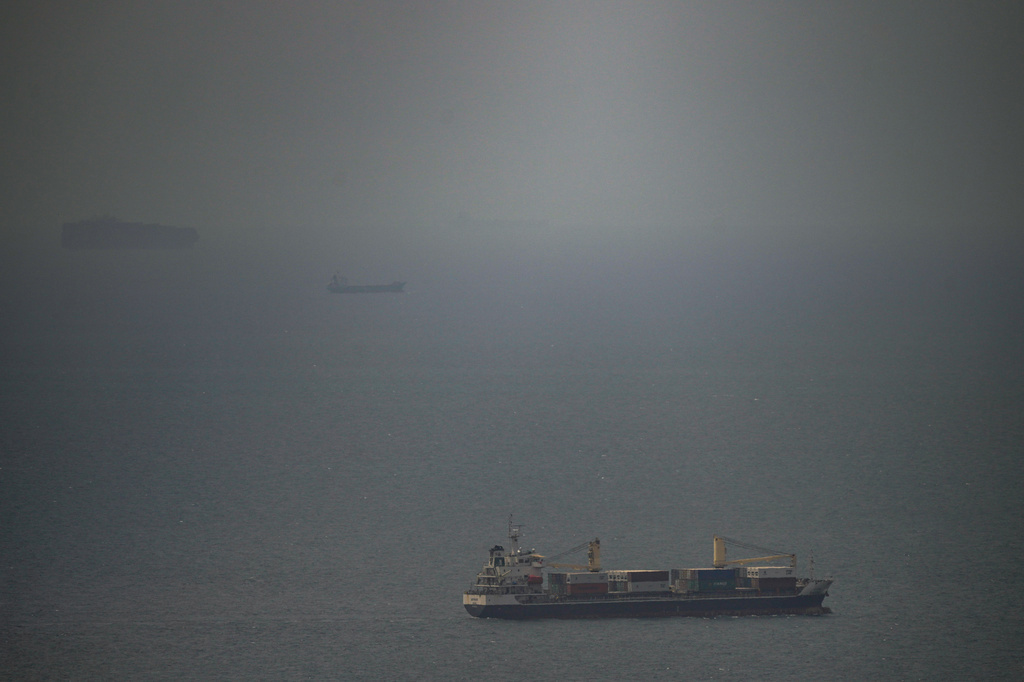
Iranian media said the paramilitary Revolutionary Guard was bringing the two ships to Iran, marking a further escalation.
The conflict has already sent gas prices skyrocketing far beyond the region and raised the cost of food and a wide array of other products. The longer the strait remains closed, the more severe and widespread the effects will be – and the longer it will take the economy to bounce back.
The price of Brent crude oil, the international standard, nosed over $US100 ($140) per barrel, marking a 35 per cent increase from pre-war levels, but stock markets still appear to be shrugging it off.
The European Union energy commissioner, Dan Jørgensen, warned of lasting impact for consumers and businesses, likening the crisis to other major energy crunches over the last half-century. He said the disruption is costing Europe around €500 million ($818 million) each day.
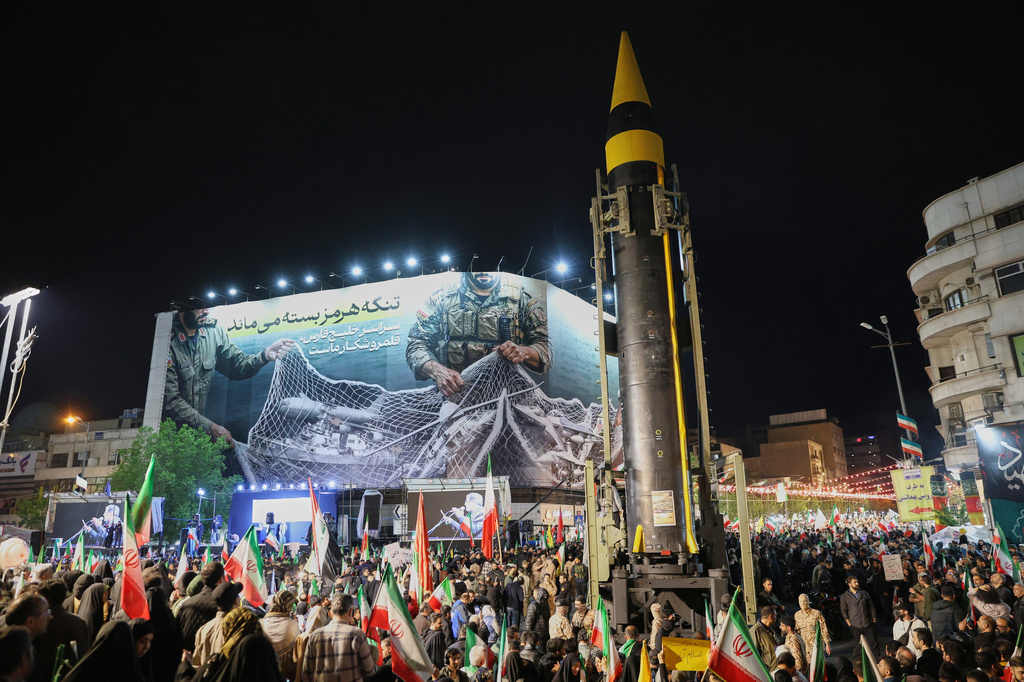
AS IT HAPPENED: Ballistic missile paraded through Iranian streets
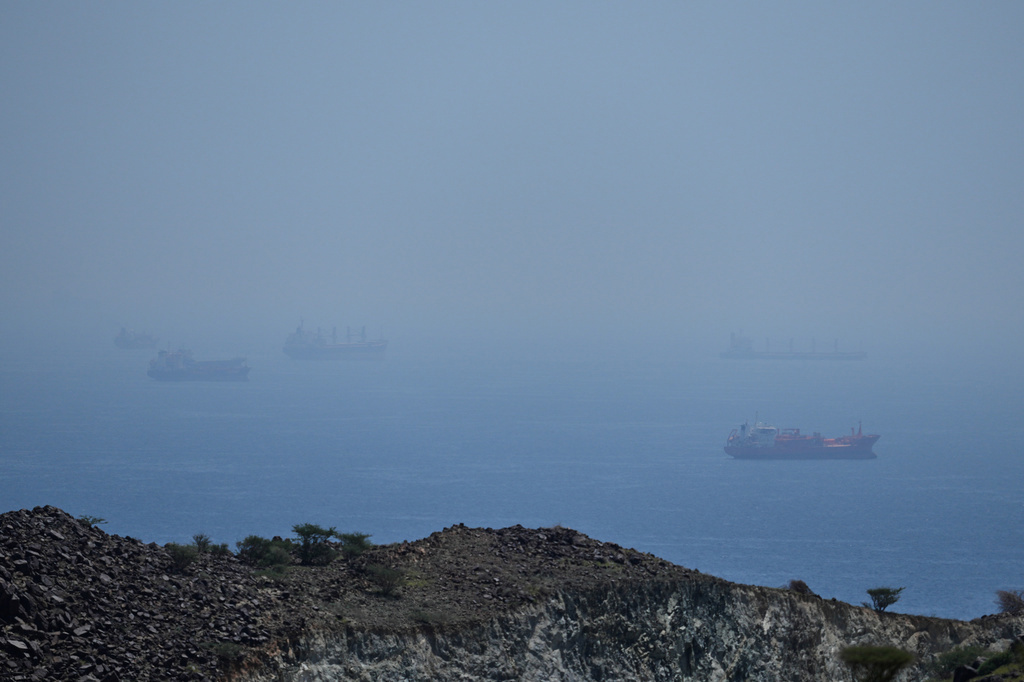
Iran holds firm in apparent tit-for-tat with US
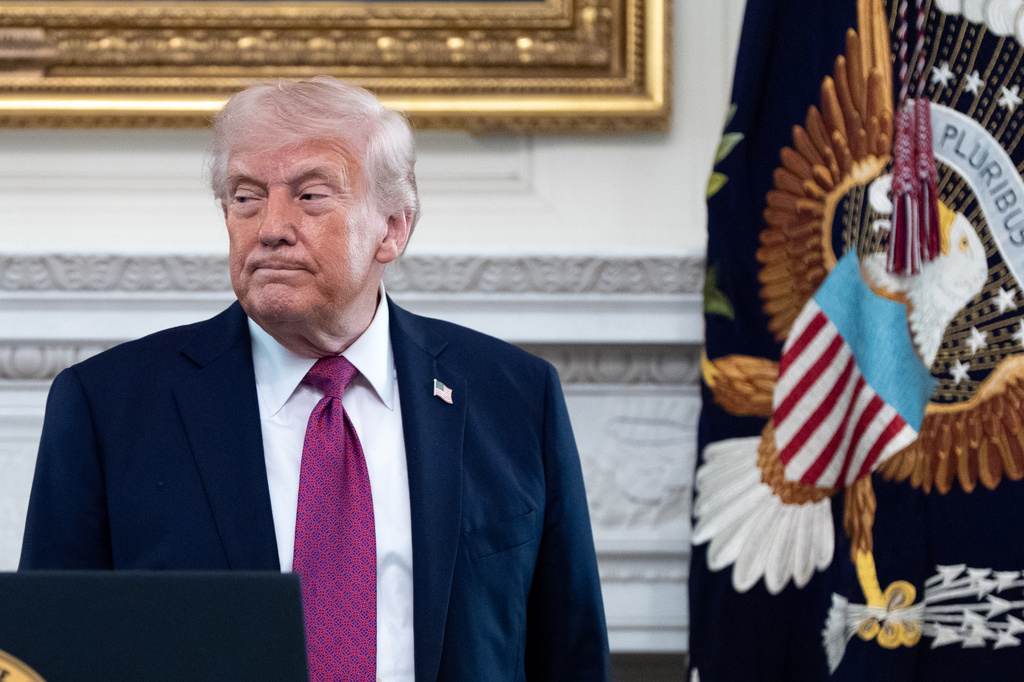
Iran's leaders appear poised to drive a hard bargain with American negotiators after Trump said the US would indefinitely extend the ceasefire that had been due to expire on Wednesday, while Washington awaits a new proposal from Tehran.
Iranian media said the MSC Francesca and the Epaminondas were being escorted to Iran. The ships' owners could not be immediately reached for comment.
The US had earlier seized two Iranian vessels as the ceasefire talks were due to take place in Pakistan.
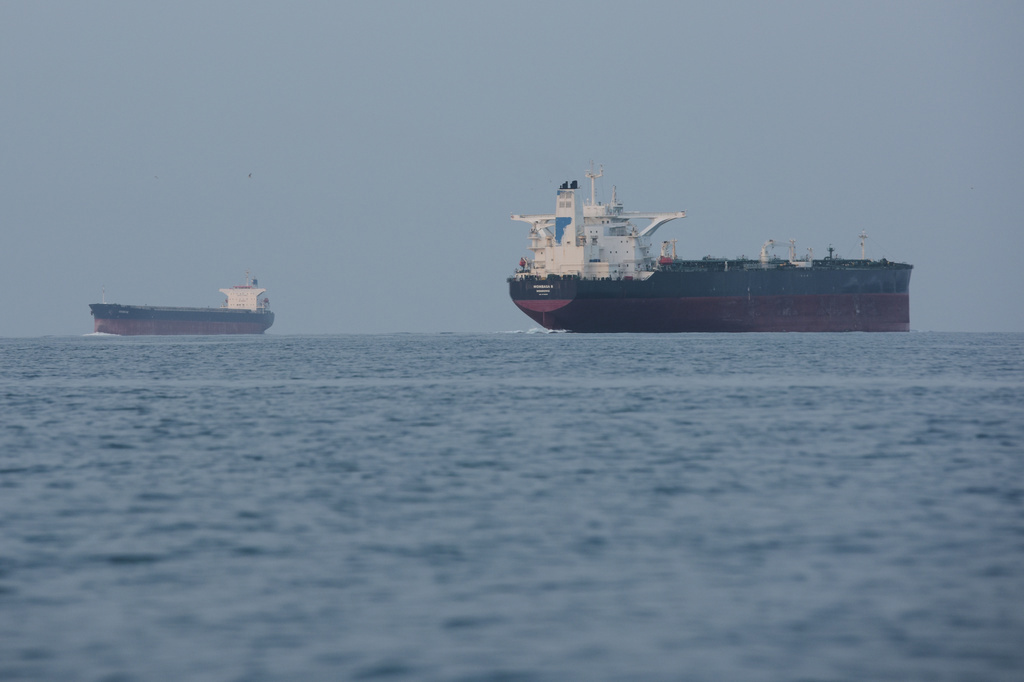
The Guard attacked a third ship, identified as the Euphoria, which had become "stranded" on the Iranian coast, Iranian media reported, without elaborating.
The British military's United Kingdom Maritime Trade Operations Centre also reported the attacks, saying a Revolutionary Guard gunboat opened fire on a container ship and "caused heavy damage to the bridge."
A second cargo ship came under fire hours later, with no report of damage, though the vessel was then stopped in the water. No injuries to the crew of either vessel were reported.
There have been more than 30 attacks on ships in the Mideast since the US and Israel launched the war on February 28 with a surprise attack on Iran. Before then, the strait was open for all traffic.
It's not clear when talks will restart
Iran's ability to restrict traffic through the strait – which leads from the Persian Gulf to the open ocean – has proved a major strategic advantage.
While the ceasefire means that American and Israeli airstrikes have stopped in Iran – and Tehran's missiles no longer target Israel and the wider Middle East – the attacks in the strait and earlier American interdictions of Iranian ships show the maritime threat remains.
Without any diplomatic agreement, those attacks will likely deter ships from even attempting to pass through the waterway, and further squeeze global energy supplies.
The night before, hard-line supporters of Iran's theocracy held rallies in which the Guard showed off missiles and launchers – a sign of defiance to Israel and the US, which devoted much of their airstrike campaign to destroying the country's ballistic missile arsenal.
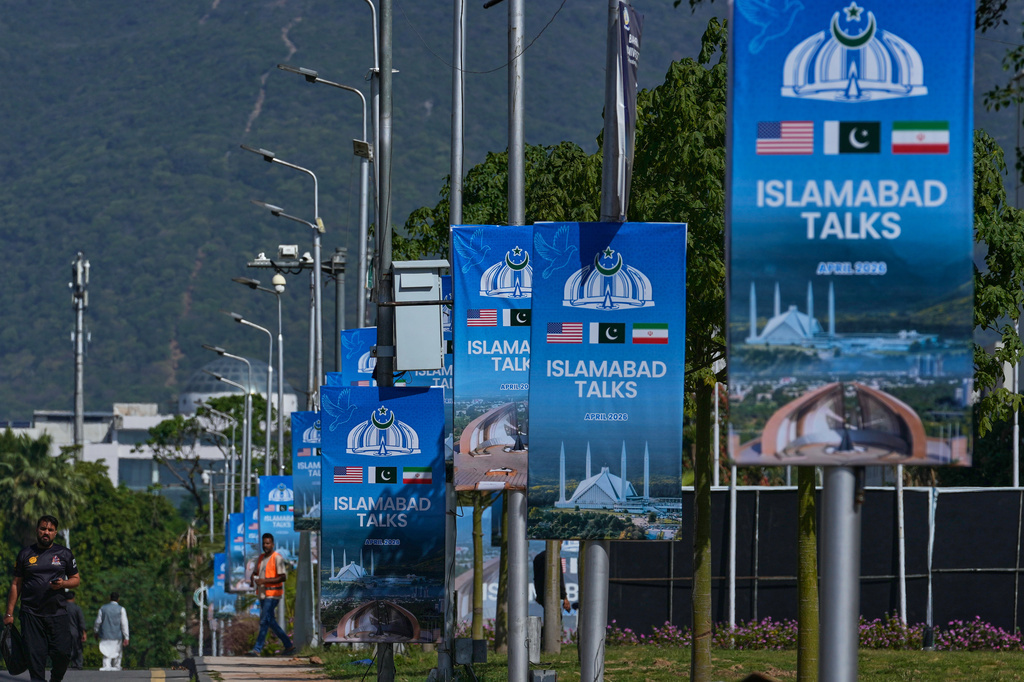
Esmail Baghaei, the spokesperson for Iran's Foreign Ministry, told state TV that Iran has not decided whether to take part in a new round of peace negotiations with the US scheduled for later this week. The talks, expected in Pakistan's capital, have not been confirmed.
He accused the United States of a "disregard and lack of good faith" in the negotiations.
Mojtaba Ferdousi Pour, the head of the Iranian mission in Egypt, had earlier told The Associated Press that no delegation would go to Pakistan until the US lifts its blockade.
In the Iranian capital, Tehran, many grappled with the uncertainty.
"We should know where we stand. Is it going to be a ceasefire, peace, or the war is going to continue?" said Mashallah Mohammad Sadegh, 59.
"The way things currently are, one doesn't know what to do."
Another French peacekeeper dies after weekend attack in Lebanon
In Lebanon, where fighting between Israel and the Iran-backed Hezbollah broke out after the US and Israel launched their initial strikes, the state-run National News Agency said an Israeli drone struck the village of Jabbour, killing one person and wounded two others. Israel's military denied that it had attacked the area.
A separate Israeli strike targeting a vehicle in the southern town of Tayri killed two people, NNA reported. The Israeli military did not immediately comment on that strike.
Also on Wednesday, President Emmanuel Macron said a French peacekeeper who was wounded in an attack in Lebanon over the weekend had died of his wounds. Another French peacekeeper was killed in the attack on Saturday, in which the force came under small-arms fire in southern Lebanon.
Macron blamed the attack on Hezbollah, which denied involvement.
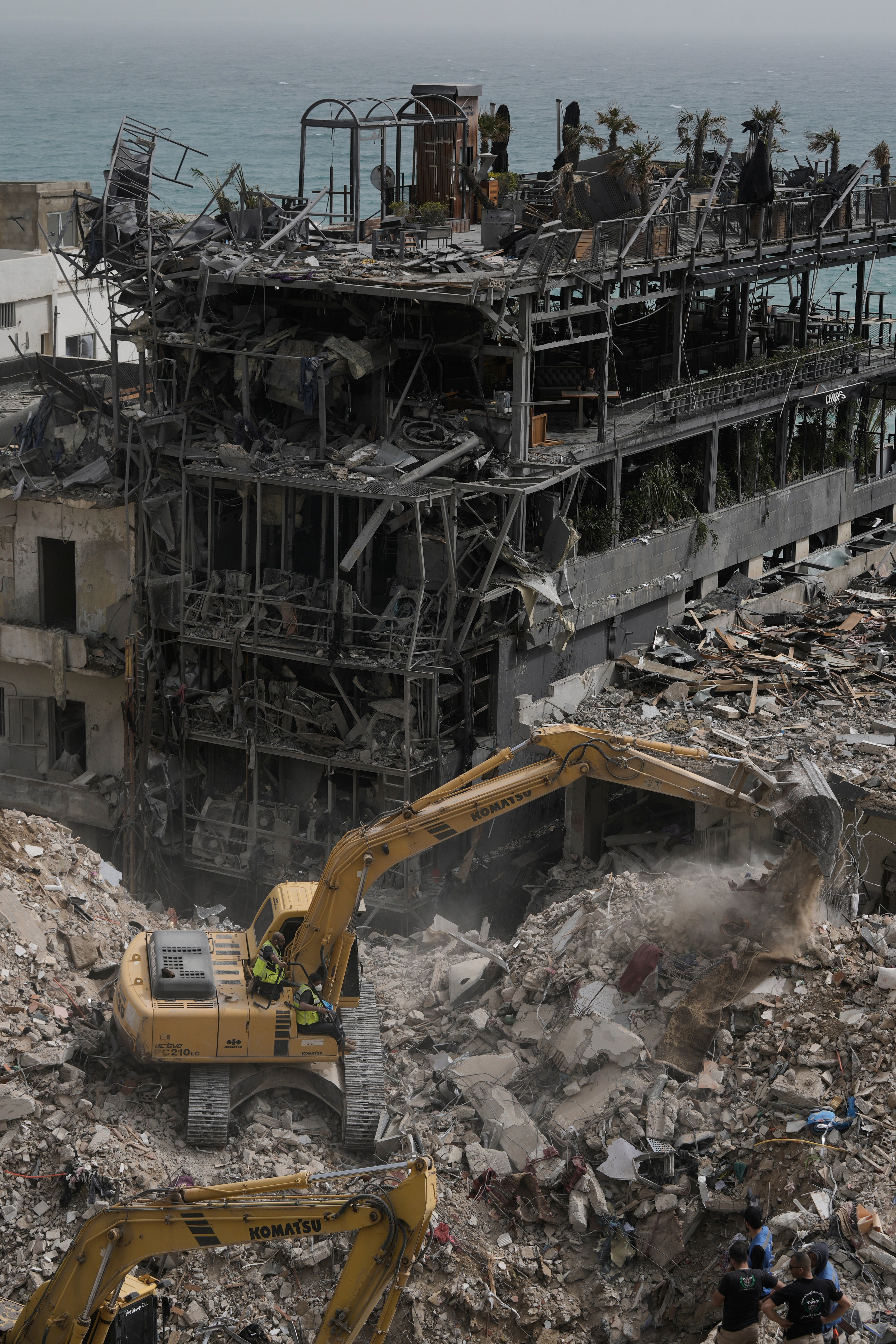
A 10-day ceasefire went into effect in Lebanon on Friday, but there have been several Israeli strikes and Hezbollah claimed its first attack on Tuesday.
Lebanese President Joseph Aoun said contacts were ongoing toward extending the ceasefire. Lebanese and Israeli ambassadors plan to meet again on Thursday in Washington.
Since the war started, at least 3375 people have been killed in Iran, according to authorities.
More than 2290 people have been killed in Lebanon, 23 people have died in Israel and more than a dozen have died in Gulf Arab states.
Fifteen Israeli soldiers in Lebanon and 13 US service members have been killed.
NEVER MISS A STORY: Get your breaking news and exclusive stories first by following us across all platforms.
- Download the 9NEWS App here via Apple and Google Play
- Make 9News your preferred source on Google by ticking this box here
- Sign up to our breaking newsletter here
