
Passengers aboard the cruise ship at the center of the hantavirus outbreak are being screened by public health authorities at the Spanish island of Tenerife before being put on planes to be repatriated to their home countries.
The passengers will be brought ashore by nationality via small boats, according to tour operator Oceanwide Expeditions. Their luggage will remain aboard the ship, which will continue on to the Port of Rotterdam with the remaining crew. It is expected to take five days for the ship to reach the Netherlands.
The MV Hondius anchored early Sunday at the Port of Granadilla in the Canary Islands, where Spanish authorities set up large reception tents and restricted access to the waterfront.
France, Germany, Belgium, Ireland and the Netherlands sent planes to repatriate their citizens, while the European Union sent two additional planes for the remaining EU nationals, Spanish Interior Minister Fernando Grande-Marlaska told a press conference on Saturday in Madrid.
The United States and Britain are coordinating planes for non-EU citizens from countries that were unable to send transport.
All of the more than 100 passengers are being tested for the hantavirus, which is a rare disease typically caused by exposure to infected rats.
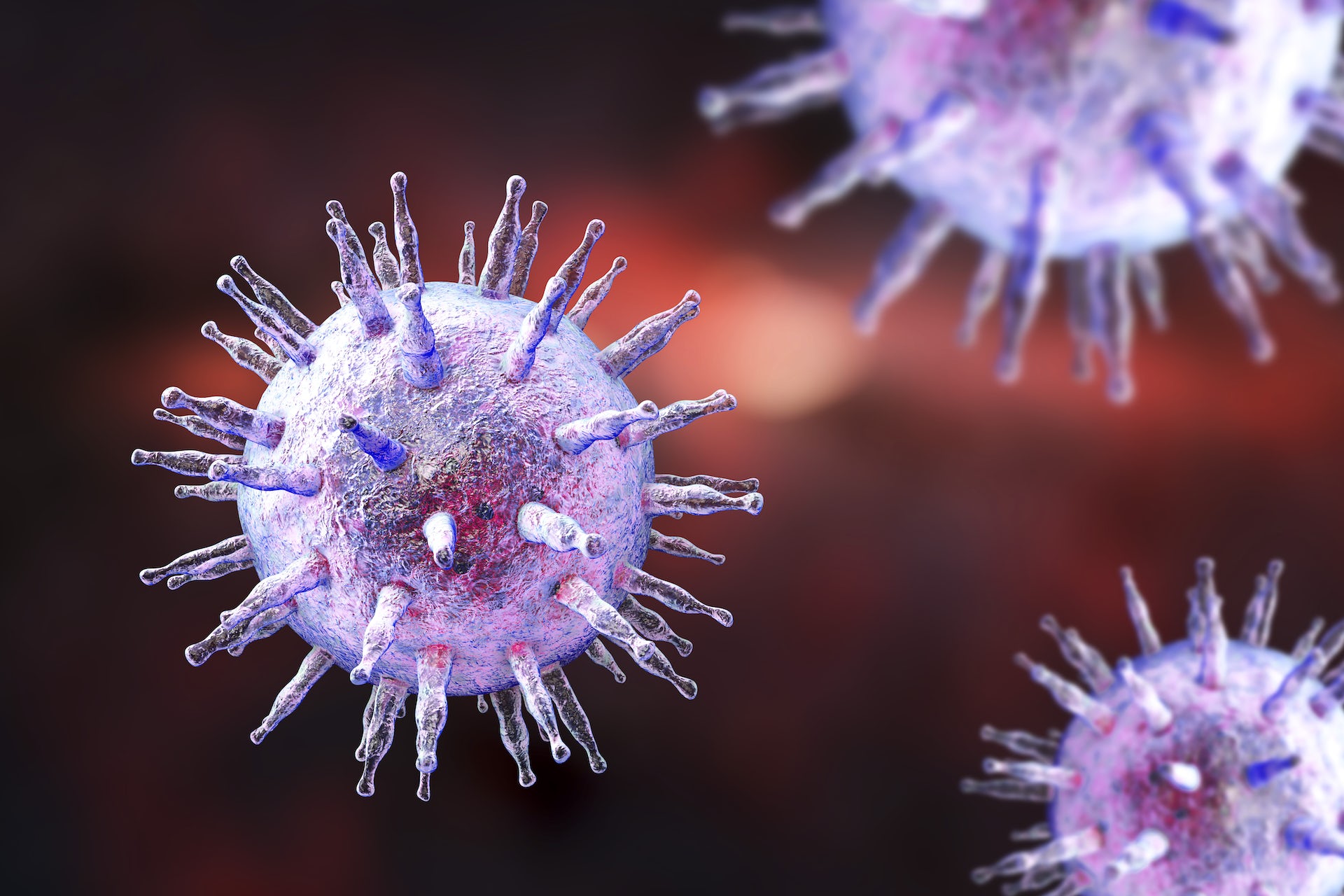
The World Health Organization (WHO) reported on Friday that there are a total of six confirmed cases of the “Andes” hantavirus variant linked to the cruise ship and two probable cases. The Andes is the only variant known to spread among humans, and the incubation period lasts up to nine weeks.
Spanish nationals will be flown to Madrid and put into mandatory quarantine at the Gomez Ulla military hospital. The U.S. plans to send its citizens home to self-isolate after undergoing an initial assessment at a federal quarantine center.
The World Health Organization has sought to calm fears that the hantavirus could trigger another global pandemic, with WHO Director General Tedros Adhanom Ghebreyesus writing on social media Sunday morning that “the risk to the people of Tenerife is low because of the nature of the disease and the actions of the Spanish government.”