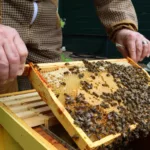
A new colony of Northumberland Dark Honey Bees has arrived at The Alnwick Garden, with around 40,000 bees being introduced as part of a major conservation and biodiversity initiative.
The population includes 20,000 live bees and 20,000 capped brood cells, with numbers expected to grow to around 150,000 over the coming years. The project aims to help protect the future of the Northumberland Dark Honey Bee, a native strain currently facing conservation concerns due to crossbreeding with imported bee varieties.
Although the bees do not currently have protected status, their introduction to The Alnwick Garden represents an important step in supporting their long-term survival and forms part of the charity’s ongoing commitment to sustainability, biodiversity and strengthening local ecosystems.
Purchased through a donation by Global Brands to The Alnwick Garden Trust, the investment follows the venue’s recent receipt of a Gold Green Tourism Award and furthers its pioneering approach to environmentally responsible practices.
The Garden’s Climate Action Programme Manager, Craig Ellis, said:
“These bees play an incredibly important role in our local ecosystem, so we’re proud to provide them with a vibrant new home.
“The Bamburgh Bee Company has supported us in integrating the bees into the site and ensuring they settle successfully. Here, they have access to a diverse range of flowers, plants and woodland areas, creating an ideal habitat for them to thrive.”
Dark Honey Bees rely heavily on geographical familiarity to navigate and survive. Experts advise that colonies should remain within three feet of their original hive or be relocated more than three miles away from it, to prevent them from attempting to return and becoming lost.
Mr Ellis continued:
“We’re very excited to watch the colony grow over the coming months and look forward to supporting local schools with hands-on beekeeping sessions, delivered as part of our educational Climate Action Programme.”
The Alnwick Garden hopes its new colony will raise awareness of the importance of supporting bee populations, educating visitors and local schools on the vital role pollinators play in food production and biodiversity.
This initiative forms part of a wider Climate Action Programme at The Garden, focused on conservation, habitat creation, and advocacy for environmentally conscious initiatives. Across the venue’s 67 acres of land, this eco-conscious approach ensures habitats support a diverse range of native wildlife, and that visitors can learn about the importance of these nature-positive approaches.
Don’t forget to visit The Alnwick Garden this week to join Reg the Hedge for his Wildlife Week celebrations.
The post Native Northumberland Honey Bees Given Safe Haven Through Alnwick Conservation Project appeared first on Newcastle Magazine – Your source for inspiring Newcastle news.