

Young people face significant barriers to employment, from limited professional networks and a lack of work experience to complex recruitment processes.
At the same time, employers are looking for ways to attract emerging talent and prepare young people for a changing world of work.
How can we overcome these challenges together to create better opportunities for young people?
At our recent Youth Employability Roundtable, supported by our long-term partner Coca-Cola Europacific Partners (CCEP), business leaders, policy experts and government officials came together to explore this question.
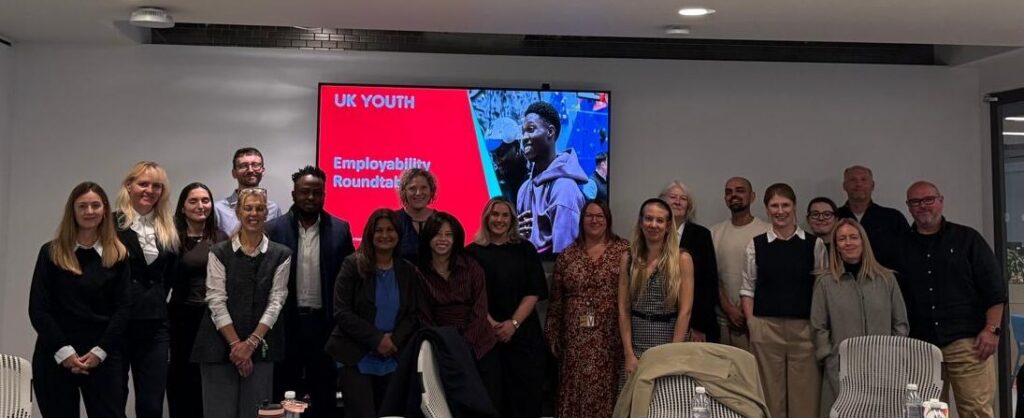

The discussion took place against the backdrop of the forthcoming Milburn Review, bringing renewed attention to systemic failures and the need for more joined-up support for young people. Attendees were keen to galvanise together around this moment.
Three central themes emerged: intervention must start earlier, employers must do more to open doors and trusted relationships are essential to helping young people succeed.
1. Earlier intervention and more joined-up support
While conversations often focus on young people aged 16–24 who are already classified as NEET (not in education, employment or training), many of the challenges they face begin much earlier. Focusing support too narrowly on young people who have already become disengaged from education or employment risks missing opportunities to prevent barriers developing in the first place.
Young people need earlier, more consistent opportunities to meet employers, explore different career pathways and build confidence and skills. This means stronger connections between education, employment services, businesses and youth organisations.
Success should not simply be measured by how many young people enter employment. We should also consider how we support them to sustain work, progress, and find fulfilling career pathways. Support must also reflect individual circumstances. Young people who are NEET are not a single group with the same needs, and employment support must recognise the different personal, financial and structural barriers they face.
What needs to change?
This requires a more coordinated approach, connecting the different services and relationships around a young person. Achieving this requires stronger cross-government collaboration between DWP, DfE, and DCMS, and utilising place-based models like Young Futures Hubs to create smooth, joined-up referral pathways. It also means recognising that supporting young people and supporting the wider workforce are interconnected challenges, rather than competing priorities.
2. Open doors to accessible first opportunities
A first job does not have to define a young person’s long-term career. It can provide a valuable starting point to build confidence, develop transferable skills, gain experience and discover new opportunities.
Our Roundtable highlighted the importance of exposing young people to the range of careers available to them, including opportunities in industries they may not have previously considered, such as facilities management and manufacturing. They also need practical support to navigate the process, from application to interview preparation and knowing what to expect in a workplace.
Paid work experience and internships are particularly important. As one young person highlighted, earning your own money brings independence and financial autonomy. Unpaid opportunities, by contrast, exclude those who cannot afford to take them up.
Employers also have a role in making recruitment more accessible.
Participants discussed practical changes businesses can make, including:
- removing unnecessary degree requirements
- simplifying application processes
- bringing more human interaction into the recruitment process
- not advertising for entry-level roles that require prior experience
- providing more useful feedback to unsuccessful candidates and;
- offering paid work experience to support young people facing hidden costs entering the workplace (including professional attire and commuting expenses).

Businesses can also use their influence to open doors beyond their own organisations, connecting young people with opportunities across supply chains, industries and local economies. Large businesses can help showcase the breadth of roles available across their sectors, including within smaller businesses.
Examples raised include CCEP helping young people understand opportunities across food, drink and manufacturing, and Microsoft highlighting opportunities within SMEs in the tech sector, alongside helping young people develop AI skills to boost their employability.
The NoRegrets initiative was cited as an example of how employers can rethink recruitment and connect unsuccessful applicants with other opportunities and support.
What needs to change? Employers should review how accessible their recruitment practices really are, while Government should incentivise and expand paid work experience and supported employment opportunities.
3. Build relationships: Trusted adults make the difference
Perhaps the strongest theme from the discussion was that young people need more than information about vacancies or help with applications. They need someone they trust to help them navigate their employment journey.
A trusted adult can help a young person recognise their strengths, work through uncertainty, build confidence and understand the different stages involved in finding and sustaining employment.
Youth workers are particularly well placed to provide this support. Through a consistent, relationship-based approach, they can respond to individual circumstances, build trust, and help young people access opportunities that might otherwise feel out of reach.
Their contributions can also extend to employers. Youth workers can help managers better understand the needs and experiences of young employees, supporting workplaces to become more inclusive and effective. UK Youth and CCEP’s Building Connections programme was highlighted as an example of how youth work can strengthen relationships, belonging and young people’s confidence in engaging with the world around them . There was also interest from attendees in exploring tangible, in-person experiences to engage young people, demonstrating the potential for further collaboration between businesses and the youth sector.
The discussion also reinforced the importance of place-based collaboration. Young people need to understand what opportunities exist in their communities and how to access them. Businesses need better connections with local schools and youth organisations, while youth organisations need clearer routes into employer networks and opportunities.
What needs to change? Youth work should be recognised as a core part of employment support, complementing careers guidance and other services rather than being treated as an additional or short-term intervention.
From discussion to action: UK Youth’s Policy Recommendations
The Roundtable reinforced the need to move beyond fragmented programmes towards a more coordinated, preventative and relationship-based approach to youth employability.
As the Government considers the findings of the Milburn Review, UK Youth is calling for six key changes:
- Adopt a youth worker-first approach: Embed youth work within employment support systems, including Jobcentres, schools, colleges, and regional hubs, recognising the importance of trusted relationships in developing young people’s employability, supporting both skills development and wellbeing.
- Delineate clear professional roles: Maintain clear distinctions between the role of youth workers, who provide relationship-based support, and careers advisors, who offer specific guidance for relevant career pathways. Both have essential and complementary roles.
- Make work pay and support placements: Incentivise and expand access to paid, supported work experience. Expand proven employment support programmes like UK Youth’s Summer Jobs programme, incorporating youth worker support during placements to support improved retention.
- Break down barriers: Address structural and cultural barriers impacting young people’s participation in education, employment, or training alongside employability support, such as transport costs, housing insecurity, and mental health.
- Integrate digital: Ensure digital inclusion is integrated within employment support programmes for young people, providing access to digital infrastructure and training in transferable skills so young people are prepared for the workplace of the future.
- Extend eligibility: Extend age eligibility for youth programmes to reflect modern transitions to adulthood up to 25, eliminating a sharp drop-off in support at 18.
These recommendations require stronger collaboration across government departments, local leaders, employers and the youth sector.
They also align with the wider shift towards devolution and place-based approaches, recognising that local partnerships are essential to connecting young people with opportunities in their communities.
Working together to make change that lasts
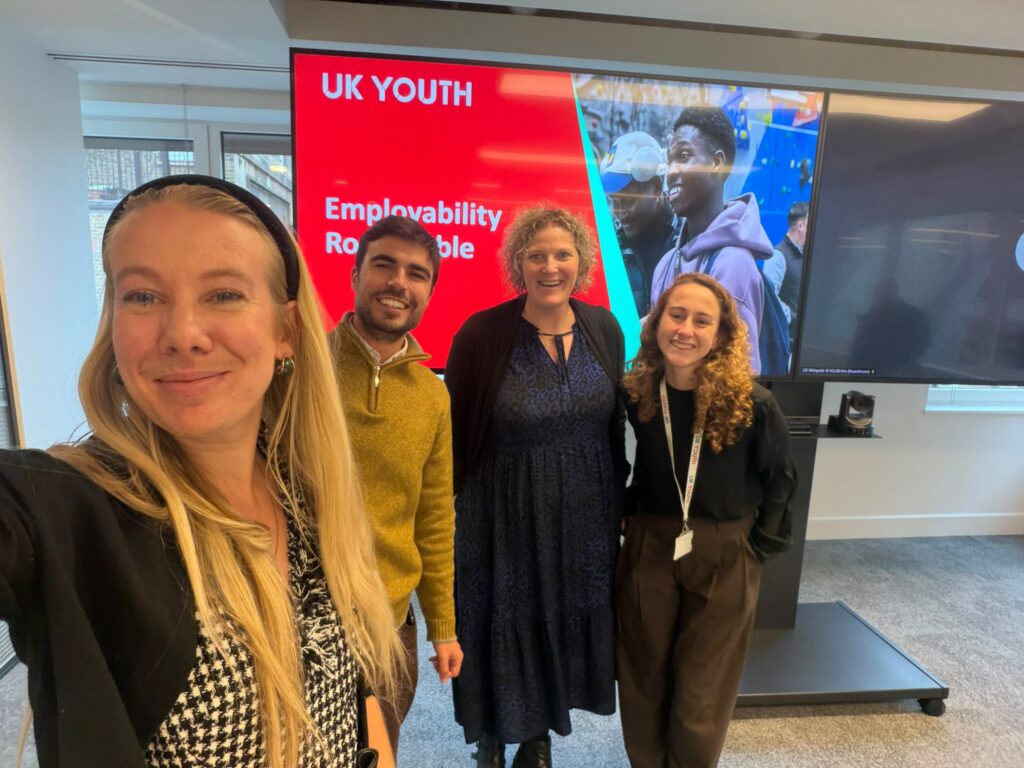
The Roundtable closed with a shared recognition that neither employers nor youth organisations can bridge the gap alone.
At UK Youth, we believe youth work has a vital role to play in helping young people build the confidence, skills, and relationships they need to succeed in life and work.
By bringing businesses, Government, and the youth sector together, we can move beyond simply preparing young people for the world of work and start creating a world of work that is ready for them.
UK Youth will be responding to the final Milburn Report on young people and work in the coming weeks.
To connect with us on our employability work, please email: partnerships@ukyouth.org
Many thanks to the organisations who joined the conversation and to our hosts Coca-Cola Europacific Partners:
- Confederation of British Industry (CBI)
- BusinessLDN
- OCS – Global Facilities Services Group
- Microsoft
- Burger King UK
- Department for Culture, Media and Sport
- Department for Work and Pensions
- BPP – Lyceum Education Group
- Business in the Community
- Sculpt UK
The post Bridging the gap between young people and opportunity: the role of youth work in employability appeared first on UK Youth.

