

Tucked within the sprawling Celtic Manor Resort, PAD sits inside the main hotel, just off the central hub of restaurants and bars. Once you know where you are heading it is straightforward, but first time visitors may wish to allow a little extra time. Signage within the resort could be clearer and it took us a few wrong turns before finally arriving at the restaurant entrance. That said, the sense of discovery almost adds to the anticipation.
For Lunar New Year, PAD looked every inch the occasion. The décor is sleek and sophisticated, yet the flashes of red truly popped against the darker tones of the dining room. Cherry blossoms and Chinese lanterns brought the cultural heritage to life, creating an atmosphere that felt immersive rather than themed. There was a lively buzz throughout the evening, tables filled with groups leaning in to share plates and conversation, while staff moved confidently through the room.

Service was attentive and intuitive. When they realised our table was wobbling, it was sorted straight away and without disruption, a small detail that spoke volumes.
Each diner was presented with a traditional red envelope on arrival, a thoughtful nod to Lunar New Year custom. Ours contained a voucher for a complimentary signature cocktail at PAD and a complimentary edamame beans nibble, a lovely touch that extended the celebration beyond the evening itself.
The £75 per person sharing menu marked a collaboration between resident chef Larkin Cen and Ping Coombes, both familiar names to viewers of MasterChef. Together, they curated a menu designed to symbolise abundance and prosperity.
To start
Salmon with nori and caviar opened the evening on a bright, elegant note. The salmon was melt in the mouth, lifted by fresh citrus that cut cleanly through its richness. The nori delivered a great crunch, creating a pleasing contrast in textures alongside the delicate pop of caviar.
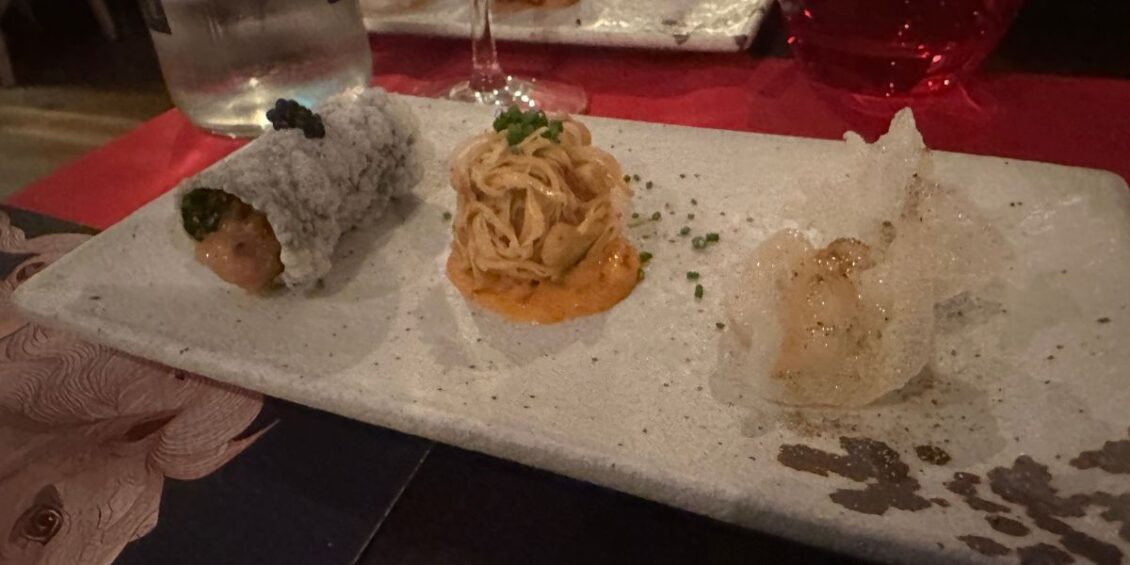
Prawn crackers with Szechuan crack were delicately thin with prawn layered on top. They shattered lightly before the Szechuan warmth unfolded. The spice enhanced the flavour rather than overwhelming the tastebuds, allowing the natural sweetness to remain centre stage.
Crispy pork and prawn balls with mala cream were our favourite from the starter selection. The pork was juicy and full of flavour, the prawn subtle yet present. The mala cream added a gentle kick without overpowering the rest of the dish. The crunch of the coating gave way to a soft, savoury centre, the contrast elevating every bite.
A table laden with abundance
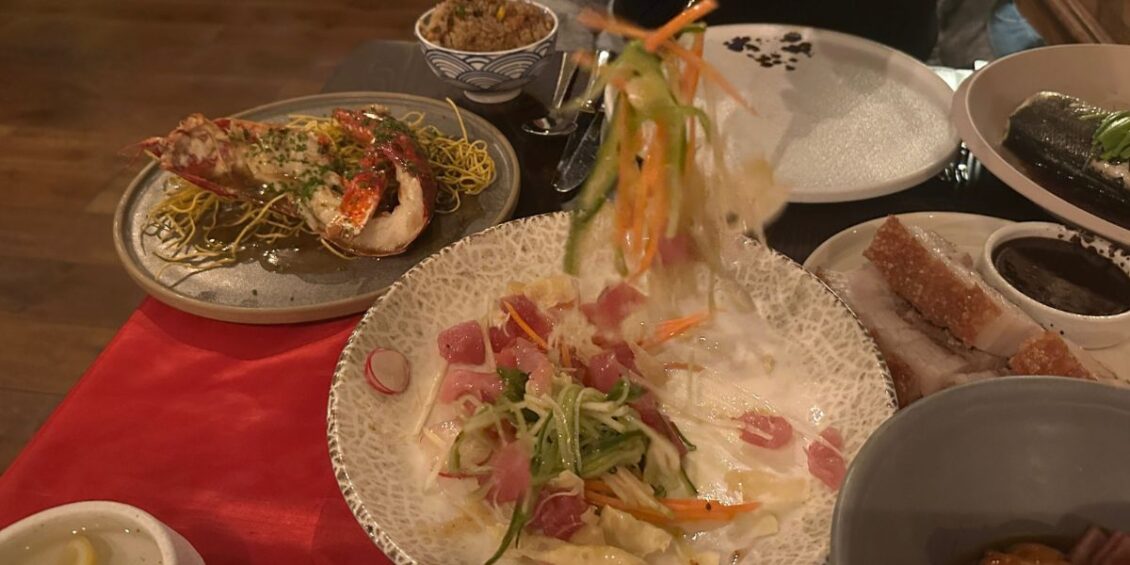
When the mains arrived, the table just about held the dishes. It was a true feast.
Tuna lou sang, the prosperity toss salad, was vibrant and light. With each mouthful came a new mixture of flavours and textures, one of the reasons it stood out. Ping took the time to explain the culture and tradition behind the dish, encouraging us to toss it with chopsticks as high as we could while making wishes for the year ahead. Traditionally eaten first, it symbolises good fortune and prosperity. In her words, it is both “auspicious and delicious”, a phrase that perfectly captured the balance of meaning and flavour on the plate.
Hot oil seared sea bass with soy dashi fell apart at the touch. The broth carried deep umami notes and the aromatic oil added warmth. Served with fresh lime, we would recommend giving it a squeeze over the top as it truly complements the dish and enhances the flavours. Diners should take care as the fish does contain small bones, though this is a minor consideration in an otherwise beautifully executed plate.
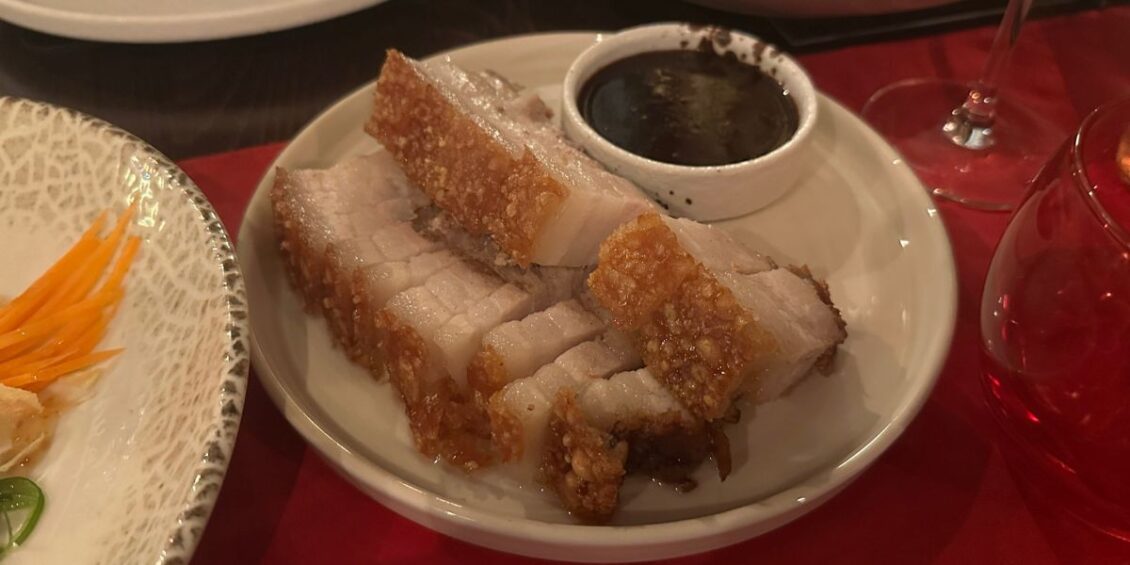
Hong Kong style crispy pork belly with truffle hoisin was soft and juicy with a perfect crunch from the crackling. It was not overly thick or difficult to eat, as can sometimes be the case elsewhere. The truffle added depth without masking the natural sweetness of the pork.
Sweet and sour chicken with pineapple and kiwi initially made us pause, unsure how the kiwi would work within the dish. In reality, it worked perfectly. The usual tang of the fruit was mellowed and it almost melted like butter on the tongue, blending seamlessly with the glossy sauce.
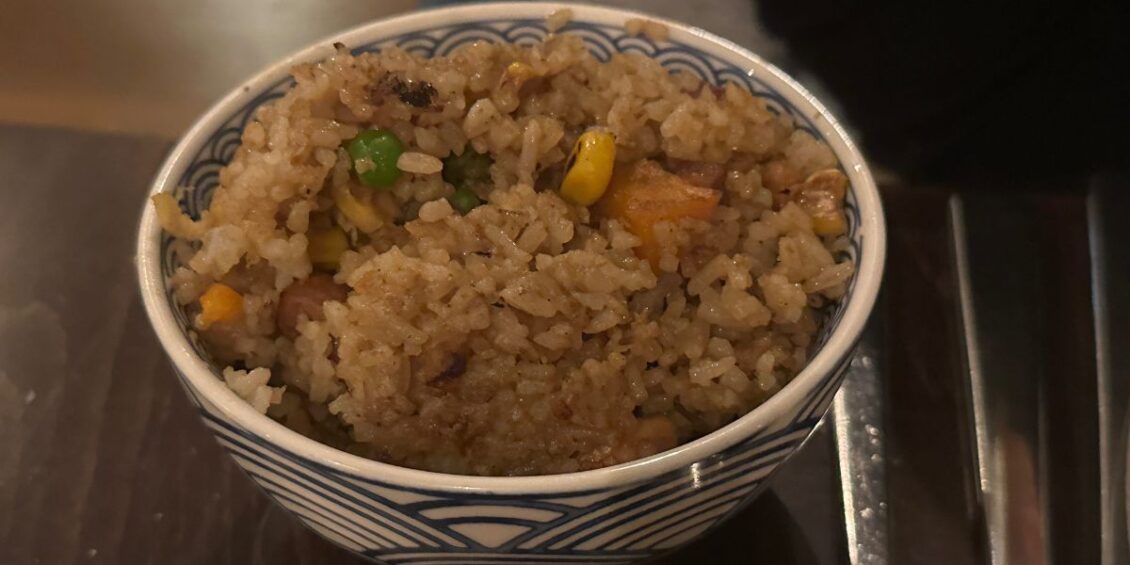
Lotus eight treasure fried rice with Szechuan chilli oil, alongside the sweet and sour chicken, made us think fondly of a classic Chinese takeaway. It was comforting and familiar, yet elevated with additional flavours and textures such as sweet potato and cashews. The grains were well separated, the chilli oil adding gentle warmth rather than aggressive heat. It proved a great accompaniment, tying the richer dishes together.
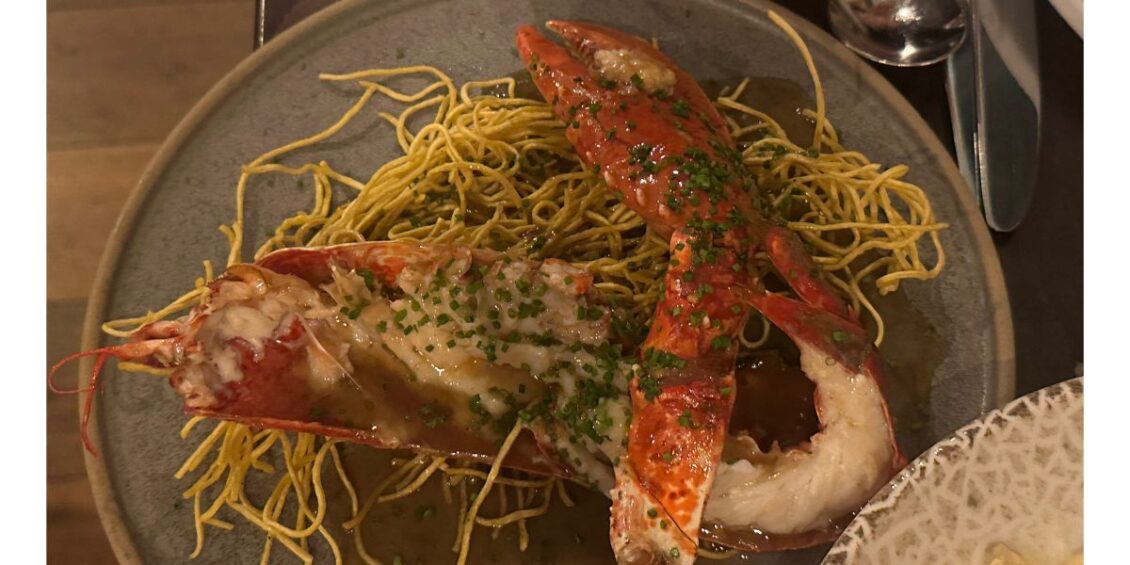
There was also the option to add a half lobster for a supplementary £25. Served with ginger, spring onion and crispy noodles, it was a dish that surprised us. Having not tried lobster before, expectations were uncertain. The meat was juicy and tender, with a subtle sweetness and clean, ocean freshness that was more delicate than expected, similar in texture to a firm white fish but with a slightly richer, almost creamy finish. The ginger brought aromatic warmth, the spring onion freshness, while the crisp noodles added texture. Together, the flavours complemented the lobster beautifully rather than overpowering it.
Buddha’s delight with white beancurd sauce was the dish we were most uncertain about, yet it provided welcome contrast. This traditional Cantonese plate is deeply umami, with some elements drier and others more succulent, all brought together by a silky sauce and a subtle hint of spice. Its absence of meat allowed the vegetables to shine and offset the richness of the rest of the spread.
Dessert that shouldn’t work… but does
We left just enough space for dessert: coconut sundae with sticky rice, mochi, mango, grass jelly and peanuts. In all honesty, it left us feeling very confused. It is a dish that, when you see it and read all of the ingredients, feels like it should not work… but it absolutely does.
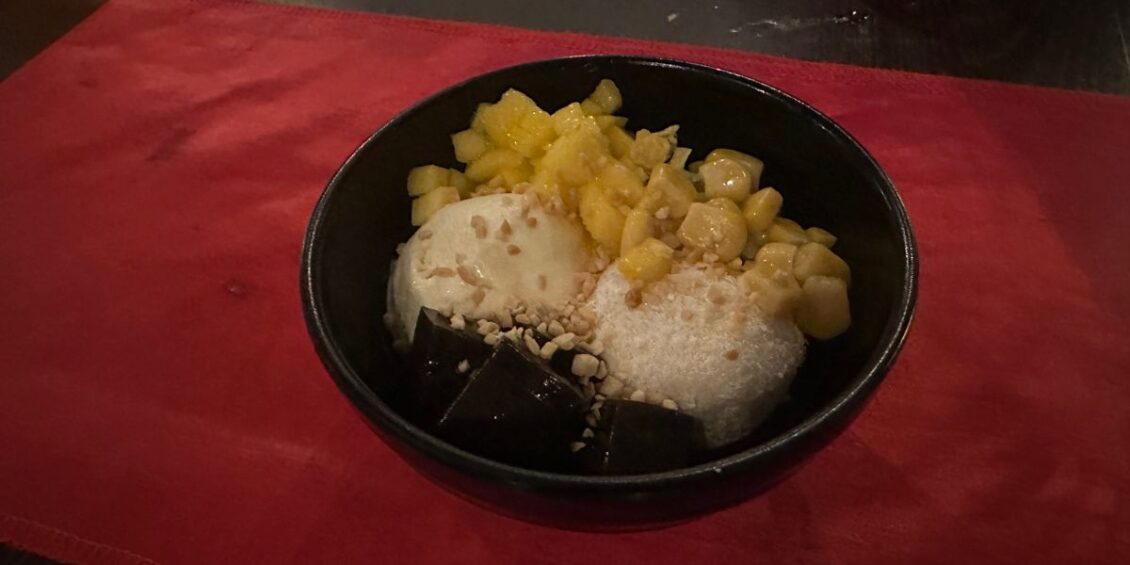
There is a beautiful blend of coconut, sweetcorn and grass jelly running through it. It felt like a dessert we perhaps should not be eating, yet we could not stop. The mochi slowly melted into the ice cream, adding chew and sweetness, while the sticky rice brought texture and weight. When you ate a little of everything together, it truly came into its own, each component balancing the next.
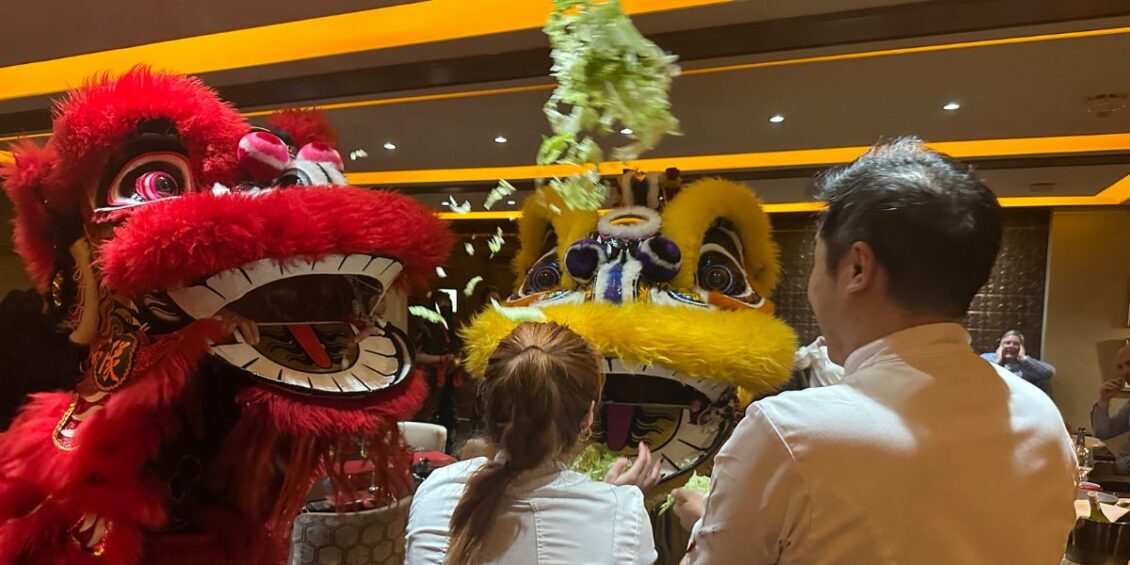
After dessert, the celebration continued. A vibrant performance featuring two Chinese dragons, one yellow and one red, moved through the restaurant to the rhythm of drums. Oranges and lettuce were tossed as part of the ritual. Ping was more than happy to explain that oranges symbolise wealth and good fortune, while lettuce represents prosperity. The act of tossing and sharing them is believed to spread luck for the year ahead.
For two nights only, PAD delivered more than a meal. It offered a lively, generous and culturally rich way to welcome the Lunar New Year within the heart of Celtic Manor Resort, blending atmosphere, storytelling and flavour into an experience that lingered long after the final course.
The post Review: Lunar New Year feast at PAD, Celtic Manor Resort appeared first on Wales 247.
