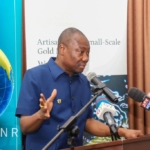
Anti-apartheid activist and former Director-General in the Presidency, Reverend Frank Chikane, says South Africa’s post-TRC process failed many victims of apartheid-era crimes.
Chikane was testifying before the Truth and Reconciliation Commission Cases Inquiry in Johannesburg on Tuesday.
The commission is probing allegations of political interference and deliberate delays in the investigation and prosecution of apartheid crimes.
Chikane told the inquiry that despite plea agreements and evidence emerging after the original TRC process, many leads were never pursued by authorities.
Chikane says one of his biggest frustrations is that information contained in plea agreements was never properly investigated by the prosecuting authorities. He adds that potential evidence linked to other apartheid-era crimes was effectively ignored.
“My pain, when you read my letter to the minister, is that the plea agreement gave more information about others when you read it. And I expected that the prosecution authority to pursue those cases based on that plea agreement. Nobody did anything about it.”
He also questioned whether the right officials were appointed to deal with sensitive post-TRC prosecutions, arguing that many failed to appreciate the experiences of victims and families.
“From my interaction with the relevant officials within the NPA, it is clear to me that the said officials are simply the wrong people to deal with post-TRC matters. My experience with them is that they will not be able to relate to victims of gross violation of human rights, or they are next of kin with the sensitivity that is required. In fact, they did not seem to understand the nature of the challenge we’re facing.”
Chikane also reflected on his own experiences as a victim of apartheid-era crime, detailing how apartheid operatives allegedly used toxic chemicals to try and assassinate him in 1989. Adding the attack formed part of a broader covert programme by the apartheid security establishment.
“The plan was I arrive in Namibia, sleepover, we woke up, five o’clock drive to the north and the calculation was that this chemical would hit me when I was there, there are no hospitals in the far north, far from hospitals, so I would die there nobody would have known me why I died there.”
Chikane’s testimony forms part of the commission’s broader investigation into whether apartheid-era prosecutions were deliberately obstructed after the TRC process concluded. The commission continues.
VIDEO | Reverend Frank Chikane’s testimony before the TRC Inquiry: