
Professor Richard Scolyer's wife Dr Katie Nicholl has shared an update on his health as he continues to battle brain cancer.
The acclaimed melanoma expert and former Australian of the Year was diagnosed with a grade four glioblastoma in 2023 and was given months to live.
He has defied the odds for years now but wife Nicholl today confessed that his journey is growing more difficult.
READ MORE: Officeworks to offshore jobs to India and Philippines in $15 million restructure
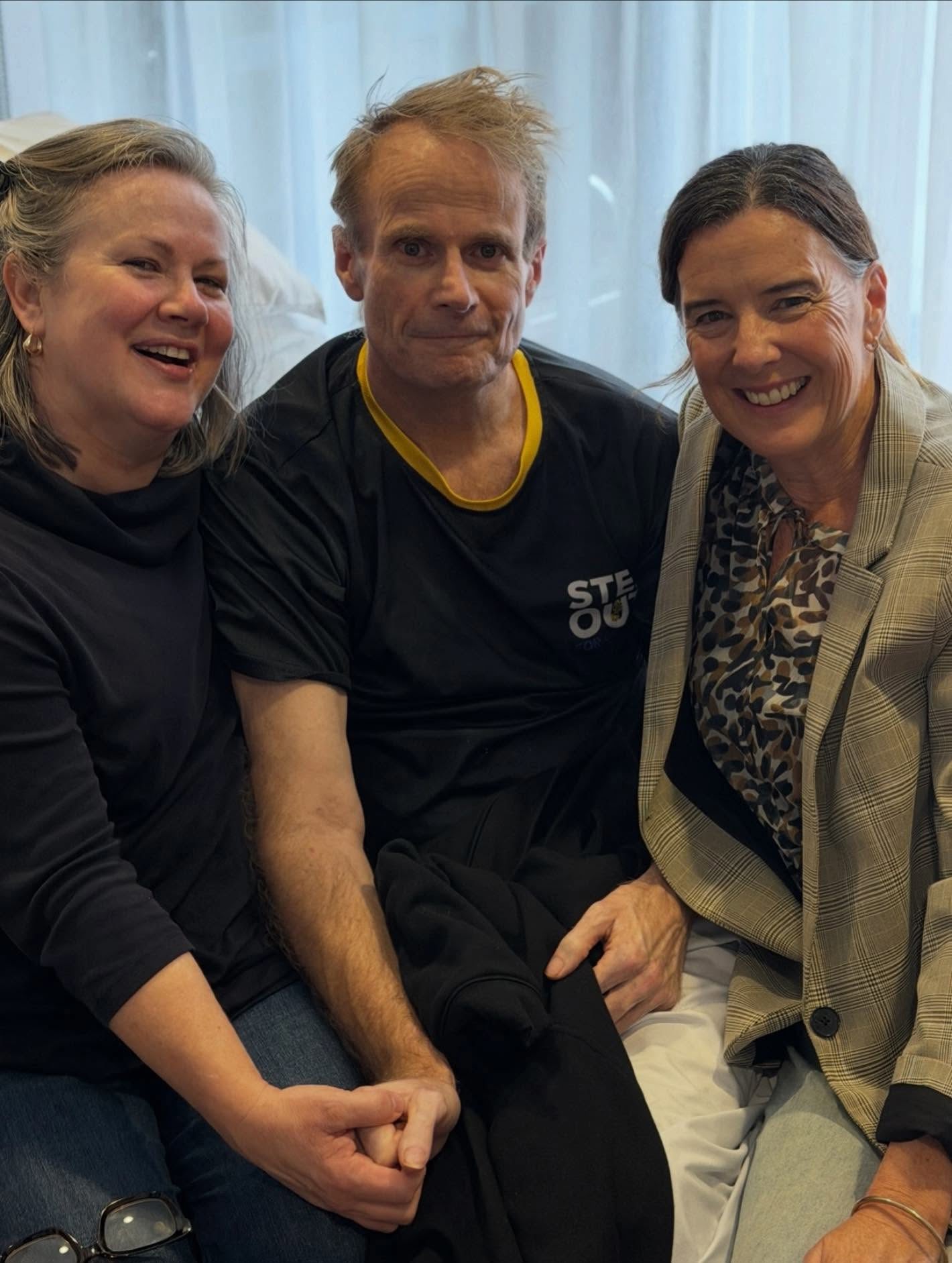
"Things are steadily getting harder for Rich, and time with family and friends continues to be so important for us all," she wrote on Scolyer's Instagram account.
"I know we're not alone in this journey and we appreciate everyone's continued love and support."
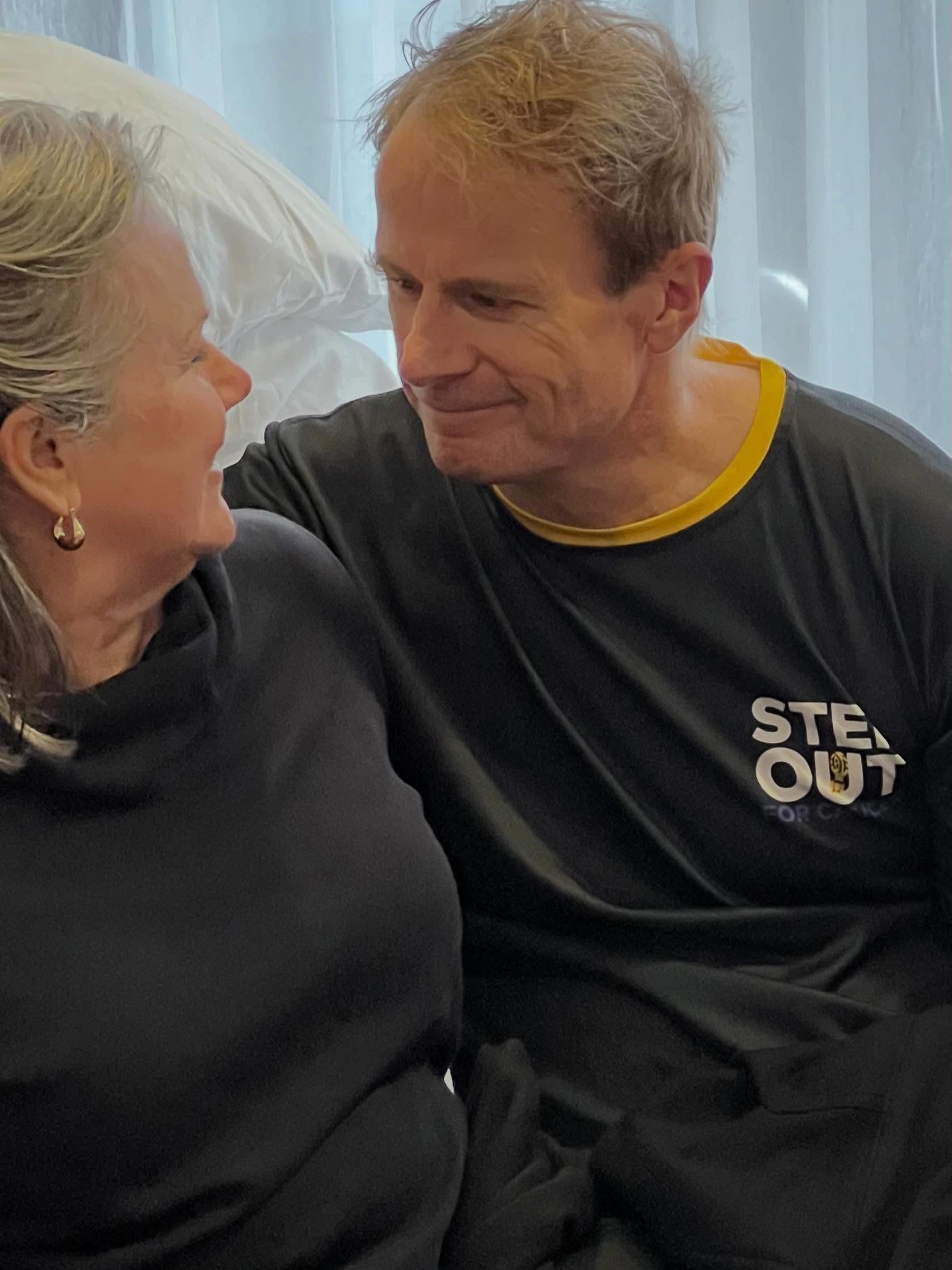
Nicholl signed off "Love Katie" and shared some recent photos of Scolyer smiling with friends and family.
The last picture showed him sharing a moment with his wife as they sat with their arms around one another.
Their daughter Emily Scolyer commented on the post, writing: "You and Dad are so strong! Love you Mum."
READ MORE: ACCC takes Amazon to court over children's backpacks
Nicholl's comments today echo an update Scolyer shared in late April, when he revealed his cancer journey was "getting a bit tougher".
"Particularly with my energy levels and some memory problems," he wrote on Instagram at the time.
"But I'm still enjoying good times with family and friends.
"I've asked my family to continue to share my journey, even when I'm not able to do it well myself at times.
"Thanks for all the ongoing love and support."
The last two posts shared to Scolyer's Instagram page prior to Nicholl's message today were signed off by her and Richard both.
Today marks one of the first authored by Nicholl alone.
READ MORE: WHO boss's plea to locals, rebels over Ebola outbreak
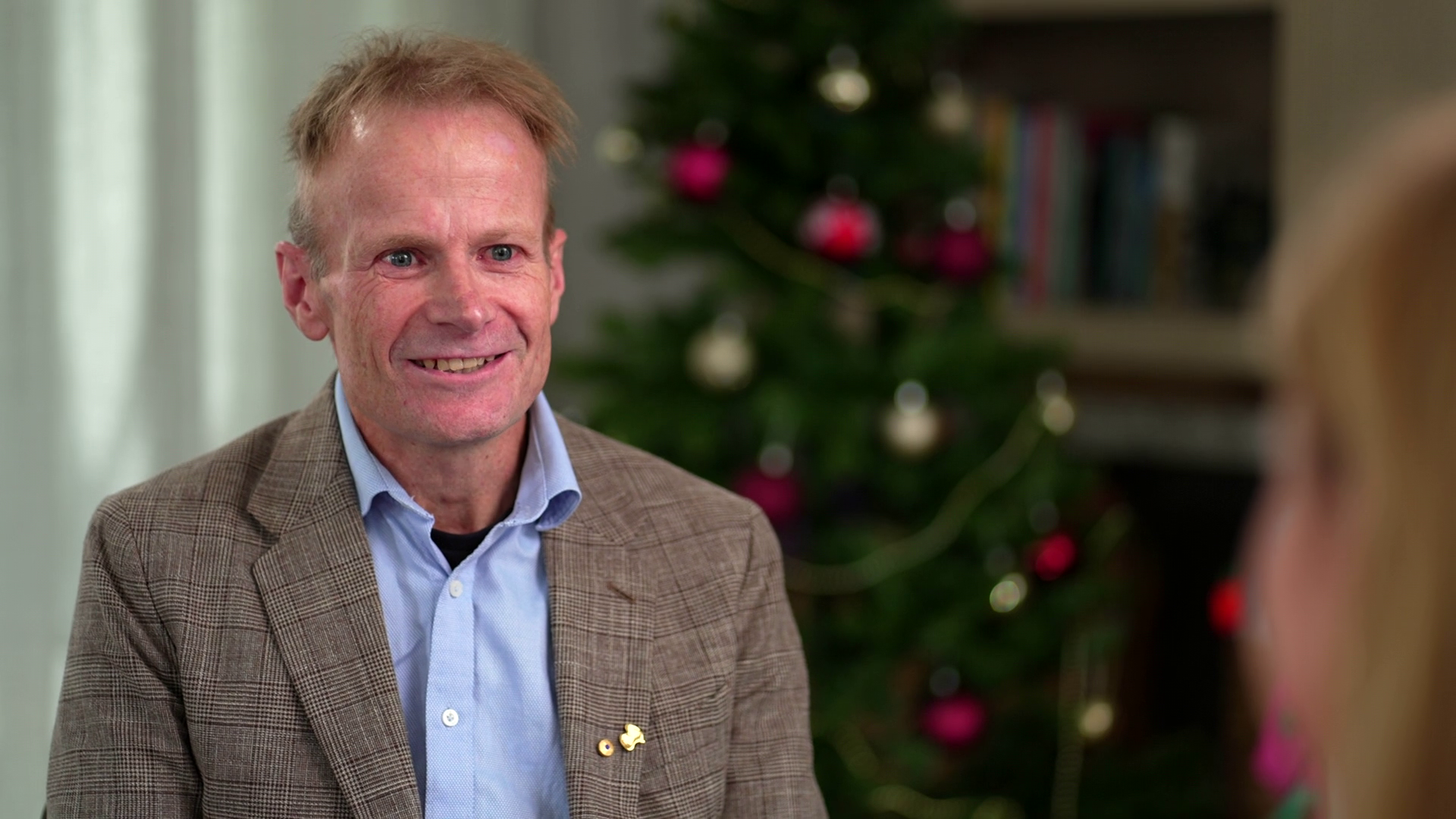
In September 2025, the federal government committed $5.9 million to establish the Richard Scolyer Chair in Brain Cancer Research at Chris O'Brien Lifehouse.
The program was named in Scolyer's honour due to his contribution to brain cancer research and advocacy.
The funding will be used to support the salaries of the professorial chair as well as postdoctoral fellows, research assistants and PhD scholarships, along with research costs.