
The Madame Tussauds that we explore in present-day London, with its smiling stars and artfully crafted, shiny sets, is a far cry from its dark beginnings with death masks, true crime links and royal scandals. Which we think just makes it all the more fascinating.
In fact, the legacy of the storied attraction does not just belong to London but the entire UK, as creator Marie Tussaud built her notoriety by touring her curious collection of wax models across the British Isles, stopping off at Bristol, Liverpool, Manchester, Birmingham and many more. We delved into this intriguing past, and here’s what we discovered…
The Early Years
Born Marie Grosholtz in 1761 in Strasbourg, Madame Tussaud learned the art of wax sculpture from a local physician, Philippe Curtius, and created her first full-figure sculpture at 17. She later moved to Paris, where her prodigious talents caught the attention of the French royal family, who employed her as an art tutor for Madame Élisabeth, the sister of King Louis XVI.
What appeared to be her dream job, living among opulence and royalty, soon turned into a nightmare when the French Revolution erupted, and she was arrested as a sympathiser; her head was even shaved in preparation for the guillotine. But ultimately, her wax sculpting talents saved her life. The revolutionaries released her on the condition that she create death masks of their most famous victims, many of whom were her former friends and employers. So, yes, a pretty grisly task.
Post revolution, her mentor, Dr Curtius, passed away and left his entire waxwork exhibition to Marie. So, after a dead-end marriage where she got her new last name, Tussaud, and gave birth to three children, the business-savvy sculptor made the radical decision to pack up her wax collection – an unusual assortment of gruesome death masks, politicians and royal figures – and leave her husband behind to seek fortune overseas in the British Isles with her son Joseph in tow. This is where her 33-year tour began.
The Start of the UK Tour
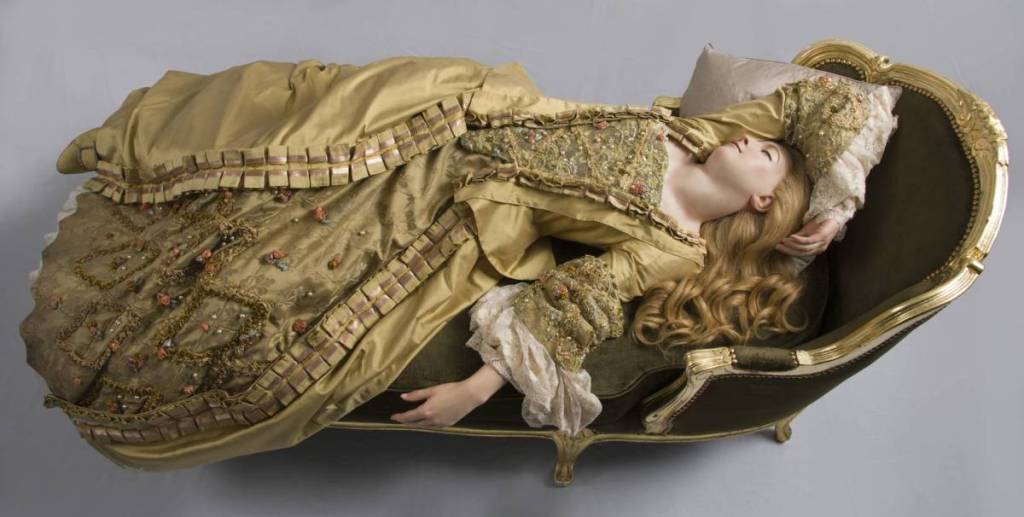
Once she landed on UK soil, Marie Tussaud tried her luck in London, presenting her very first exhibition at the Lyceum Theatre following an invitation from popular illusionist Paul de Philipstal. The debut wasn’t the success she had hoped for, with Philipstal taking a large portion of profits, so she decided to switch things up and head up north to Scotland.
Edinburgh was her first stop. She quickly discovered where Londoners had seen their fair share of oddities; her shudder-inducing collection of death masks was considered more of a must-see in this city and again in Glasgow, drawing curious crowds and garnering the necessary finances to break ties with Philipstal and go at things independently.
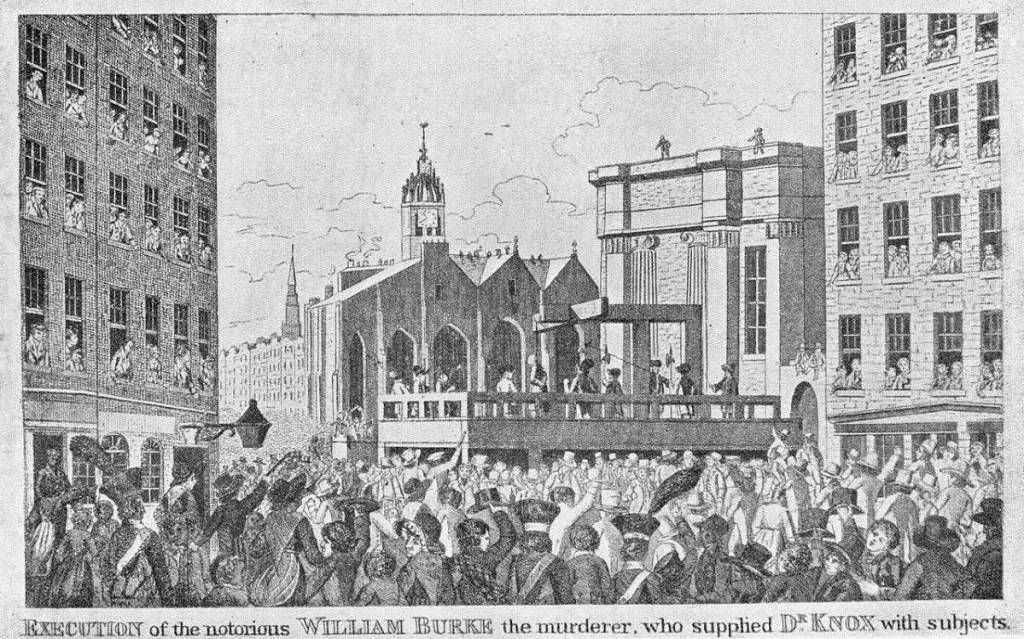
The Scottish city also later shone a light on the lucrative nature of true crime in 1829. This is when she capitalised on the public’s morbid fascination with body snatchers Burke and Hare and created her own waxwork replicas of the pair. However, it was Liverpool who actually got to lay eyes on these macabre works first. She was stationed in the Northern port city at the time, so she sent her son to Edinburgh to get a cast of Burke’s face after his public hanging and return it to his mother. She had the completed waxwork on display in Liverpool within weeks of the infamous murderer’s death.
An Eventful Decade
Tussauds spent the next three decades on the move, navigating the bumpy 19th-century roads of Britain and presenting visitors with a unique fusion of art, history and horror separated into two distinctive experiences – red-velvet glamour and goosebump-inducing gruesomeness. While the main exhibition catered to high society with an immersive collection of famous politicians, royalty, celebrities and historical relics, there was a separate room that would tempt your morbid curiosity, for an extra fee, of course.
The latter, named ‘Chamber of Horrors’ by Punch magazine, was where she displayed the death masks she was forced to create, featuring the likes of King Louis XVI and Marie Antoinette, as well as a bloodstained guillotine blade and often waxworks of local, recently-hanged killers from the area she was visiting. Ever the trend-conscious businesswoman.
Tussauds would also no doubt excel at tabloid-fuelled marketing in the modern world. In 1820, she arrived in Manchester around the time that the country was ablaze with the scandalous adultery trial of Queen Caroline. Not one to miss out on an opportunity, Marie created a brand-new waxwork of the Queen’s rumoured Italian lover, Bartolomeo Bergami, with the controversial move unsurprisingly garnering a big response from the Manchester crowds.
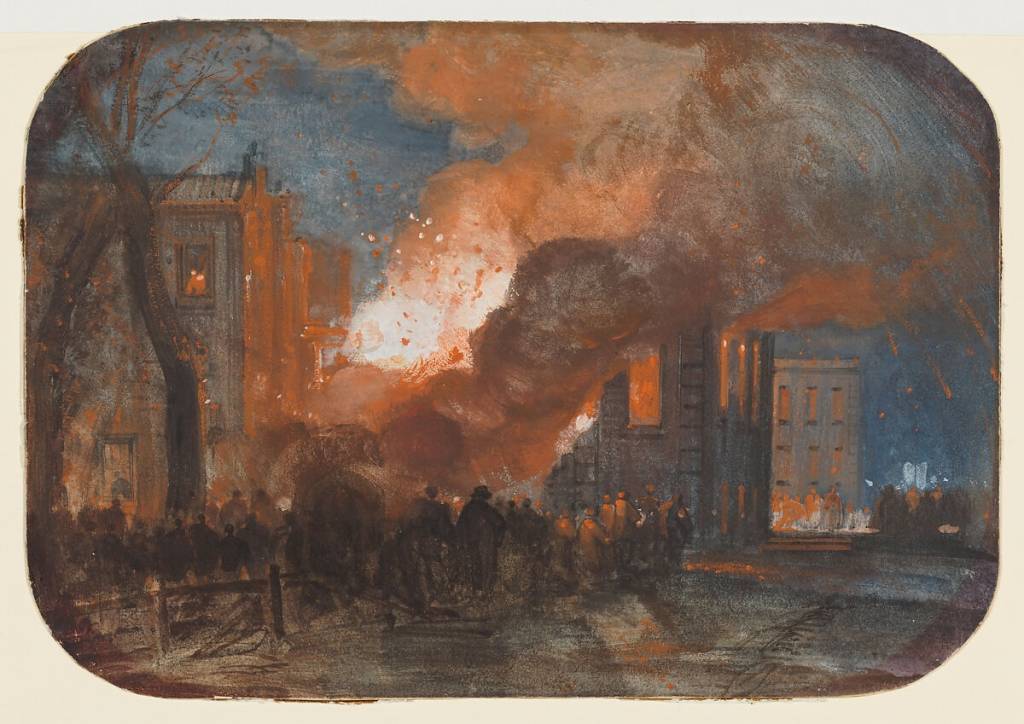
Of course, all businesses go through a rough patch, and the story of Madame Tussauds became one of survival when she visited Bristol in 1831. The exhibition was caught in the crossfire when the destructive Bristol Riots broke out following the rejection of the Second Reform Bill, with widespread arson resulting in her vulnerable collection almost being burnt to ash.
There is even a painting from an English landscape artist named William James Müller, who captured the chaos and depicted Madame Tussaud’s wax figures being carried hurriedly away from the wild flames. Thanks to their hasty escape, her waxwork legacy was preserved.
Creating a Connection
When she wasn’t fleeing fires, Madame Tussaud’s travelling roadshow was wowing crowds in an era before photography and mass media. Her waxworks were a window into the world of the powerful and famous for ordinary working-class people who had no idea what they looked like.
In expanding cities in the Midlands and up North, including Birmingham and Leeds, she would hire out town halls to deliver her unique spectacle, revealing the faces of the French Revolution and more to the masses. She would also use the current ‘tech’ of the time to conjure up crowd-pleasing theatrics, including mastering gas lighting to create atmospheric shadows over her more macabre figures. Is this where the haunting torch-under-the-chin method came from?
The long tour came to an end in 1835. Marie Tussaud was 74 years old and finally ready to put down roots in London. She signed a lease for the upper floor of Baker Street Bazaar, a former horse and carriage warehouse, where she could let her own touring carts gather dust and set up her figures on a more permanent basis. However, there was one last move on the cards. Tussauds passed away in 1850 at the age of 88, leaving the thriving exhibition to her sons, who continued the family business and passed it down through generations. It was in 1884 that the exhibition finally found the home where it still stands today, over a century later, on Marylebone Road.
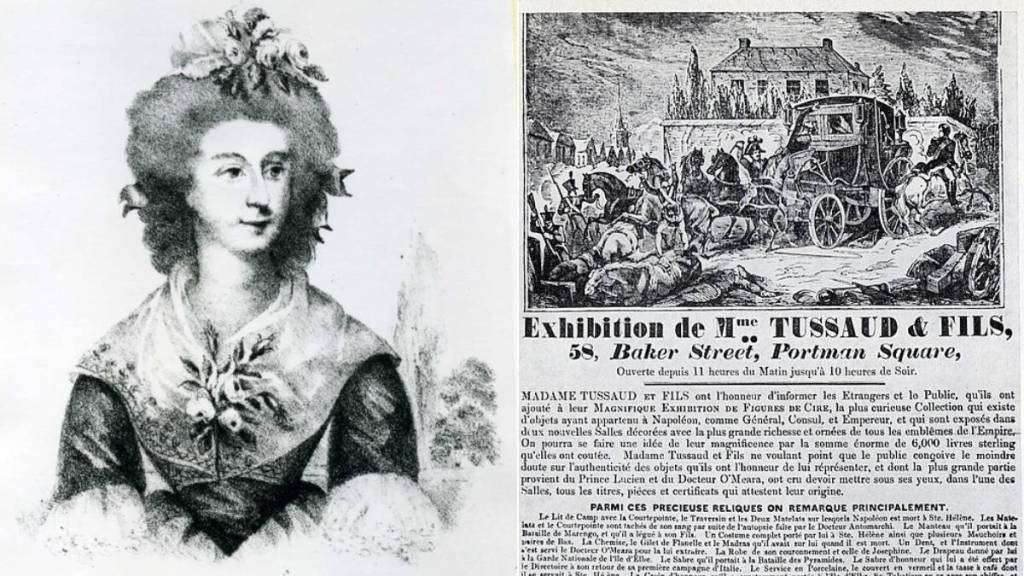
You can now put a face to the legacy and discover the world-famous result of decades of gruelling work by heading over to Madame Tussauds London. The museum is home to a waxwork of Marie Tussaud herself and a selection of some of her first-ever creations from the early 18th Century.
Book your tickets for Madame Tussauds London now to experience a fascinating journey through history, cinema, music and more.
The post The curious history of Madame Tussauds – here’s how Bristol played a role in building the waxwork museum’s iconic empire appeared first on Secret Bristol.