
In recent years, work-life balance has been a major factor influencing where people choose to live. Professionals are increasingly prioritizing shorter commutes, access to green space, and manageable living costs alongside career opportunities. Understanding the cost to live in America’s best cities for work-life balance shows how different regions balance affordability and quality of life in today’s labor market.
Here are 10 cities offering options for workers seeking both career growth and personal well-being, based on CoworkingCafe’s work-life balance report.
The Twin Cities Lead the Rankings
Minneapolis, MN
Minneapolis consistently ranks among the best cities in the country for lifestyle balance. With an average commute of just 22.5 minutes and a remote work participation rate above 23%, residents enjoy both flexibility and convenience.
Housing costs remain manageable compared to many large metropolitan areas.
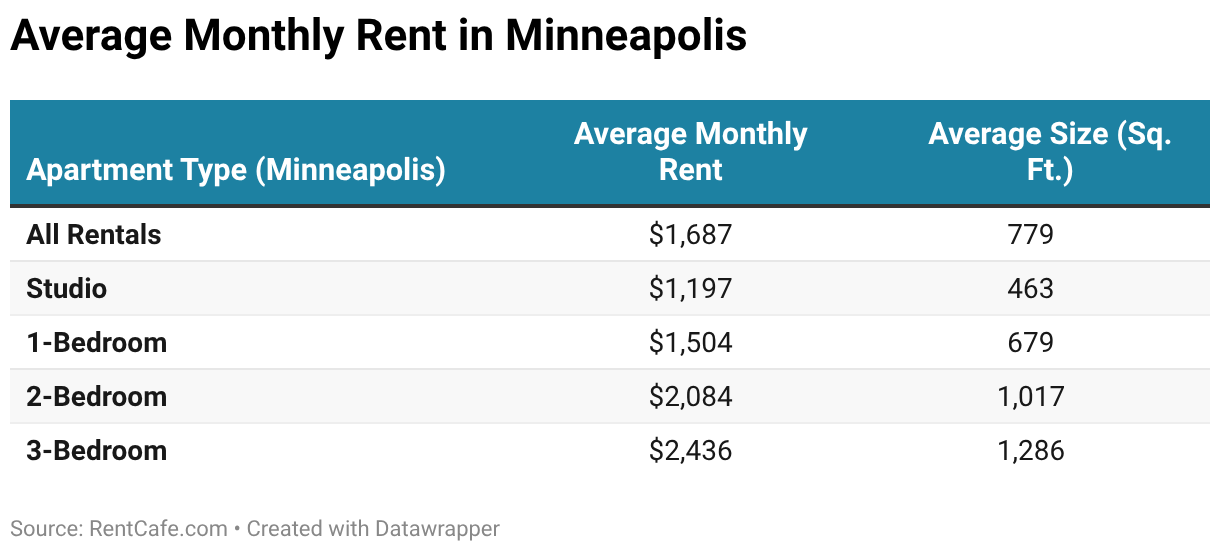
With an average rent of $1,687 per month, prices vary widely by neighborhood.
- North Loop: $2,090
- Downtown: $1,990
- Wenoah: $969
- Stevens Square-Loring Heights: $1,104
Beyond rent, the “real” cost of living in Minneapolis is mitigated by a 7% lower national average for healthcare and 4% lower costs for general goods and services. Residents also benefit from roughly 11.7 acres of green space per 1,000 people, reducing the need for paid recreational alternatives.
St. Paul, MN
St. Paul ranks just behind Minneapolis, offering similar infrastructure advantages but with slightly lower housing costs. With an average rent of $1,515 per month, half of all apartments fall between $1,001 and $1,500, creating a healthy middle-market rental environment.
Popular neighbourhoods include:
- West Side St. Paul: $1,911
- West Seventh: $1,770
- Downtown St. Paul: $1,606
- Hamline Midway: $1,142
St. Paul also boasts 16 acres of green space per 1,000 residents and one of the highest densities of recreational amenities in the country.
Midwestern Cities Offer Exceptional Value
Omaha, NE
Omaha ranks third thanks to its extremely manageable average commute time and affordable housing market. With a commute time of only 19.6 minutes and 20.9 acres of green space per 1,000 people, the city provides a spacious, low-stress environment for a workforce that is increasingly mobile. The cost of living in Omaha is 9% lower than the national average, and housing is 18% cheaper than the U.S. baseline.

Utilities are also significantly cheaper, averaging $154 per month, and transportation costs in Omaha are 7% lower than the national average, a reflection of both low fuel prices and the absence of high-density traffic tolls or fees. These factors make Omaha one of the most affordable high-quality lifestyle cities in the country.
Lincoln, NE
Lincoln provides the shortest average commute time of all top-ranked cities at just 18.3 minutes. Despite a lower remote work percentage (10%), the time-cost of labor is minimized due to the efficiency of its physical infrastructure.
Lincoln’s rental market is exceptionally accessible. The average rent is $1,335 per month, and 59% of apartments are priced between $1,001 and $1,500. This concentration of middle-market housing is rare in 2026 and provides a high level of social mobility for workers in the education and government sectors.
Neighborhood rents vary considerably:
- Downtown Lincoln: $1,996
- Far South Lincoln: $1,471
- Highlands: $1,358
- Belmont: $1,053
Nebraska’s overall fiscal policy is also becoming more favorable; for the 2026 tax year, the top income tax rate of 4.55% is set to drop to 3.99% by 2027, making it a highly attractive destination for long-term wealth accumulation.
Growing Tech Hubs Offering Lifestyle Advantages
Raleigh, NC
Raleigh features a 23.4-minute commute and a high remote work rate of 23.4%, allowing for a flexible labor environment. With 22.3 acres of green space per 1,000 residents, the city provides the outdoor amenities demanded by a high-skilled tech workforce.
The cost of living in Raleigh is slightly more complex. While rent averages approximately $1,574, the city has seen a rebalance in 2026 with inventory levels rising 20% above the previous year, providing more choices for consumers and reducing bidding wars.
Raleigh’s energy costs average $175.68, and groceries are generally cheaper than in coastal peers. The move to a 3.99% flat income tax in 2026 is a significant driver of disposable income for Raleigh’s professional class, essentially functioning as a raise for those relocating from higher-tax states like New York or California.
Boise, ID
Boise offers a 19.1-minute commute and a high quality of life anchored by the surrounding Idaho wilderness. However, the city has faced significant housing inflation, with housing costs currently 19% higher than the Idaho state average. The average monthly rent of $1,670 reflects a market that has surged in value over the last five years.
While utilities are 24% lower than the national average, transportation and general goods are 8% higher than the national norm. This “mountain-west premium” is driven by the logistical costs of importing goods to the region, though many residents find the trade-off worthwhile for the 18.3 acres of green space per 1,000 residents.
Coastal Cities with Unique Advantages
Irvine, CA
Irvine is the highest-cost city on the list, yet it maintains its rank through exceptional scores in remote work and green space. The city’s median household income is $129,647, which is necessary to offset a cost of living that is 43% higher than the national average.
Most apartments fall in the luxury category, with an average rent of $3,296 and over 60% renting above $3,000 per month. This pricing creates a high barrier to entry, but the amenities remain unmatched.
A single person can expect to spend $413 on food and $229 on energy monthly. Transportation costs are also 35% above the national average. Additionally, California income tax is highly progressive, ranging from 1% to 13.3%.
Chesapeake, VA
Chesapeake offers nearly 230 acres of green space per 1,000 residents, far more than most urban areas. The 25.5-minute commute is often viewed as a trade-off for the privacy and space the city affords.
Chesapeake’s cost of living is a manageable 4% below the national average. The average monthly rent of $1,768 is sustainable for the median household income of $94,189.

50% of the rental market falls between $1,501 and $2,000, while monthly utilities average $226.91, and grocery items are significantly cheaper than in the California or Minnesota markets. Virginia’s top income tax rate of 5.75% is moderate, and the combined sales tax rate of 5.77% in Chesapeake is among the lowest.
University Cities That Support Balanced Living
Lexington, KY
Lexington is one of the most affordable cities for work-life balance, with a rental market that is 24% lower than the national average. The average monthly rent of $1,351 is highly accessible for the median income of $75,818.
Despite utility and transportation costs being below the national average, food costs are 1% higher than average. A recent development residents should take into account is the Fayette County School Board’s decision to increase the Occupational License Tax from 0.5% to 0.75% to address budget deficits.
Madison, WI
The cost of living in Madison is 7% higher than the national average for housing, with an average rent of $1,810. The market is described as “disciplined” and a seller’s market, with interest rates stabilizing around 5.69% for VA loans and 6% for conventional ones.
While housing is expensive, food is 1% cheaper than the national average. The city provides a high degree of outdoor utility. Wisconsin’s top income tax rate of 7.65% is significant, but the city’s median income ($76,983) and lower-than-average sales tax (5.5%) create a stable environment for its professional and academic workforce.
Choosing the Right City for Your Lifestyle
Ultimately, the cost to live in America’s best cities for work-life balance depends heavily on personal income, lifestyle preferences, and career opportunities. For some, cities like Irvine offer unmatched amenities despite higher prices. For others, Midwestern cities such as Omaha or Lincoln provide a more sustainable balance between earnings and expenses.
As housing markets stabilize and remote work expands, more Americans have the opportunity to choose where they live based on the lifestyle they want to build.
Thinking about relocating for a better work-life balance? Start your search with Zoocasa today.
The post How Much Does It Cost to Live in America’s Best Cities for Work-Life Balance appeared first on Zoocasa Blog.